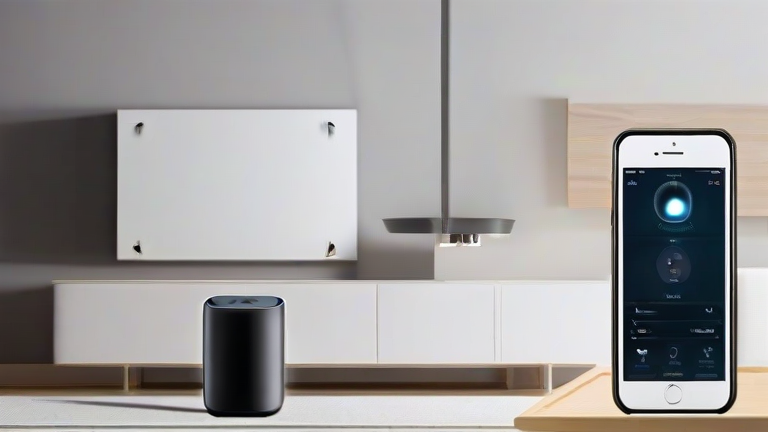
Top 5 Best Smart Home Hubs for Apple HomeKit
TL;DR: The Apple TV 4K and HomePod remain the most robust native hubs for seamless HomeKit integration, offering superior automation processing and local control capabilities. For users seeking multi-ecosystem compatibility, the Samsung SmartThings Station and Aqara M3 provide excellent bridging solutions while maintaining high-speed connectivity for modern smart devices.
The smart home landscape has evolved significantly, moving from simple connectivity to complex, AI-driven ecosystems. For Apple users, choosing the right hub is critical for ensuring low-latency responses and reliable local processing. The latest developments in 2024 emphasize edge computing, where hubs process data locally rather than relying solely on the cloud, enhancing privacy and speed. This shift is particularly evident in how major manufacturers are refining their firmware to support Matter 1.4, ensuring broader device compatibility without sacrificing performance.
If you want to dig deeper, check out our guide on DeFi vs. Banks: Do Decentralized Finance Platforms Rival Tra.
The Apple TV 4K (3rd generation) stands out as the gold standard for pure HomeKit users. Its A15 Bionic chip handles complex automations with ease, and its Thread radio provides a stable backbone for low-power devices. Similarly, the HomePod Mini and standard HomePod serve as excellent secondary hubs, particularly for voice-controlled environments. Their integration with Siri’s advanced on-device intelligence allows for nuanced commands that older models simply cannot process. These devices excel in creating a cohesive audio and visual smart home experience, leveraging Apple’s tight ecosystem control.
However, not all users are strictly committed to the Apple ecosystem. The Samsung SmartThings Station offers a compelling alternative for hybrid setups. It supports Matter, Thread, and Zigbee, allowing it to bridge non-Apple devices into the HomeKit environment via the SmartThings app. This flexibility is crucial for households with a mix of brands. The Aqara M3 Hub is another top contender, renowned for its extensive Zigbee support and high-speed USB-C connectivity. It is particularly popular among enthusiasts who want to automate lighting and security systems with minimal latency. Industry impact is clear: these hubs are pushing the market toward interoperability, reducing vendor lock-in and encouraging standardized protocols.
When selecting a hub, consider your specific network infrastructure. If you have a large number of Zigbee sensors, the Aqara M3 may outperform others in range and stability. Conversely, if you rely heavily on Siri and Apple Watch integrations, the Apple TV 4K remains unmatched in responsiveness. The future of smart homes lies in these hybrid-capable devices that prioritize local processing and open standards. By choosing the right hub, you ensure that your smart home remains responsive, secure, and future-proof against technological shifts. The convergence of Matter and Thread technologies is making these devices more versatile than ever before, creating a truly seamless user experience across different brands and platforms.
FAQ
Q: Does a HomeKit hub require an internet connection to work?
A: No, many HomeKit automations and device controls work locally without an internet connection, provided the hub and devices support local processing protocols like Thread or Zigbee.
Q: Can I use multiple hubs in one home?
A: Yes, you can use multiple hubs, but it is recommended to designate one as the primary hub to avoid conflicts in automation triggers and device management across the Home app.
Q: Which hub is best for Zigbee devices?
A: The Aqara M3 Hub is generally considered the best for Zigbee devices due to its dedicated radio, wide range, and extensive compatibility with third-party Zigbee sensors and switches.