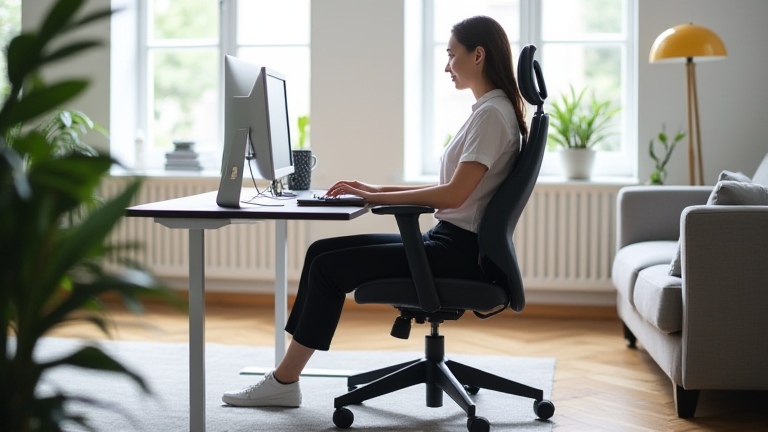
TL;DR: To choose the best ergonomic office chair for back pain relief, prioritize adjustable lumbar support, seat depth, and breathable materials that promote proper spinal alignment throughout the workday.
How to Choose the Best Ergonomic Office Chair for Back Pain Relief
If you want to dig deeper, check out our guide on Why 2-3 Days Is My Happy Spot for Travel.
Spending eight or more hours a day sitting in a poorly designed chair is a surefire way to invite chronic lower back pain, neck stiffness, and poor posture into your life. For many remote workers and office employees, the quest for comfort is not just about luxury; it is about physical health and long-term mobility. Finding the right ergonomic chair can significantly reduce strain on your spine, but with countless options on the market, the decision can feel overwhelming. This guide breaks down the essential features you need to look for to ensure your new chair provides the therapeutic support your body craves.
Key Features for Spinal Health
The most critical component of any ergonomic chair is adjustable lumbar support. This feature allows you to position the support curve exactly where your lower back needs it most, maintaining the natural inward curve of your spine. Look for chairs that offer both height and depth adjustment for this support, as every individual’s anatomy is unique. Additionally, seat depth is often overlooked but vital. If the seat is too deep, it can push against the back of your knees, cutting off circulation. If it is too shallow, you may slide forward, losing proper back contact. An ideal chair allows you to sit with your back fully against the lumbar support while keeping a two-finger gap between the seat edge and your knees.
Comparing Materials and Mechanisms
When comparing materials, mesh backs generally offer superior breathability compared to padded fabric or leather, which can trap heat and cause discomfort during long sessions. However, high-density foam seats often provide better initial comfort and pressure distribution. In terms of mechanisms, a synchro-tilt function is superior to a simple tilt lock. This mechanism moves the seat and backrest in a coordinated ratio, allowing you to recline while keeping your feet flat on the floor, which reduces disc pressure. While premium brands like Herman Miller or Steelcase dominate the high-end market with five-year warranties and exceptional build quality, mid-range options from Branch or Autonomous offer competitive features at a lower price point. Always check for a weight limit that exceeds your own weight to ensure durability and safety.
Make the Investment
Investing in a high-quality ergonomic chair is an investment in your health and productivity. Do not settle for temporary fixes when a proper solution is available. Visit our curated list of top-rated chairs today and find the perfect match for your workspace. Click here to shop the best ergonomic office chairs for back pain relief now and transform your workday experience.
FAQ
Q: How often should I replace my office chair?
A: Most ergonomic chairs last between 7 to 12 years, but you should replace it sooner if the hydraulic lift fails, the cushioning loses its shape, or the adjustments no longer function smoothly.
Q: Is a mesh back better than a cushioned back for back pain?
A: Mesh backs are generally better for temperature regulation and promoting airflow, which can reduce discomfort during long hours, but cushioned backs often provide better contouring and pressure relief for specific spinal issues.
Q: Can an ergonomic chair completely cure my back pain?
A: While an ergonomic chair significantly reduces strain and prevents pain from worsening, it is not a medical cure. It works best when combined with regular stretching, proper posture awareness, and breaks from sitting.