Remote Work Shifts to Hybrid Mandates: What Employers Need to Know
The landscape of modern employment has undergone a seismic shift. For years, the promise of total remote work was a major selling point for top talent. However, as companies stabilize post-pandemic, a new reality is emerging: the hybrid mandate. Employers are no longer asking if they should return to the office, but rather how to structure a hybrid model that balances operational efficiency with employee satisfaction. This transition is not merely logistical; it is cultural. Companies that fail to adapt risk losing their best people to more flexible competitors. The key lies in understanding that hybrid work is not a compromise, but a strategic advantage when implemented correctly.
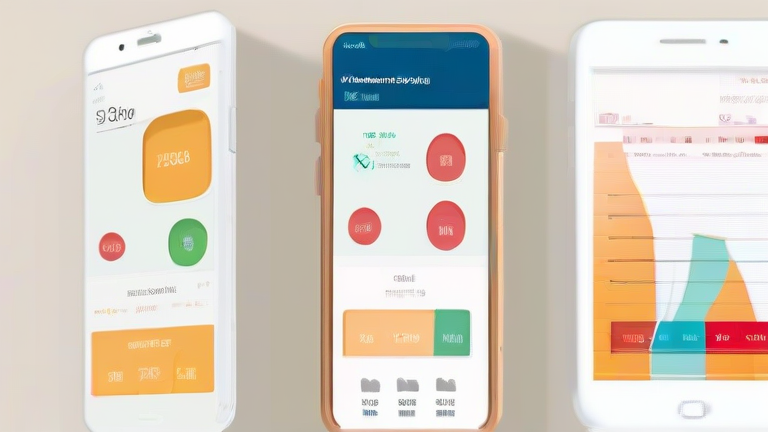
To navigate this complex transition, employers must leverage robust collaboration platforms. The market is saturated with tools, but not all are created equal. Leading solutions now offer seamless integration between physical and digital workspaces. These platforms provide features like real-time presence indicators, smart scheduling, and integrated video conferencing that mimic the spontaneity of an in-office environment. For instance, advanced desk-booking systems allow employees to reserve specific workstations based on their daily needs, ensuring that office space is utilized efficiently rather than sitting idle. This level of granularity is crucial for maintaining transparency and trust between management and staff.
If you want to dig deeper, check out our guide on AI-Driven Threat Defense: The Future of Cybersecurity.

When comparing legacy communication tools with modern hybrid-specific platforms, the difference in user experience is stark. Older systems often require multiple logins and disjointed interfaces, leading to “Zoom fatigue” and administrative overhead. In contrast, next-generation solutions centralize communication, project management, and resource allocation into a single dashboard. This consolidation reduces cognitive load for employees, allowing them to focus on high-value tasks rather than navigating complex software ecosystems. Furthermore, data analytics features in these tools provide employers with insights into workplace utilization patterns, enabling data-driven decisions about office layout and attendance policies. This comparative advantage highlights the importance of investing in technology that supports, rather than hinders, the hybrid workflow.
Ultimately, the success of a hybrid mandate depends on clear communication and consistent application of policies. Employers must define expectations regarding core hours, in-office days, and communication protocols. Ambiguity breeds resentment and




 GLP-1 Drugs Expand Beyond Weight Loss: New Benefits Revealed