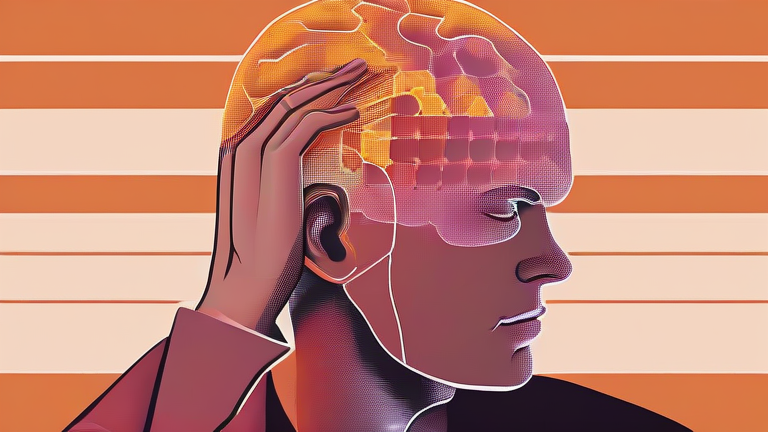
Safe Neurotechnology Treatments for Depression
The landscape of mental healthcare is undergoing a profound transformation as neurotechnology moves from experimental labs to clinical reality. For millions suffering from treatment-resistant depression, traditional pharmaceuticals often fall short, leading to a desperate search for more effective, precise interventions. Recent breakthroughs in non-invasive and minimally invasive brain stimulation therapies are offering new hope, combining scientific rigor with unprecedented safety profiles. This article explores the latest developments, technical specifications, and the broader industry impact of these emerging treatments.

At the forefront of this revolution is Transcranial Magnetic Stimulation (TMS), which has evolved significantly in recent years. The latest iterations, such as Deep TMS and Theta Burst Stimulation (TBS), offer shorter treatment sessions and improved patient comfort. Unlike older methods that required weeks of daily visits, TBS can deliver therapeutic doses in just minutes per session. These devices utilize high-frequency magnetic pulses to stimulate nerve cells in the prefrontal cortex, the area of the brain responsible for mood regulation. The technology is non-invasive, meaning it does not require surgery or anesthesia, significantly reducing the risk of adverse effects compared to older electroconvulsive therapy (ECT) methods. Recent clinical trials have demonstrated remission rates of up to 50% for patients who had not responded to antidepressants, marking a substantial leap forward in efficacy.
If you want to dig deeper, check out our guide on Lab-Grown Meat Clears Major Regulatory Hurdles.
Another promising development is the rise of closed-loop neurostimulation systems. Unlike open-loop systems that deliver continuous stimulation, closed-loop devices monitor brain activity in real-time and adjust stimulation parameters dynamically. This adaptive approach ensures that only the necessary neural circuits are activated, minimizing side effects like headaches or cognitive disruption. Specs for these next-generation implants include wireless charging capabilities, biocompatible materials that reduce immune response, and battery lives extending up to ten years. These technical advancements not only improve patient quality of life but also enhance the precision of the treatment, making it safer for long-term use.
The industry impact of these technologies is profound. Venture capital investment in neurotech startups has surged, with billions poured into developing scalable, accessible mental health tools. Major tech companies are partnering with healthcare providers to integrate AI-driven diagnostics with neurostimulation devices