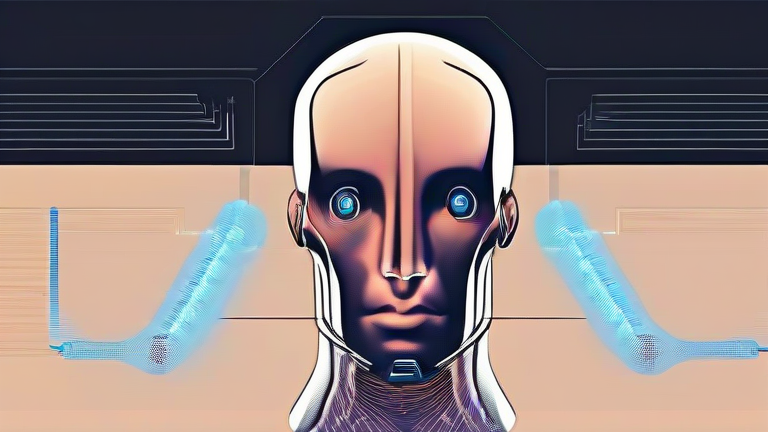
Thought-Controlled Devices: How Neurotech Interfaces Work

The boundary between human biology and digital technology is dissolving at an unprecedented pace. Neurotechnology, once confined to the realm of science fiction, is now rapidly entering consumer markets and clinical settings. At the forefront of this revolution are thought-controlled devices, which leverage Brain-Computer Interfaces (BCIs) to translate electrical impulses from the brain directly into digital commands. This article explores the mechanics behind these systems, their current specifications, and their profound impact on various industries.
At the core of every BCI lies the ability to decode neural activity. Non-invasive methods, such as electroencephalography (EEG) headsets, use sensors placed on the scalp to detect electrical patterns generated by neuronal communication. These signals are then processed by advanced machine learning algorithms that identify specific intent, such as moving a cursor or typing a word. In contrast, invasive interfaces involve micro-electrode arrays implanted directly into the brain’s cortex, offering higher signal fidelity and spatial resolution. While currently restricted to medical trials, these implants provide a level of precision that non-invasive wearables cannot yet match, allowing for complex motor control restoration in paralyzed patients.
Recent developments have significantly improved the latency and accuracy of these systems. Modern BCAs now boast decoding speeds exceeding twenty words per minute for text input, a substantial leap from previous iterations. Furthermore, miniaturization efforts have led to sleek, consumer-grade headbands that resemble everyday fashion accessories rather than medical equipment. These devices utilize wireless Bluetooth connectivity and cloud-based processing to reduce local computational burden, making them more accessible and user-friendly for everyday tasks like controlling smart home devices or navigating virtual reality environments.
The industry impact is multifaceted and transformative. In healthcare, BCIs are restoring autonomy to individuals with amyotrophic lateral sclerosis (ALS) and spinal cord injuries, enabling them to communicate and interact with their surroundings without physical movement. Beyond medicine, the entertainment and gaming sectors are integrating neural inputs to create immersive experiences that respond to user emotion and focus. Meanwhile, corporate sectors are exploring neurofeedback tools to enhance productivity and mental well-being. As ethical frameworks evolve alongside technological capabilities, thought-controlled devices promise to