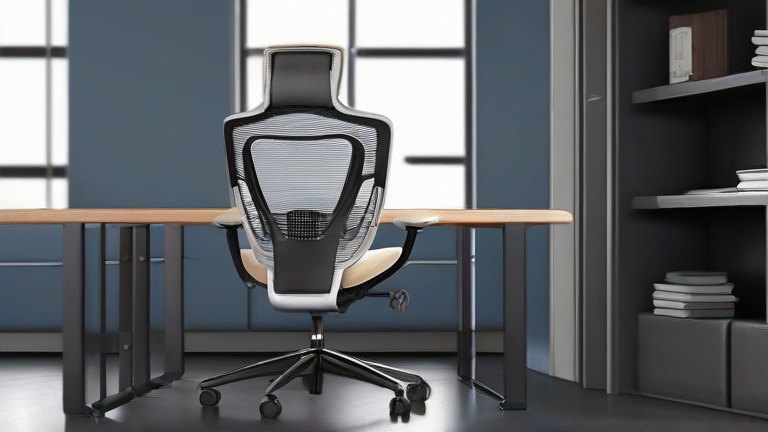
TL;DR: To choose the best ergonomic office chair for back pain, prioritize adjustable lumbar support and seat depth to ensure proper spinal alignment. Additionally, select a chair with breathable materials and a synchronized tilt mechanism to reduce pressure on your lower back during long work sessions.
Why Ergonomics Matter for Spinal Health
If you want to dig deeper, check out our guide on Why 2-3 Days Is Your Perfect Travel Duration.
Sitting for extended periods is a primary contributor to chronic lower back pain, neck strain, and poor posture. An ergonomic office chair is not merely a luxury; it is a critical health investment designed to support the natural S-curve of your spine. Without proper support, your pelvis tilts backward, flattening the lumbar region and forcing your muscles to work overtime to keep you upright. This leads to fatigue and eventual discomfort. By choosing a chair that adapts to your body’s unique geometry, you can distribute weight evenly, reduce disc pressure, and maintain a neutral posture throughout the workday. The right chair acts as an extension of your body, allowing you to focus on tasks rather than adjusting your position constantly.
Key Features to Look For
When evaluating options, several non-negotiable features stand out. First, adjustable lumbar support is paramount. This feature should allow you to move the support up and down and sometimes in and out, ensuring it fits perfectly into the curve of your lower back. Next, consider seat depth. If the seat is too deep, it presses against the back of your knees, cutting off circulation; if too shallow, it fails to support your thighs. An adjustable seat depth ensures your feet rest flat on the floor while maintaining a two-finger gap between the seat edge and your knees. Armrests should also be adjustable in height and width to support your elbows at a ninety-degree angle, reducing shoulder tension that often radiates down the spine.
Comparison of Top Contenders
Among the leading models, the Herman Miller Aeron and the Steelcase Leap V2 are frequently cited as industry standards. The Aeron is renowned for its breathable mesh material, which prevents heat buildup and promotes airflow. Its Pellicle suspension adapts to your body shape, providing uniform support without hot spots. However, it lacks adjustable lumbar depth, which may not suit everyone. Conversely, the Steelcase Leap V2 offers LiveBack technology that mimics the shape of your spine, changing as you move. It provides more robust lumbar adjustment options than the Aeron, making it a superior choice for those with specific lower back issues. While the Aeron is lighter and more modern in aesthetic, the Leap V2 offers a softer, more cushioned feel that many users find more comfortable for all-day sitting. Both chairs come with extensive warranties, but the Leap V2 often edges out in user reviews regarding long-term back pain relief.
Making the Final Decision
Ultimately, the best chair is one that you can test in person, as comfort is highly subjective. Pay attention to how the chair feels after thirty minutes of sitting, not just the initial impression. Look for chairs that offer a trial period, allowing you to assess their impact on your back pain over several days. Don’t compromise on quality for price; a good ergonomic chair lasts for years and pays for itself through improved productivity and reduced medical costs. Take the time to adjust all settings meticulously to fit your body dimensions. If you are ready to transform your workspace and alleviate chronic discomfort, explore the detailed reviews and comparison charts available on our website. Click the link below to find the perfect ergonomic solution tailored to your specific needs and budget.
FAQ
Q: How long should I sit in an ergonomic chair?
A: Experts recommend taking breaks every thirty to sixty minutes to stand, stretch, or walk, regardless of chair quality, to promote blood flow and prevent stiffness.
Q: Can an ergonomic chair completely cure back pain?
A: While it significantly reduces strain and prevents further injury, it is a supportive tool rather than a medical cure; combining it with proper posture and exercise yields the best results.
Q: Is mesh or foam better for back pain?<