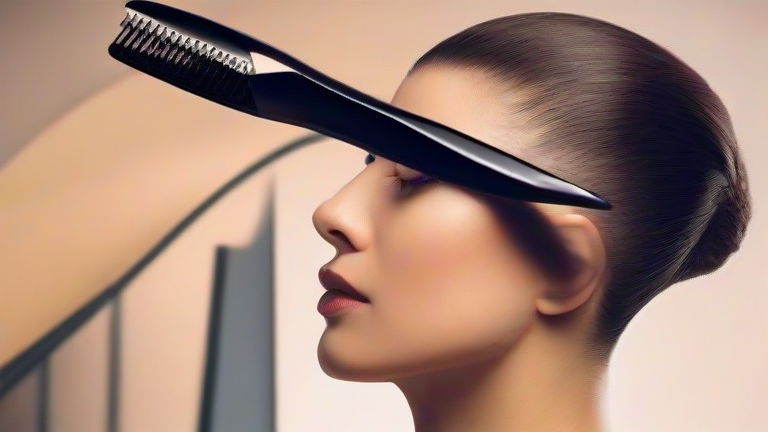
Start Cutting Your Own Hair: A Total Game Changer
TL;DR: Cutting your own hair saves significant money and time while reducing environmental waste associated with salon visits. It empowers you to maintain your style consistently without relying on professional appointments, offering a practical and cost-effective wellness routine.
The Financial and Environmental Impact
One of the most immediate benefits of self-care at home is the financial relief. The average person spends hundreds or even thousands of dollars annually on professional haircuts. By taking matters into your own hands, you reclaim this budget for other wellness priorities, such as high-quality nutrition or fitness memberships. Beyond personal finance, there is a notable environmental benefit. Salon visits involve transportation emissions and the use of water-intensive washing stations. Cutting at home eliminates the carbon footprint of commuting and reduces the demand for single-use plastics often found in professional settings, aligning your grooming routine with sustainable living principles.
If you want to dig deeper, check out our guide on How to Check if Your Products Appear in AI Recommendations.
Psychological Benefits and Autonomy
Psychologically, mastering the art of cutting your own hair fosters a sense of autonomy and self-reliance. Studies in behavioral psychology suggest that individuals who manage their own grooming routines often report higher levels of self-efficacy. This skill removes the uncertainty associated with trusting strangers with your appearance. It transforms hair care from a passive service into an active form of self-expression. Furthermore, the process encourages mindfulness. Focusing on precise angles and lengths requires concentration, which can serve as a brief mental break from daily stressors. This meditative aspect contributes to overall mental well-being, reducing anxiety related to unpredictable salon outcomes or scheduling conflicts.
Practical Tips for Success
To ensure a successful experience, start with the right tools. Invest in sharp, professional-grade scissors rather than craft scissors, as dull blades cause fraying and damage, which can lead to breakage over time. Always cut dry hair, as wet hair stretches and shrinks when dry, leading to uneven lengths. Begin by taking small sections and using the point-cutting technique to soften edges. If you are new to this practice, consider starting with a trim rather than a major change. Watch tutorials specific to your hair type and length, as straight, curly, and coily textures behave differently. Consistency is key; practice makes perfect, and over time, you will develop an intuitive understanding of your natural hair pattern, leading to healthier, more manageable results.
FAQ
Q: Is it safe to cut my own hair if I have thinning hair?
A: Yes, but caution is advised. Thin hair is more prone to showing unevenness, so start with minimal trims and use a guide comb to ensure even tension across all sections.
Q: What is the best tool for a beginner to start with?
A: A set of professional shears is essential. Avoid cheap scissors, as they tug on the hair. A good pair of shears ensures clean cuts that heal properly and prevent split ends.
Q: How often should I cut my own hair to maintain health?
A: Most hair types benefit from a trim every six to eight weeks. This removes split ends before they travel up the shaft, promoting stronger and healthier hair growth over time.