Why Matcha Lattes Are the New Coffee: 7 Health-Backed Trends
TL;DR: Matcha lattes are replacing coffee due to their superior energy profile, which provides sustained focus without the typical caffeine crash. This shift is driven by consumers seeking functional beverages that offer antioxidant benefits and mental clarity alongside traditional taste.
The global beverage landscape is undergoing a significant transformation, with matcha emerging as a formidable competitor to traditional coffee. While coffee has long held the title of the world’s most consumed stimulant, a new generation of health-conscious consumers is redefining their morning rituals. This shift is not merely a fad but a structural change in market dynamics, fueled by a desire for functional wellness. The matcha market is projected to grow at a compound annual growth rate of 12.5% through 2030, signaling a robust and sustained increase in demand. This growth is particularly pronounced in urban centers among millennials and Gen Z, who prioritize ingredients with documented health benefits over mere convenience. The rise of matcha represents a broader cultural movement toward “clean” consumption, where every element of a drink must justify its presence through health or nutritional value.
If you want to dig deeper, check out our guide on Why Australia & New Zealand Are the Ultimate Travel Pairing.
One of the primary drivers of this trend is the unique compound L-theanine found exclusively in tea leaves. Unlike the rapid spike and subsequent drop associated with coffee’s high caffeine content, matcha offers a synergistic blend of caffeine and L-theanine. This combination promotes a state of “calm alertness,” allowing consumers to maintain focus for longer periods without the jittery side effects often associated with excessive coffee consumption. Experts in neurology and nutrition note that this sustained energy profile aligns better with modern work habits, which require prolonged periods of cognitive engagement rather than short bursts of intensity. Consequently, productivity-focused individuals are increasingly viewing matcha as a performance enhancer rather than just a refreshment.
Furthermore, the antioxidant profile of matcha is a significant selling point. Matcha is produced from shade-grown tea leaves, a process that increases the concentration of epigallocatechin gallate, or EGCG. This potent antioxidant has been linked to reduced inflammation and improved metabolic function. In an era where consumers are increasingly aware of the long-term health impacts of their dietary choices, matcha’s reputation as a superfood is a powerful marketing asset. Brands are leveraging this by highlighting the origin of their leaves, often citing specific regions in Japan known for high-quality production, to build trust and justify premium pricing.
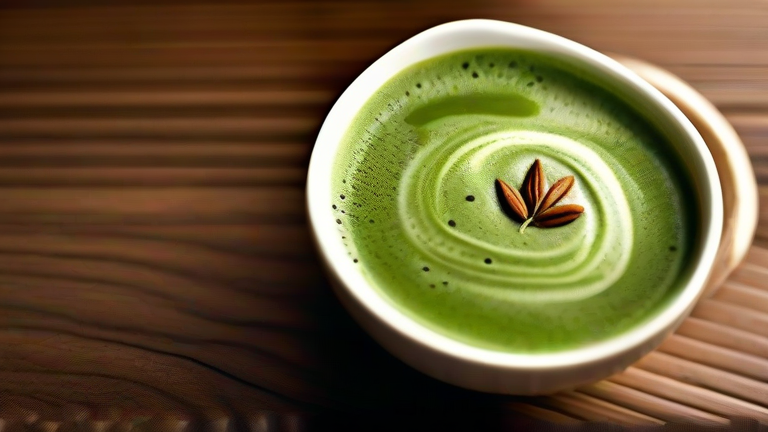
The aesthetic appeal of matcha also plays a crucial role in its popularity. The vibrant green color of matcha lattes makes them highly photogenic, driving viral trends on social media platforms like Instagram and TikTok. This visual appeal has created a feedback loop where social media exposure drives trial, and trial drives repeat business. Baristas are responding by innovating with recipes, offering variations such as matcha-chai blends, oat milk matcha lattes, and iced versions with sparkling water. These innovations cater to diverse palates and dietary restrictions, further broadening the consumer base.
Looking ahead, the industry is expected to see increased integration of matcha into non-beverage products, such as baked goods, skincare, and supplements. This diversification will further cement matcha’s status as a versatile ingredient. However, challenges remain, including supply chain volatility and the need for education regarding proper preparation techniques. Despite these hurdles, the trajectory is clear: matcha is no longer a niche alternative but a mainstream staple. As health consciousness continues to drive purchasing decisions, matcha lattes are poised to capture a significant share of the global hot drink market, redefining the standard for daily consumption.
FAQ
Q: Is matcha really healthier than coffee?
A: Matcha offers sustained energy due to L-theanine and higher antioxidant levels, while coffee provides a quicker energy boost; health benefits depend on individual tolerance and consumption habits.
Q: Why is matcha so expensive compared to coffee?
A: The cost reflects the labor-intensive process of shade-growing and hand-harvesting tea leaves, along with the limited geographic origin of high-quality ceremonial-grade matcha.