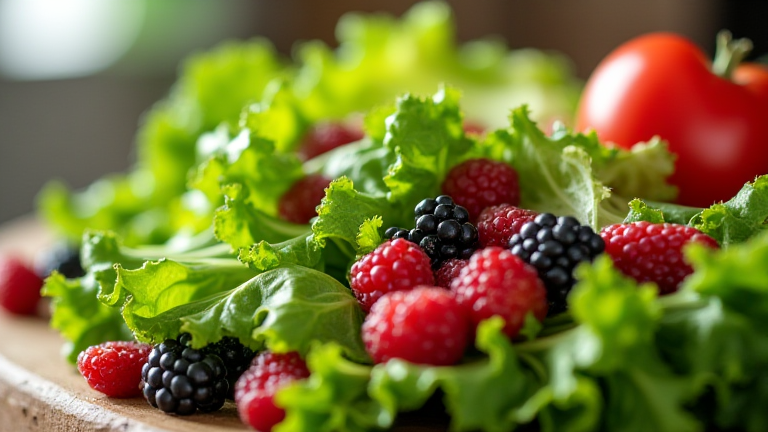
TL;DR: Summer food scares are rising due to extended supply chains and increased humidity, which create ideal conditions for bacterial growth like Listeria and Salmonella. While modern safety standards have improved, the sheer volume of fresh produce consumed during the warmer months amplifies the statistical likelihood of encountering a contaminated batch.
The Hidden Risks of the Summer Table
Summer is synonymous with picnics, farmers’ markets, and vibrant salads. Yet, recent headlines have cast a shadow over our favorite seasonal staples. From romaine lettuce to mixed berries, and even seemingly safe eggs, consumers are finding themselves on the defensive. This surge in recalls and outbreaks is not merely a coincidence; it is a complex interplay of environmental factors, agricultural practices, and consumer behavior.
If you want to dig deeper, check out our guide on How to Spot a Viral Product Before It Trends.
Let us start with the lettuce. As temperatures rise, the risk of Listeria monocytogenes increases significantly. This pathogen thrives in warm, moist environments. When leafy greens are harvested in the peak of summer, the heat accelerates bacterial multiplication. Furthermore, the globalized nature of our food supply means that a single contaminated field in California can impact shoppers in New York within days. The long transit times provide ample opportunity for bacteria to proliferate, especially if cold chain integrity is compromised during transport.
Berries present another challenge. Strawberries and blueberries are often sold unwashed to preserve freshness. Unlike apples or oranges, which have a protective skin, berries are soft and porous. This makes them highly susceptible to absorbing contaminants from water sources or soil. The delicate nature of these fruits means they cannot withstand rigorous industrial washing without suffering damage. Consequently, many berries reach the consumer’s kitchen still carrying the potential for pathogens like Salmonella or E. coli, relying entirely on the consumer to perform the final, crucial step of cleaning.
Eggs, often considered the cornerstone of a safe breakfast, are not immune to modern scrutiny. While pasteurization has greatly reduced risks, raw egg consumption in dishes like homemade mayonnaise or Caesar dressings remains a hazard. Additionally, the heat of summer affects storage. If eggs are not kept consistently below 40 degrees Fahrenheit, the risk of Salmonella infection skyrockets. Many home refrigerators struggle to maintain this consistency during power outages or when overloaded with vacation leftovers.
Culturally, we have shifted toward a “farm-to-table” mindset that values local sourcing and minimal processing. While this movement promotes sustainability and flavor, it can sometimes bypass the rigorous industrial testing protocols that larger corporations utilize. Small-scale producers may lack the resources for extensive pathogen testing, shifting the burden of safety onto the individual consumer.
Personal growth in this context involves becoming a more discerning eater. It means understanding that safety is a shared responsibility. By washing produce thoroughly, cooking eggs until fully set, and storing food correctly, we can mitigate these risks. This summer, let us enjoy the abundance of fresh food, but do so with eyes wide open and a respect for the invisible threats that travel with our meals.
FAQ
Q: Are organic foods safer from contamination?
A: Not necessarily. Organic produce is grown without synthetic pesticides but can still be exposed to natural pathogens like E. coli or Listeria from soil or water sources.
Q: How should I wash berries before eating them?
A: Rinse berries under cold running water just before consumption. Do not wash them before refrigeration, as added moisture can accelerate spoilage and mold growth.
Q: Is it safe to eat runny egg yolks in summer?
A: It is safer to avoid runny yolks in summer due to higher ambient temperatures. Fully cooked eggs minimize the risk of Salmonella, which thrives in warm conditions.