TL;DR: Vertical farming has officially crossed the profitability threshold in major metropolitan hubs due to breakthroughs in energy-efficient LED lighting and automated hydroponic systems. This milestone signals a shift from experimental pilot programs to scalable commercial operations that can compete with traditional agriculture on cost and speed.
The Breakthrough in Efficiency
For years, the agricultural tech sector has been held back by the high operational costs associated with indoor growing. The primary culprit was electricity consumption, specifically for lighting and climate control. However, recent advancements in full-spectrum LED technology have drastically reduced energy requirements by up to forty percent. These new fixtures emit precise wavelengths of light that plants need for photosynthesis without wasting energy on infrared or ultraviolet spectra. Furthermore, the integration of AI-driven environmental sensors allows for real-time adjustments to humidity, temperature, and nutrient delivery. This precision reduces crop loss rates from the previous ten to fifteen percent down to under two percent. In cities like Singapore, Tokyo, and New York, these efficiencies have lowered the cost per kilogram of leafy greens to match or beat open-field production, especially when factoring in water savings and reduced pesticide use.
If you want to dig deeper, check out our guide on How AI Changed My Workflow: Surprising Shifts You Didn’t Exp.
Technical Specifications and Infrastructure
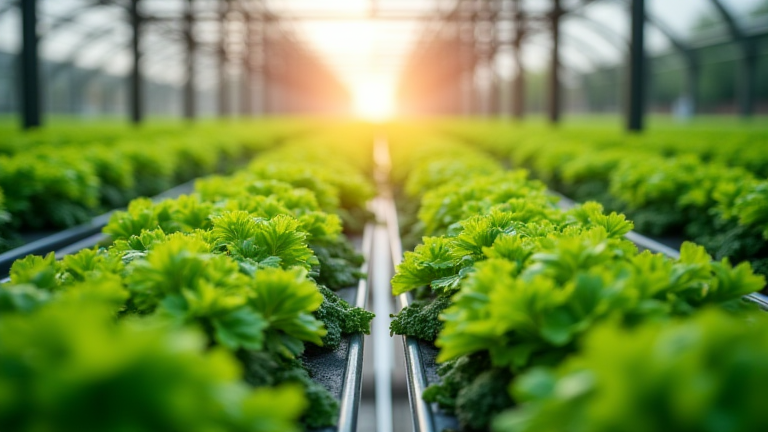
Modern vertical farms are engineering marvels that operate in compact urban spaces. The latest generation of facilities utilizes modular rack systems that can be stacked up to fifteen feet high, maximizing yield per square foot. These racks are equipped with recirculating hydroponic or aeroponic systems that use up to ninety-five percent less water than traditional farming. The infrastructure relies heavily on automation, with robotic arms handling seedling planting, harvesting, and quality inspection. This automation not only reduces labor costs but also ensures consistency in crop quality. The facilities are powered increasingly by on-site solar arrays and battery storage systems, further insulating operations from volatile energy markets. Data centers adjacent to the farms process terabytes of environmental data daily, optimizing growth cycles to produce harvestable crops in as little as thirty days compared to the traditional four to six months.
Industry Impact and Future Outlook
The profitability milestone is reshaping the global food supply chain. Supermarkets are now signing long-term contracts with vertical farms to guarantee a steady supply of pesticide-free produce. This reliability is crucial for urban areas that face climate change impacts and long-distance transportation risks. The industry impact extends beyond agriculture into technology and logistics. Companies are investing billions in expanding their footprints, leading to a boom in construction of specialized agri-facilities. This growth is creating new job categories, such as plant data scientists and robotics maintenance specialists. Moreover, vertical farming is reducing the carbon footprint of food production by eliminating the need for long-haul trucking and reducing land-use change emissions. As technology continues to improve, the focus is shifting from leafy greens to higher-value crops like strawberries, herbs, and eventually grains, promising a future where food is grown closer to where it is consumed, ensuring greater food security and sustainability for dense urban populations.
FAQ
Q: How does vertical farming compare to traditional farming in terms of water usage?
A: Vertical farming uses up to 95% less water because it employs closed-loop recirculating systems that capture and reuse water, whereas traditional farming relies on open irrigation that results in significant evaporation and runoff.
Q: What types of crops are currently profitable in vertical farms?
A: High-value, fast-growing leafy greens such as lettuce, spinach, and kale are currently the most profitable, along with delicate herbs like basil and mint, due to their short growth cycles and high demand for freshness.
Q: Will vertical farms replace traditional agriculture entirely?
A: No, vertical farms are not intended to replace traditional agriculture but to complement it by supplying fresh produce to urban centers, thereby reducing transportation emissions and land pressure in cities while large-scale farming continues to produce bulk staples.