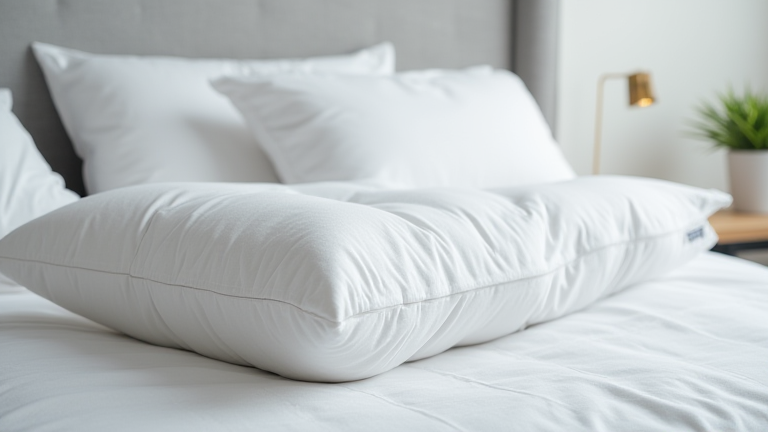
TL;DR: Yes, you can wash memory foam pillows, but never submerge them in water—the foam acts like a sponge and will trap moisture, leading to mold and structural breakdown. Instead, spot-clean stains and use a gentle baking soda deodorizing routine, reserving a full machine wash only for the removable cover.
The Science of Why Memory Foam Fears Water
Memory foam is a viscoelastic polyurethane material with an open-cell structure. Those cells are what give it that slow-rebound, pressure-relieving feel—but they also make it highly absorbent. When you fully immerse a memory foam pillow, water seeps deep into the core. Because foam dries from the outside in, the interior can stay damp for 48 hours or more, creating a perfect breeding ground for dust mites and mildew. Research from textile scientists at the University of Alberta confirms that prolonged moisture exposure degrades the polymer bonds, causing the pillow to lose its shape and support. So, the “wash” you do is a careful, surface-level cleaning, not a soak.
If you want to dig deeper, check out our guide on 5 Simple Lifestyle Hacks for a Happier, Healthier You.
The Step-by-Step Spot-Cleaning Method
Start by removing the outer cover and washing it in cold water on a gentle cycle. For the foam itself, mix a small bowl of lukewarm water with a drop of mild dish soap (avoid harsh detergents or bleach). Dip a clean white cloth into the solution, wring it thoroughly until just damp, and blot the stained area—never rub, as friction tears the foam cells. Rinse the cloth with plain water and blot again to remove soap residue. To deodorize and kill bacteria, sprinkle a thin layer of baking soda over the entire pillow, let it sit for 30 minutes, then vacuum it off with the upholstery attachment. For drying, place the pillow flat on a towel in a well-ventilated, low-humidity room, flipping it every few hours. Avoid direct sunlight and heat dryers—high temperatures can melt the foam’s structure. Expect 12–24 hours of drying time; if it still feels damp, it’s not ready to use.
Lifestyle Tips for Extending Pillow Life
To reduce how often you need to clean, always use a waterproof mattress protector under your pillowcase—sweat and oils are the main culprits of stains. Air your pillow out on your bed for 15 minutes each morning before making the bed; this allows trapped moisture from nighttime perspiration to evaporate. And remember, even with perfect care, memory foam pillows have a lifespan of 18–36 months. If you notice a permanent indentation that doesn’t bounce back, or a musty odor that returns after cleaning, it’s time to replace it.
FAQ
Q: Can I put my memory foam pillow in the washing machine on a gentle cycle?
A: No—machine washing will likely break the foam into chunks. The agitation and spin cycle are too harsh for the material, and the water will saturate the core, making drying nearly impossible. Stick to spot-cleaning only.
Q: How often should I clean my memory foam pillow?
A: Spot-clean visible stains immediately, and do a baking soda deodorizing treatment every 2–3 months. Wash the removable cover every 2 weeks. This routine keeps allergens low without risking water damage.
Q: What if my pillow accidentally gets soaked?
A: Act fast: gently press out excess water with towels (don’t wring), then lay it flat on a drying rack in front of a fan for 24–48 hours. If it still smells musty after fully drying, the foam has likely grown mold inside—discard it immediately.