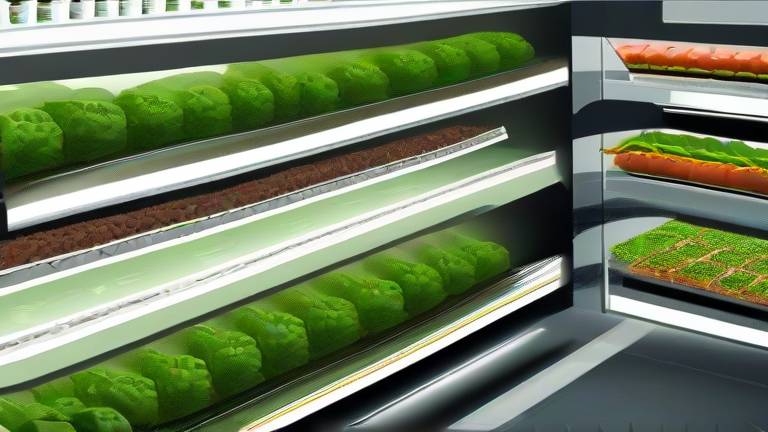
Vertical Farming Cuts Urban Food Miles & Boosts Sustainability
In an era where climate change and supply chain fragility dominate global headlines, the quest for sustainable food production has never been more urgent. Traditional agriculture, while foundational to human civilization, is increasingly scrutinized for its heavy reliance on arable land, excessive water usage, and the significant carbon footprint generated by long-distance transportation. Enter vertical farming, a revolutionary agricultural technology that is redefining how we grow, distribute, and consume food. This innovative approach is not merely a trend; it is a critical solution to the pressing challenges of urbanization and environmental degradation.
The Core Advantage: Drastically Reduced Food Miles
The most compelling argument for vertical farming lies in its ability to localize food production. Traditional lettuce, for instance, may travel over 1,500 miles from farm to fork, resulting in significant energy consumption and spoilage. Vertical farms, however, are built directly within or near urban centers. By utilizing unused warehouse spaces and high-rise buildings, these facilities bring the farm to the consumer. This proximity eliminates the need for long-haul trucking, refrigerated shipping, and complex distribution networks. The result is a dramatic reduction in “food miles,” leading to lower greenhouse gas emissions and fresher produce with extended shelf life. When food is harvested and delivered within hours, the nutritional value remains intact, offering consumers a tangible health benefit alongside environmental gains.
If you want to dig deeper, check out our guide on Best Product Review 2024: Features, Pros, Cons & Where to Bu.
Efficiency and Resource Conservation
Vertical farming employs hydroponic, aeroponic, or aquaponic systems that use up to 95% less water than traditional soil-based farming. This is crucial in regions facing severe droughts and water scarcity. Furthermore, because these systems operate in controlled environments, they eliminate the need for harmful pesticides and herbicides. The crops are grown in sterile conditions, ensuring purity and safety. Additionally, vertical farms can produce year-round, unaffected by seasonal changes, extreme weather, or pests. This consistency ensures a stable food supply, reducing waste and price volatility associated with traditional agriculture.
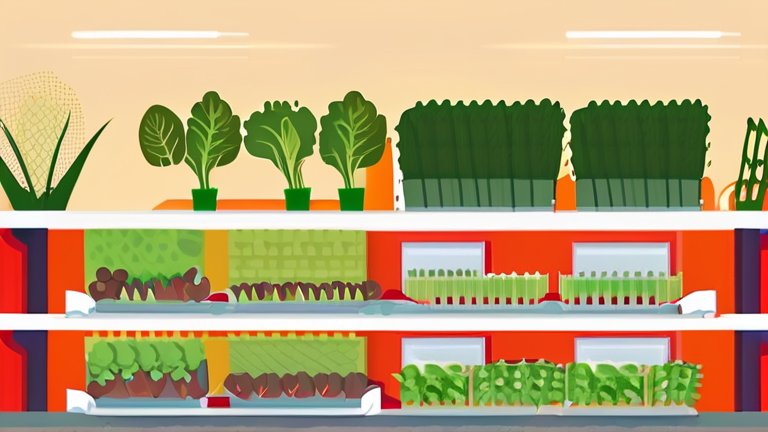
Comparing Traditional vs. Vertical Agriculture
 How Neurotech Is Revolutionizing Mental Health Treatment