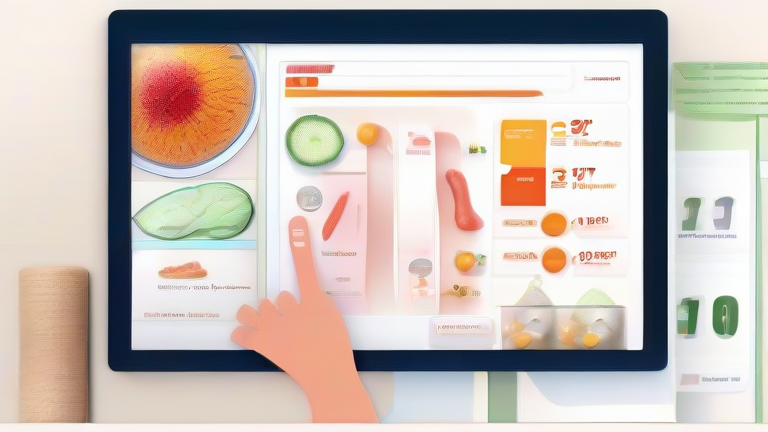
Personalized Nutrition: Real-Time Microbiome Data
Unlock your health potential by moving beyond generic diet plans. Modern science reveals that your gut microbiome is as unique as your fingerprint, influencing everything from energy levels to immune function. By leveraging real-time microbiome data, you can tailor your nutrition precisely to your body’s biological needs. This guide walks you through the process of harnessing this powerful tool for optimal wellness.

Step 1: Choose a Reputable Testing Provider
Begin by selecting a certified company offering at-home stool analysis kits. Look for providers that utilize next-generation sequencing technology to identify specific bacterial strains, not just broad categories. Ensure the company prioritizes data privacy and offers clear, actionable insights rather than just raw scientific jargon.
If you want to dig deeper, check out our guide on How Neurotech Is Revolutionizing Mental Health Treatment.
Step 2: Collect Your Sample Correctly
Follow the kit instructions meticulously. Usually, this involves collecting a small stool sample using a specialized collection tube. Timing is crucial; many tests require you to avoid certain antibiotics or probiotics for two weeks prior to sampling. Store the sample in a cool, dry place and mail it back immediately using the prepaid shipping envelope provided. Accuracy here determines the reliability of your results.

Step 3: Analyze Your Results
Once your lab analysis is complete, you will receive a digital report. Focus on metrics like microbial diversity, the ratio of Firmicutes to Bacteroidetes, and the presence of beneficial strains like Bifidobacterium or Lactobacillus. Identify any gaps or imbalances, such as low levels of short-chain fatty acid producers, which indicate a need for specific prebiotic fibers.
Step 4: Implement Personalized Dietary Changes
Use the