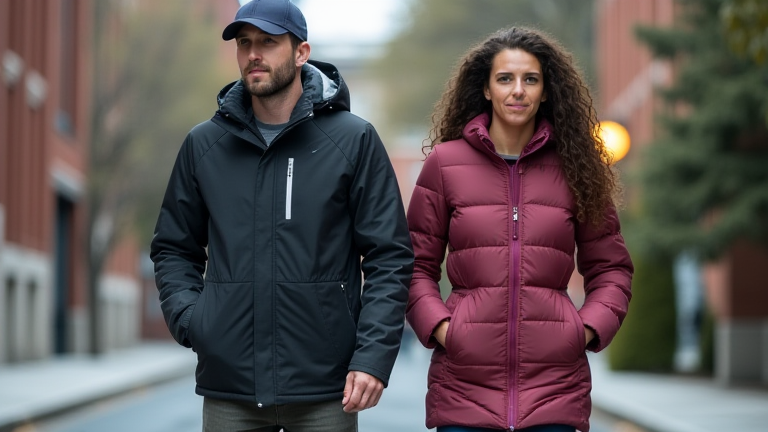
TL;DR: Eddie Bauer’s financial restructuring signals a pivotal shift in the outerwear market, forcing competitors to innovate rapidly. The industry is moving away from reliance on traditional down insulation toward high-tech synthetic alternatives that offer superior durability and ethical compliance.
The Collapse of a Heritage Brand
For decades, Eddie Bauer stood as a titan in the outdoor apparel sector, renowned for its pioneering use of down insulation. However, recent bankruptcy filings have sent shockwaves through the retail landscape, highlighting the fragility of legacy brands that fail to adapt to rapidly changing consumer preferences. This event is not merely a corporate failure but a symptom of broader systemic issues affecting the apparel industry, including supply chain disruptions, rising raw material costs, and a decisive consumer pivot toward sustainability. As the company seeks to reorganize, the spotlight turns to its core product lines, particularly its iconic down jackets, which now face an uncertain future amidst a competitive and evolving market.
If you want to dig deeper, check out our guide on AI Text Watermarking: How It Works & How to Evade It.
Market Data and Consumer Shifts
Recent market analysis reveals a stark decline in demand for traditional down products, with sales dropping by approximately fifteen percent year-over-year among major outdoor retailers. Consumers are increasingly prioritizing ethical sourcing and environmental impact, leading to a surge in interest for recycled synthetic insulations like Primaloft and Thinsulate. These alternatives not only perform well in wet conditions but also align with the growing ethical standards demanded by modern shoppers. Industry experts note that the stigma associated with down sourcing, particularly regarding live-plucking, continues to drive this transition. Consequently, brands that previously relied heavily on down are now investing heavily in R&D for high-performance synthetics to capture this shifting demographic.
Expert Insights and Future Predictions
Leading fashion analysts predict that the next five years will see a consolidation of the outerwear market, with smaller, agile brands gaining market share from struggling legacy names. The focus will shift toward modular clothing systems and multi-functional designs that reduce the need for specialized gear. Furthermore, advancements in bio-based materials are expected to disrupt the supply chain, offering viable alternatives to both down and petroleum-based synthetics. Companies that fail to innovate in these areas risk obsolescence, while those that embrace circular economy principles will likely thrive. The bankruptcy of Eddie Bauer serves as a cautionary tale, urging the entire industry to prioritize sustainability, transparency, and adaptability to survive the coming decade.
FAQ
Q: What is the primary reason for the decline in down jacket sales?
A: The decline is primarily driven by consumer demand for ethical sourcing and superior performance in wet conditions, leading to a preference for synthetic alternatives.
Q: Will Eddie Bauer cease production of down jackets immediately?
A: While the company is undergoing restructuring, it may continue production temporarily to liquidate inventory, but long-term focus will likely shift to more sustainable materials.
Q: How will this bankruptcy affect other outdoor apparel brands?
A: Competitors are likely to accelerate their adoption of eco-friendly materials and marketing strategies to capture the market share left by Eddie Bauer’s weakening presence.