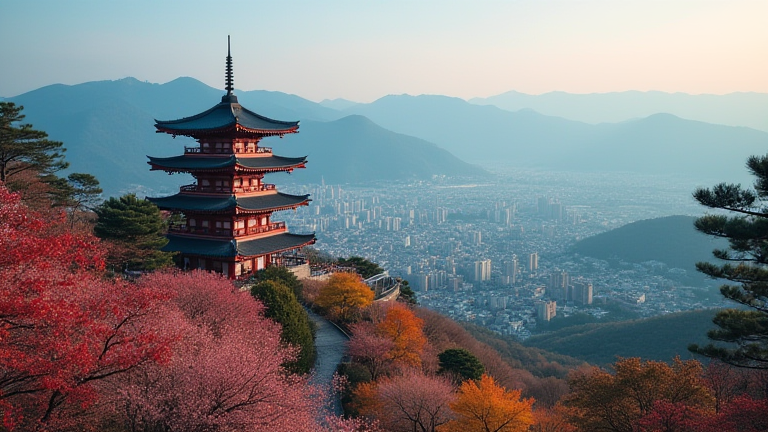
TL;DR: This two-week South Korea itinerary balances cultural immersion with active health practices, starting in Seoul’s vibrant districts and moving to Jeju Island for nature therapy. By integrating traditional Korean wellness habits with modern scientific recommendations, travelers can optimize both mental clarity and physical vitality throughout their journey.
Day 1-3: Seoul’s Urban Wellness
Begin your journey in Seoul, where ancient traditions meet cutting-edge urban living. Start each morning with a guided walk along the Seoul Forest Trail. Research published in the *Journal of Environmental Psychology* suggests that even brief exposure to urban green spaces significantly lowers cortisol levels, the primary stress hormone. This initial exposure sets a calming tone for the rest of your trip. Afterward, indulge in a traditional Korean breakfast featuring *kimchi* and fermented soybean paste. Recent microbiome studies indicate that these probiotic-rich foods support gut health, which is directly linked to improved immune function and mood regulation.
Spend your afternoons exploring Bukchon Hanok Village, but prioritize active sightseeing over passive observation. Walking approximately ten thousand steps a day, a benchmark supported by numerous longevity studies, ensures you maintain cardiovascular health while discovering hidden temples. In the evenings, avoid heavy, greasy late-night snacks. Instead, opt for *soondubu-jjigae* (soft tofu stew), which is high in protein and low in saturated fats. This meal supports muscle repair after a day of walking without disrupting sleep patterns, a critical component of overall wellness.
Day 4-7: The Cultural Heart
Transition to Gyeongju, the ancient capital, to deepen your cultural connection. The slower pace here encourages mindfulness, a practice proven to enhance emotional resilience. Visit the Cheomseongdae Observatory at sunset. The act of observing natural light changes helps regulate circadian rhythms, improving sleep quality back home. Engage in a traditional tea ceremony, focusing on the ritualistic aspects. Mindful eating and drinking techniques have been shown to improve digestion and reduce anxiety. Spend your days hiking around Bulguksa Temple. The elevation gain provides a natural cardio workout, while the surrounding pine forests release phytoncides, natural compounds that boost natural killer cell activity, strengthening your immune system.
Day 8-14: Jeju Island Recovery
Conclude your itinerary on Jeju Island, a UNESCO Biosphere Reserve known for its “blue zone” longevity secrets. The island is home to residents who frequently live past ninety, largely due to their diet and active lifestyle. Start each morning with a hike up Hallasan Mountain. Even partial summits offer immense physical benefits, improving lung capacity and leg strength. The air quality here is pristine, providing an excellent opportunity for respiratory health recovery after city living.
Lunch should feature fresh seafood and local vegetables. Jeju’s black pork, when grilled rather than fried, offers lean protein essential for tissue repair. Incorporate daily swims in the ocean. Cold water immersion, when done safely and briefly, has been linked to reduced inflammation and improved circulation. In the evenings, practice *Jeju-style* meditation by the sea. The rhythmic sound of waves acts as a natural white noise, facilitating deeper relaxation and mental clarity.
FAQ
Q: Is tap water safe to drink in South Korea?
A: Yes, tap water in major cities like Seoul is safe to drink, though many locals prefer bottled or filtered water for taste.
If you want to dig deeper, check out our guide on How to Set Up Shopify Inventory Tracking for Beginners.
Q: How can I manage jet lag effectively during this trip?
A: Expose yourself to natural sunlight immediately upon arrival to reset your circadian rhythm, and avoid caffeine after 2 PM local time.
Q: Are vegetarian options widely available?
A: Yes, many restaurants offer *bapsang* (side dishes) that are vegetarian, and major cities have numerous dedicated plant-based dining options.