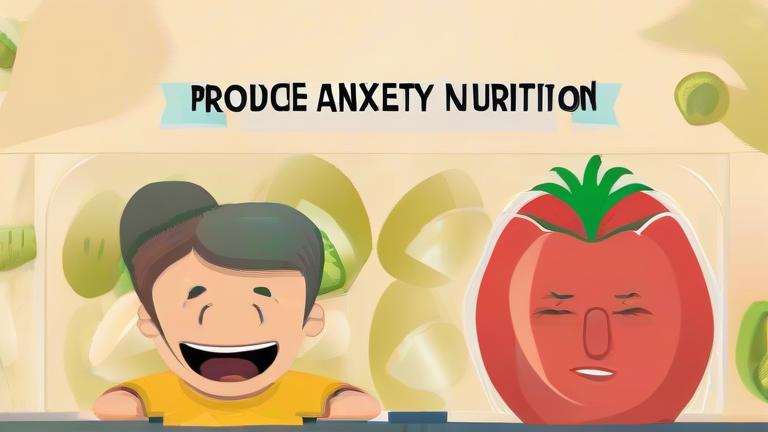
TL;DR: Produce anxiety, or the stress induced by the pressure to eat perfectly, significantly disrupts digestion and nutrient absorption by elevating cortisol levels. The most effective way to handle this is by adopting a flexible, intuitive approach to nutrition that prioritizes mental well-being over rigid dietary perfection.
The Hidden Cost of Green Anxiety
In recent years, the wellness industry has placed an immense burden on consumers to consume only organic, locally sourced, and perfectly ripe produce. While the intention is noble, the result is often a phenomenon known as “produce anxiety.” This stressor creates a paradoxical situation where the very foods meant to heal our bodies become sources of significant psychological and physiological strain. When we approach meal preparation with dread or guilt, our body’s stress response is activated. This elevated cortisol level can inhibit digestive enzymes and reduce the efficiency with which our gut absorbs vital nutrients like iron, calcium, and B vitamins. Consequently, the nutritional value of even the most premium organic kale is diminished if the consumer is stressed while eating it.
Feature Highlights of a Balanced Approach
To combat this, modern nutritional guides now emphasize features that promote ease and accessibility rather than exclusivity. Key features include the integration of frozen vegetables, which retain high nutrient profiles and reduce waste, and the encouragement of “imperfect” produce that often tastes just as good as its flawless counterparts. These strategies lower the barrier to entry for healthy eating, making it less about performative virtue and more about sustainable health. By simplifying the selection process, we reduce the cognitive load associated with grocery shopping, allowing for a more mindful and enjoyable dining experience.
Comparing Rigid vs. Flexible Diets
When comparing rigid, anxiety-driven diets to flexible nutritional frameworks, the latter consistently shows better long-term adherence and mental health outcomes. Rigid diets often lead to burnout and eventual binge-eating episodes due to the unsustainable pressure of perfection. In contrast, flexible approaches allow for occasional indulgences and mistakes without guilt, fostering a healthier relationship with food. This comparison highlights that mental clarity is just as important as macronutrient balance. A diet that causes stress is ultimately counterproductive, whereas one that reduces anxiety supports overall vitality and immune function.
Take Control of Your Nutrition
It is time to redefine what healthy eating looks like for you. Stop letting the pressure of perfection steal your joy and your nutrients. Start by incorporating one stress-free meal a day, focusing on flavors you love rather than calories you fear. Subscribe to our newsletter for more tips on mindful eating and sustainable nutrition habits that prioritize your mental health alongside your physical well-being. Join our community today and transform your relationship with food from a source of anxiety into a source of pleasure.
FAQ
Q: Can stress really affect how my body absorbs nutrients?
A: Yes, high stress levels release cortisol, which can inhibit digestive enzymes and reduce the efficiency of nutrient absorption in the gut.
If you want to dig deeper, check out our guide on How to Master Photoshop for Beginner Photo Editing.
Q: Are frozen vegetables less nutritious than fresh ones?
A: No, frozen vegetables are often picked at peak ripeness and flash-frozen, preserving their vitamin and mineral content effectively.
Q: How can I start reducing produce anxiety today?
A: Begin by buying “imperfect” produce or using frozen options, and focus on enjoying the taste of your meals rather than adhering to strict dietary rules.