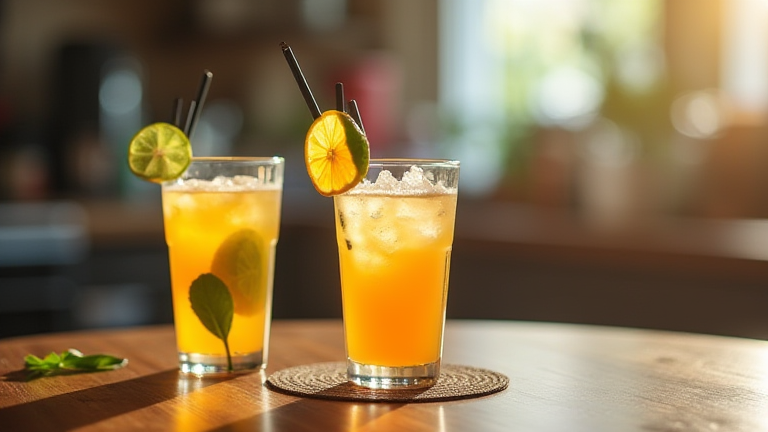
Sober Curious Boom: Functional Drinks Replace Alcohol
TL;DR: The shift toward non-alcoholic functional beverages is driven by a desire for health benefits without impairment. These drinks now offer sophisticated flavors and social appeal, making them a viable and popular alternative to traditional alcohol.
For years, the zero-alcohol market was dominated by flat sodas and bland, watery spirits that failed to capture the complexity of their alcoholic counterparts. However, a significant cultural and commercial shift has occurred. The “sober curious” movement is no longer a niche trend but a mainstream phenomenon, fueled by wellness enthusiasts, remote workers prioritizing cognitive clarity, and health-conscious consumers seeking to reduce empty calories and sleep disruption. This new wave of functional drinks promises a dual benefit: the social ritual of toasting without the physiological downsides of ethanol, combined with active ingredients that enhance focus, relaxation, or recovery.
If you want to dig deeper, check out our guide on USPS Sent Package to Wrong Country: Cancellation Guide.
Feature Highlights: What Sets These Drinks Apart?
The modern functional beverage is a far cry from the old “mocktail” concept. Leading brands are leveraging nootropics, adaptogens, and botanicals to create specific effects. For instance, evening-focused drinks often feature L-theanine, chamomile, or passionflower to promote relaxation without sedation. In contrast, daytime options might include caffeine from green tea, B-vitamins, or lion’s mane mushroom to support cognitive function and energy levels. Flavor profiles have also matured significantly, incorporating complex notes of citrus, berry, and spice that rival the depth of craft cocktails. Furthermore, these products are increasingly marketed with sleek, premium packaging that encourages social sharing, normalizing the choice to drink without alcohol in both casual and professional settings.
Comparisons: Functional Drinks vs. Traditional Alcohol
When comparing these functional beverages to traditional alcohol, the differences are stark in both outcome and experience. Alcohol acts as a central nervous system depressant, leading to impaired judgment, dehydration, and disrupted sleep cycles. Functional drinks, conversely, aim to enhance or stabilize mental states. For example, a non-alcoholic beer alternative might provide hydration and electrolytes, whereas traditional beer contributes to dehydration. In terms of social dynamics, the stigma around refusing alcohol has largely dissolved. Instead of feeling excluded, individuals choosing functional drinks often find they can participate more fully in conversations, as they remain alert and present. Additionally, the caloric impact is negligible compared to the high sugar and alcohol content of standard spirits and mixers, aligning with broader dietary goals.
The versatility of these drinks is another key advantage. They can be consumed straight, mixed with soda water, or used in sophisticated mocktail recipes. This flexibility allows users to tailor their experience to the occasion, whether it is unwinding after a long day or staying sharp during a work-from-home afternoon. The sensory experience is equally important; the carbonation, aroma, and taste are designed to mimic the ritualistic satisfaction of drinking alcohol, satisfying the psychological aspect of the habit without the chemical burden.
Call to Action
If you are curious about enhancing your daily routine without compromising your health, it is time to explore the world of functional beverages. Start by identifying your primary goal, whether it is better sleep, increased focus, or simply reducing alcohol intake. Experiment with a few top-rated brands to find the flavor profile and effect that resonates with you. Invite friends to try a tasting session at home, creating a new social norm that prioritizes well-being. Embrace the sober curious lifestyle and discover how you can enjoy the best of social drinking with none of the downsides.
FAQ
Q: Are functional drinks safe to consume daily?
A: Most are safe for daily consumption, but it is important to read labels for caffeine or supplement content and consult a healthcare provider if you have specific medical conditions or are taking medication.
Q: Do these drinks actually replace the “buzz” of alcohol?
A: No, they do not provide intoxication, but they offer alternative positive effects such as relaxation, energy, or clarity, which can satisfy the desire for a beverage ritual without impairment.
<