Eco-Friendly Packaging Hacks for Small Brands
As a small business owner, you are increasingly aware that your environmental footprint matters to your customers. Sustainable packaging is no longer just a trend; it is a necessity for brand loyalty and ecological responsibility. However, many entrepreneurs believe that going green is prohibitively expensive or logistically complex. This guide will show you how to implement effective, eco-friendly packaging solutions without breaking the bank or sacrificing aesthetic appeal. By following these simple steps, you can transform your unboxing experience into a statement of your values.
If you want to dig deeper, check out our guide on 10 Simple Lifestyle Habits to Boost Your Daily Happiness.
Step 1: Audit Your Current Materials
Begin by examining every component of your current packaging. Identify single-use plastics, non-recyclable foams, and excessive filler materials. Create a list of items that can be immediately replaced. This audit helps you understand your waste stream and sets a baseline for improvement. Often, you will find that simple swaps, such as replacing plastic poly mailers with kraft paper ones, yield immediate positive results.
Step 2: Choose Recyclable or Compostable Alternatives
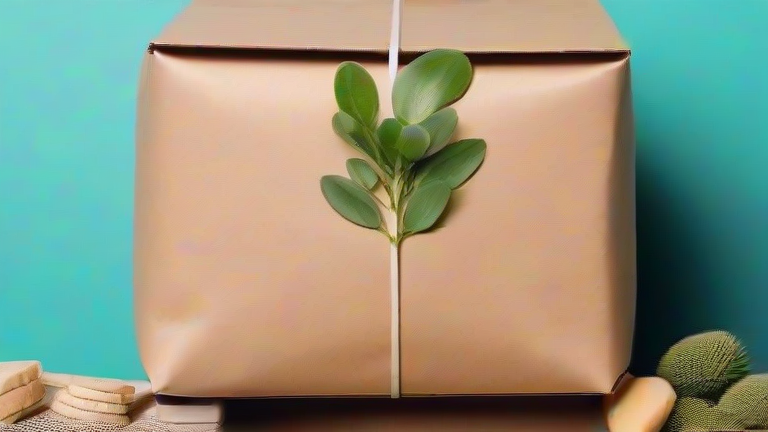
Select materials that align with local recycling capabilities. Kraft paper boxes are widely accepted and look rustic and premium. For cushioning, avoid Styrofoam peanuts. Instead, use crumpled recycled paper, corrugated bubble wrap, or mushroom-based packaging inserts. These materials are not only biodegradable but also tell a compelling story to your customers about your commitment to sustainability.
Step 3: Minimize Empty Space
Over-packaging is a major contributor to waste and higher shipping costs. Measure your products accurately and choose the smallest box that fits snugly. This reduces material usage and lowers your carbon footprint by allowing more units to fit in a single shipping container. Use custom-sized boxes if possible, or invest in adjustable box machines that cut waste significantly over time.
Step 4: Innovate with Reusable Elements
Consider