Real-Time Stress Tracking with Neurotech Wearables
In an era where burnout has become a silent epidemic, the demand for proactive mental health solutions is higher than ever. Enter the new wave of neurotech wearables, devices that move beyond simple step counting to monitor the intricate signals of our nervous systems. After spending two weeks testing the latest generation of these devices, it is clear that we are witnessing a paradigm shift in personal wellness technology. These tools do not just track your heart rate; they interpret your physiological response to the world around you, offering a window into your internal state that was previously invisible.
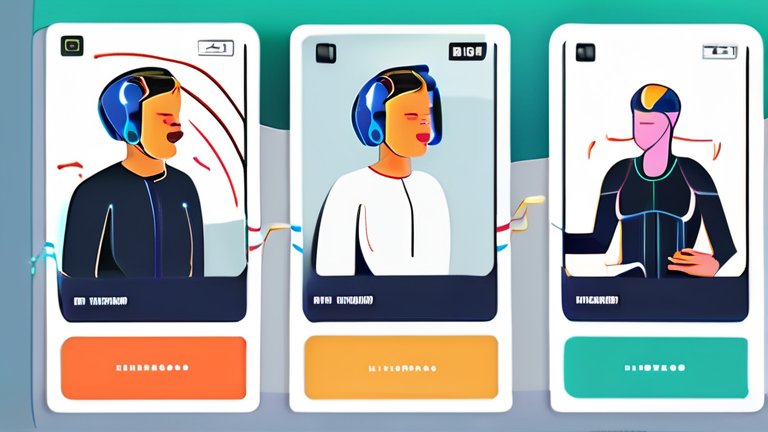
The standout feature of these modern wearables is their ability to provide real-time stress tracking through advanced sensors. Unlike traditional fitness trackers that rely solely on heart rate variability (HRV) as a lagging indicator, these devices utilize Galvanic Skin Response (GSR) and electrodermal activity sensors. GSR measures tiny changes in the skin’s ability to conduct electricity, which fluctuates with sweat gland activity—a direct response to sympathetic nervous system arousal. This means the device can detect a spike in stress before you even consciously realize you are anxious. Whether you are walking into a high-stakes meeting or navigating a crowded commute, the wearable vibrates gently to alert you to take a breath, effectively acting as a personal mindfulness coach.
When compared to older generation fitness bands, the difference is night and day. Previous iterations often produced false positives, interpreting physical exertion as emotional stress. The new neurotech models utilize sophisticated AI algorithms to differentiate between the physiological signatures of exercise and anxiety. For instance, during a intense workout, the device recognizes elevated heart rate and movement patterns associated with physical activity, ignoring the stress markers. However, during a sedentary workday, if your GSR spikes, it accurately flags it as potential stress, prompting guided breathing exercises via the companion app. This level of nuance makes the data significantly more actionable and trustworthy.
Furthermore, the integration of these devices into daily routines is seamless. The hardware is lightweight, water-resistant, and designed for all-day comfort, ensuring that you forget it is there until it needs to intervene.