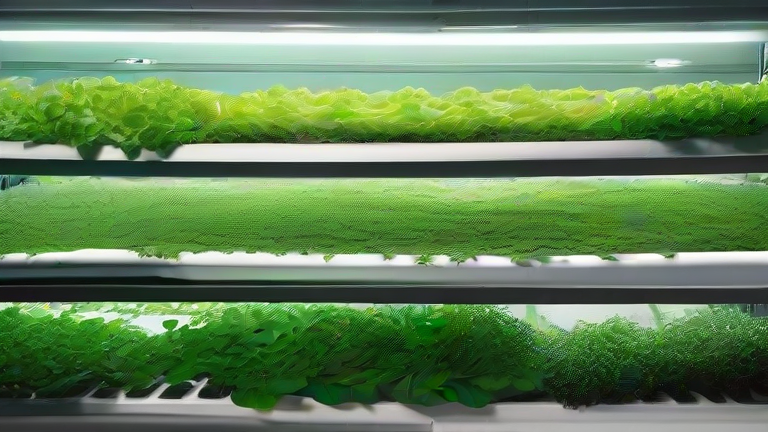
Urban Farming: Embracing Vertical Hydroponic Systems
In the heart of bustling metropolitan areas, where concrete jungles replace green fields, a quiet revolution is taking root. Urban farming is no longer just a hobby for the eccentric; it has become a necessity for sustainable living and fresh food security. At the forefront of this movement are vertical hydroponic systems, transforming balconies, windowsills, and small apartments into lush, productive gardens. This review explores how these innovative structures are changing the way we grow food in limited spaces.
The primary advantage of vertical hydroponics lies in its spatial efficiency. Unlike traditional soil-based gardening, which sprawls horizontally, vertical systems stack layers of plants, utilizing airspace rather than floor space. This is crucial for city dwellers who may have less than ten square feet of usable garden area. By growing upwards, users can cultivate dozens of herbs, leafy greens, and even small fruits like strawberries in the footprint of a single bookshelf. The result is a significantly higher yield per square foot compared to conventional methods, making it an economically viable option for many households.
If you want to dig deeper, check out our guide on Real-Time Biofeedback in Mental Health Apps.
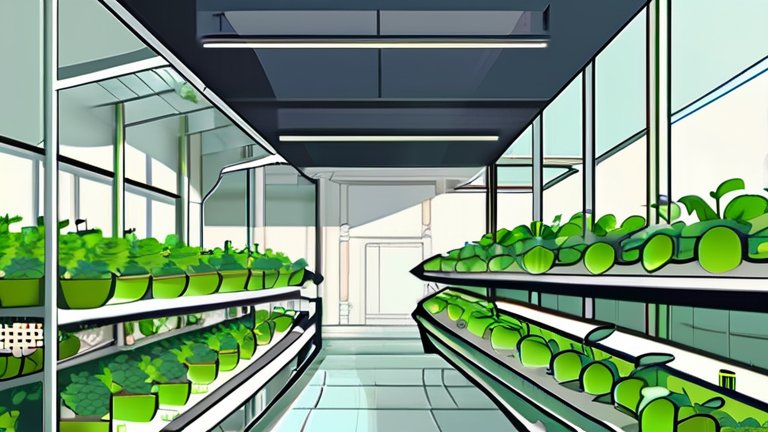
Feature highlights of top-tier models include automated nutrient dosing, adjustable LED grow lights, and quiet circulation pumps. Modern systems often come with smart connectivity, allowing users to monitor pH levels, water temperature, and light cycles via smartphone apps. This automation reduces the learning curve for beginners, ensuring that plants receive optimal care without constant manual intervention. Furthermore, because these systems recirculate water, they use up to ninety percent less water than traditional soil gardening, aligning perfectly with eco-conscious values.
When comparing vertical hydroponics to traditional soil gardening or horizontal hydroponic tables, the differences in maintenance and scalability become clear. Soil gardening requires frequent weeding, pest management, and heavy lifting of soil bags, whereas hydroponics eliminates soil-borne diseases and pests entirely. Horizontal tables, while effective, demand significant floor space that many urban apartments simply do not have. Vertical systems, however, offer a compact, aesthetically pleasing solution that integrates seamlessly into