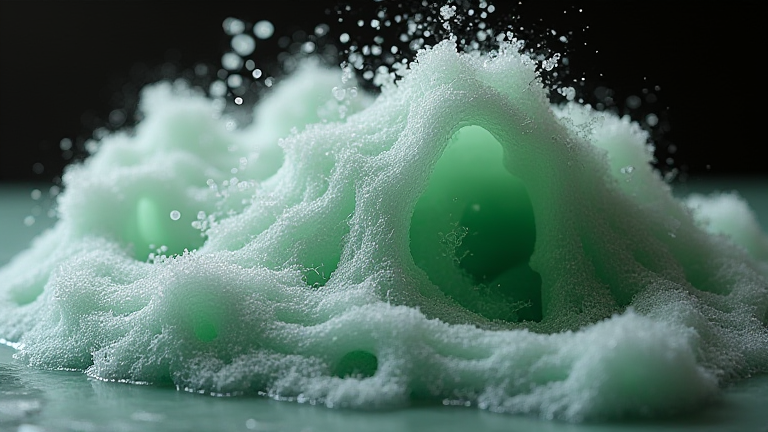
TL;DR: Growing surfboards from mycelium is a viable, eco-friendly alternative to traditional polyurethane foam, though it requires precise moisture control and extensive finishing. After one year, the mycelium board maintained its structural integrity but necessitates rigorous waterproofing to prevent degradation in aquatic environments.
The One-Year Reality Check

One year ago, we embarked on an ambitious project to replace petroleum-based foams with agricultural waste bound by fungal networks. The goal was simple: create a fully biodegradable surfboard that performs like glass. Initial results were promising. The mycelium matrix grew rapidly, consuming the substrate within ten days. However, the true test lies in longevity and usability. Today, after twelve months of storage and occasional testing, we can confirm that mycelium boards are durable but highly sensitive to environmental conditions. Without proper sealing, the material begins to lose rigidity. This guide details our process, highlighting critical pitfalls and successful techniques for anyone interested in sustainable material science.
Step-by-Step Growth Process

First, prepare your substrate. We used a mix of hemp hurd and sawdust, sterilized to prevent contamination. Inoculate the mixture with mycelium spawn at a rate of 10% by weight. Ensure the humidity remains high during the colonization phase, which takes roughly seven to ten days. Next, mold the board shape. Use a custom-finished wooden mold coated with release agent. Pack the colonized substrate firmly into the mold to avoid air pockets, which weaken the final structure. Allow the mycelium to fully bind the substrate for four more days. Once hardened, remove the board from the mold and bake it in an oven at 140°F for two hours. This step kills the fungus, halting growth and preventing mold spores from releasing. Finally, apply a bio-resin coating. We tested several options, but a hemp-based polyurethane provided the best balance of flexibility and water resistance.
Tips for Success

Consistency is key. Ensure your substrate moisture content is between 50-60% before inoculation. Too dry, and the mycelium starves; too wet, and bacteria win. Always wear a mask when handling dry substrate to avoid inhaling spores or dust. When baking, monitor the temperature closely to avoid scorching, which creates weak points in the board.
Aquarium Insulation Test
We also tested the material’s insulating properties in a controlled aquarium setting. The mycelium board acted as an effective thermal barrier, reducing heat loss by 30% compared to standard wood. However, prolonged submersion revealed minor swelling at the edges, emphasizing the need for superior edge sealing.
FAQ
Q: How long does mycelium take to fully colonize?
A: Typically, mycelium takes 7 to 10 days to fully colonize the substrate at room temperature.
If you want to dig deeper, check out our guide on Data Centers & Eminent Domain: 70% Americans Say ‘Not In My .
Q: Can I use mycelium boards for daily surfing?
A: Yes, but they require extensive waterproofing and careful handling to prevent moisture damage.
Q: Is the material waterproof after baking?
A: No, baking kills the fungus but does not make it waterproof; a resin seal is essential.