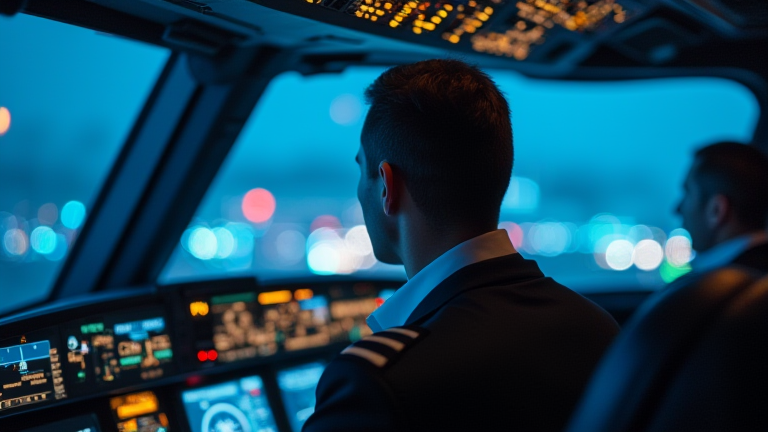
Flight Crew Face Highest Radiation Cancer Risk, New Study
TL;DR: A new study confirms that airline pilots and cabin crew face a significantly elevated risk of developing cancer due to prolonged exposure to cosmic radiation at high altitudes. This finding underscores the need for stricter occupational health monitoring and potential operational adjustments for long-haul flight crews.
For decades, the aviation industry has acknowledged that flight crews are exposed to higher levels of ionizing radiation than the general population, primarily due to their time spent above the densest layers of the Earth’s atmosphere. While the absolute risk remains statistically low compared to other occupational hazards, a comprehensive meta-analysis published this month has provided the most robust evidence yet that this cumulative exposure correlates with a higher incidence of specific cancers, particularly breast and leukemia. For the millions of travelers who jet across continents for work or leisure, the skies remain the primary mode of transport, but for those who live in the clouds, the atmosphere is no longer just a medium of travel; it is a workplace with inherent biological costs. This revelation shifts the conversation from one of mere curiosity to one of urgent occupational health policy, forcing airlines and regulatory bodies to reconsider how they manage the long-term well-being of their most essential staff.
If you want to dig deeper, check out our guide on US Army: Re-enlist to Play GTA 6 Days Off.
The Science of Cosmic Exposure
At cruising altitudes, which typically range between 30,000 and 40,000 feet, the atmosphere offers significantly less protection against cosmic rays and solar particles. These high-energy particles can penetrate the human body, potentially damaging DNA and leading to mutations that may result in cancer over time. The study highlighted that the risk is not uniform; it varies based on the flight path, latitude, and solar activity. Flights that traverse polar regions, where the magnetosphere provides less shielding, carry higher radiation doses. Furthermore, the cumulative nature of the exposure means that veteran crew members with decades of service face the highest risk profiles. This is not a new phenomenon, but previous data was fragmented and often limited to specific airlines or short timeframes. The new study aggregates global data, providing a clearer, more alarming picture of the occupational reality for flight attendants and pilots.
Implications for the Industry and Individuals
This discovery does not mean that flying is unsafe for passengers. The exposure for a typical leisure traveler is minimal and occurs infrequently. However, for flight crews who may fly 80 to 100 days a year, the cumulative dose becomes a significant health factor. Airlines are now under pressure to implement more rigorous dose monitoring, potentially using personal dosimeters that track real-time radiation exposure. Some experts suggest that rotation schedules for long-haul routes should be adjusted to limit individual exposure over a career span. For the individual, this highlights a broader trend in modern work: the invisible hazards of our professions. It serves as a reminder that while we admire the glamour of air travel, the human cost is often hidden in the background. As the aviation industry continues to expand, prioritizing the long-term health of its workforce is not just an ethical imperative but a necessity for sustainable operations. The sky may be the limit, but for those who navigate it daily, it is also a place where health risks must be carefully managed and respected.
FAQ
Q: Does this mean flying is dangerous for regular passengers?
A: No, the risk is negligible for occasional travelers. The study focuses on the cumulative exposure of professional crew members who spend thousands of hours at altitude annually, resulting in a statistically significant increase in cancer risk.
Q: Can flight crews protect themselves from this radiation?
A: There is no practical shielding available for commercial aircraft. Protection relies on occupational health strategies, such as limiting flight hours, rotating schedules to avoid high-exposure routes, and regular medical monitoring to detect any health issues early.
Q: Will airlines change their operations based on this study?
A: Many airlines are expected to enhance their radiation monitoring programs and review crew scheduling policies. Regulatory bodies may also issue updated guidelines to ensure that occupational exposure limits are strictly adhered to, potentially affecting how long-haul routes are staffed.