
How AI Agents Autonomously Manage Your Digital Life
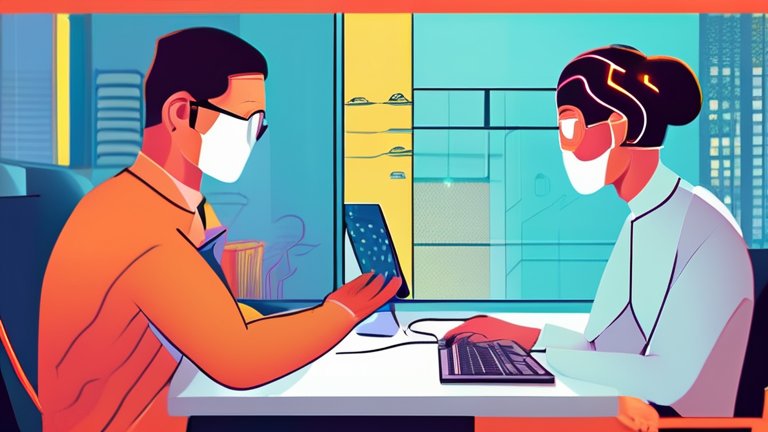
In the rapidly evolving landscape of digital wellness, Artificial Intelligence agents are transitioning from passive tools to proactive guardians of our health. These autonomous systems do not merely record your steps; they analyze patterns, predict burnout, and manage your schedule to align with your biological rhythms. This shift represents a paradigm change in how we approach preventive care and daily stress management.
By integrating with your wearable devices and calendar, AI agents create a holistic view of your well-being. For instance, if your smartwatch detects elevated heart rate variability indicating stress, the agent can autonomously reschedule non-urgent meetings or suggest a five-minute breathing exercise. This proactive intervention is supported by growing scientific consensus that reducing cognitive load and managing cortisol levels are critical for long-term mental health. The technology acts as a buffer between the overwhelming demands of modern life and your body’s capacity to cope.
To harness this power effectively, you must curate your digital environment. Start by connecting your health apps to a unified platform that allows AI to synthesize data from sleep trackers, nutrition logs, and fitness bands. Science suggests that consistent monitoring leads to better adherence to healthy habits because it provides immediate, personalized feedback. However, autonomy requires trust. Ensure your privacy settings are robust, granting the AI permission to act only on predefined health goals, such as ensuring you get eight hours of sleep or reminding you to hydrate every two hours.
Lifestyle integration is key. Do not view AI as a replacement for human intuition but as an amplifier of healthy behaviors. Use the insights generated by your agent to identify micro-habits that improve your mood and energy. For example, if the AI notices your productivity drops after heavy meals, it might suggest lighter lunches or recommend a short walk post-dinner. These small, data-driven adjustments can compound over time, leading to significant improvements in overall vitality.
Furthermore, leverage AI for emotional regulation. Some advanced agents now use natural language processing to detect signs of anxiety in your writing or voice tone during video calls. They can prompt you to take a mindful pause or engage in a guided