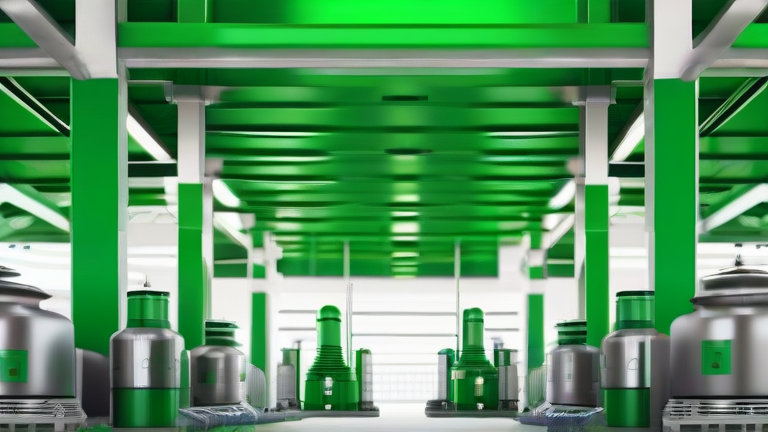
Green Hydrogen Powers Heavy Industry: A Sustainable Future
The global industrial landscape is standing at a critical juncture. For decades, heavy industries such as steelmaking, cement production, and chemical manufacturing have relied heavily on fossil fuels to generate the intense heat and chemical reactions required for production. This dependency has resulted in approximately thirty percent of global carbon dioxide emissions, posing a significant threat to climate goals. However, a transformative shift is underway, driven by the rapid advancement of green hydrogen technology. This clean energy carrier, produced by splitting water using renewable electricity, offers a viable pathway to decarbonize sectors that are notoriously difficult to electrify directly.
Recent developments in electrolyzer technology have been nothing short of revolutionary. Companies are now deploying alkaline and proton exchange membrane (PEM) electrolyzers with efficiencies exceeding seventy-five percent, a significant leap from previous generations. These advanced systems can ramp up and down quickly, allowing them to balance intermittent renewable energy sources like wind and solar power effectively. For instance, recent pilot projects in Scandinavia have demonstrated the integration of offshore wind farms with large-scale hydrogen production facilities, ensuring that excess energy is stored chemically rather than wasted. This synergy between variable renewable energy and flexible hydrogen production marks a new era in energy infrastructure management.
If you want to dig deeper, check out our guide on Lab-Grown Meat Clears Major Regulatory Hurdles.
The specifications of modern green hydrogen projects are becoming increasingly impressive. Current industrial-scale plants are designed to produce between ten and fifty tons of hydrogen per day, with larger facilities aiming for capacities exceeding one hundred tons daily. The cost of production, often measured in dollars per kilogram, has dropped significantly due to economies of scale and technological improvements. Analysts project that by 2030, green hydrogen could achieve cost parity with gray hydrogen, which is produced from natural gas, making it a commercially attractive option without heavy subsidies. Furthermore, the purity levels of electrolytic hydrogen are exceptionally high, often exceeding ninety-nine point nine percent, which is crucial for sensitive applications like fuel cell vehicles and high-precision chemical synthesis.
The impact on heavy industry is profound. In the steel sector, hydrogen is being tested as a direct replacement for coal in the reduction of iron ore. Traditional blast furnaces rely on coke, which releases substantial CO