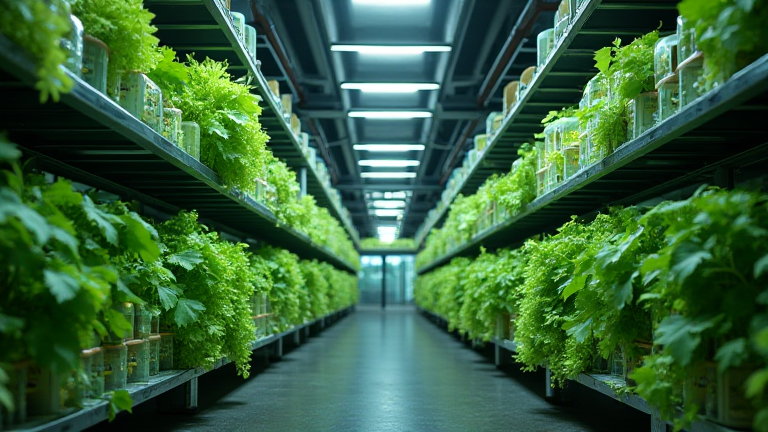
TL;DR: Vertical farming scales urban food production by utilizing stacked layers and controlled-environment agriculture to maximize yield per square foot while minimizing resource consumption. This innovative approach ensures a consistent, year-round supply of nutrient-dense produce directly within city limits, drastically reducing transportation emissions and enhancing food security for dense populations.
Redefining the Urban Pantry
As metropolitan areas continue to expand, the traditional model of agriculture faces insurmountable logistical and environmental hurdles. Long supply chains mean produce loses nutritional value before it ever reaches your plate. Vertical farming offers a revolutionary solution, transforming unused urban spaces like abandoned warehouses and high-rise rooftops into lush, productive ecosystems. By stacking growing trays vertically and employing sophisticated hydroponic or aeroponic systems, growers can produce up to 100 times more food per square foot than conventional farming methods. This density is not just about quantity; it is about quality and accessibility.
The Science Behind the Greens
At the heart of vertical farming lies precise environmental control. Unlike outdoor farming, which is subject to weather volatility, pests, and soil degradation, indoor farms operate in sterile, controlled environments. LED lighting systems are tuned to specific spectrums that optimize photosynthesis, ensuring plants grow faster and more efficiently. Research published in the *Journal of Agricultural Science* indicates that crops grown in controlled-environment agriculture often contain higher levels of antioxidants and vitamins because they are harvested at peak ripeness and consumed almost immediately. Furthermore, these systems use up to 95% less water than traditional field farming by recirculating nutrient solutions. This closed-loop system prevents runoff pollution and preserves precious freshwater resources, making it a cornerstone of sustainable urban development.
Integrating Farm-Fresh Nutrition into Your Lifestyle
The benefits of vertical farming extend beyond the environment; they directly impact your personal health and daily routine. Access to hyper-local produce means you can incorporate more fresh vegetables into your diet without the guilt of high-carbon footprints. To leverage this, consider joining a local urban farm subscription box or visiting nearby vertical farms that offer public tours. These experiences provide educational insights into modern agriculture and inspire healthier cooking habits. Start by incorporating leafy greens like kale, spinach, and microgreens into your morning smoothies or salads. These crops are staples of vertical farming due to their rapid growth cycles and high nutrient density.
Additionally, understanding the science of nutrition can help you make better choices. For instance, microgreens contain up to 40 times more nutrients than their mature counterparts. By choosing locally grown, nutrient-rich options, you support both your gut health and the local economy. It is also worth noting that reduced pesticide use in indoor farms means fewer harmful chemicals entering your body. This clean eating approach aligns with the growing wellness trend of “farm-to-table,” but with a technological twist that guarantees freshness and safety.
Future-Proofing Our Food Systems
Vertical farming is not merely a trend; it is a necessary evolution in how we sustain growing urban populations. As climate change threatens traditional agricultural yields, these high-tech farms provide resilience against droughts, floods, and extreme temperatures. For the health-conscious individual, this means a reliable source of fresh, organic produce regardless of the season. Embracing this technology means supporting a future where food is grown sustainably, locally, and nutritiously. By advocating for and participating in the vertical farming movement, you contribute to a healthier planet and a healthier self. The future of food is vertical, and it is greener than ever before.
FAQ
Q: Is vertical farming truly sustainable?
A: Yes, because it uses significantly less water and land than traditional farming, eliminates the need for chemical pesticides, and drastically reduces transportation emissions by locating farms within urban centers.
If you want to dig deeper, check out our guide on Top 10 Emerging Trends Shaping 2024: What You Need to Know.
Q: How does vertical farming affect the nutrient content of produce?
A: Studies show that produce grown in controlled environments often retains higher levels of vitamins and antioxidants because it is harvested at peak maturity and consumed shortly after, minimizing nutrient degradation during transit.
Q: Can I access food from vertical farms in my city?
A: Increasingly, yes. Many vertical farms partner with local grocery stores, restaurants