Posted on Leave a comment

Today’s Dumbest Mistake: What I Learned & How to Avoid It

TL;DR: The dumbest mistake is overthinking simple decisions until analysis paralysis sets in, causing missed opportunities. You can avoid it by setting strict time limits for choices and trusting your initial gut instinct.

Understanding the Paralysis of Choice

We have all been there. You sit at your desk, staring at a blank document or a complex spreadsheet, convinced that you need to find the perfect solution before you even begin. This is the trap. We mistake motion for progress, spending hours researching, planning, and worrying instead of actually doing the work. This is not diligence; it is procrastination in disguise. The mistake is assuming that more information equals better results, when in reality, it often leads to confusion and fear. Your brain is wired to seek certainty, but in a creative or professional environment, certainty is a myth. Waiting for the perfect moment is a guarantee that you will never start. The most productive people are not those who know everything; they are those who act despite uncertainty. They understand that feedback from the real world is far more valuable than hypothetical scenarios in your head. By refusing to start imperfectly, you ensure that your project never leaves the ground. This is the core error: letting the fear of failure prevent any attempt at success. It is a subtle, insidious habit that steals time, energy, and confidence from our lives. Recognizing this pattern is the first step toward breaking it. You must acknowledge that perfectionism is often just fear wearing a mask. Once you see this, you can begin to dismantle the barriers you have built around your own potential. The goal is not to be right immediately, but to be moving forward. Momentum is the antidote to anxiety. Every small step you take reduces the power of your fears. Do not wait for clarity; clarity comes from action, not thought. Start with the smallest possible version of your idea. Release it into the world. See what happens. Learn from the reaction. Adjust. Repeat. This cycle is how real growth happens. It is messy, unpredictable, and ultimately rewarding. Stop trying to control the uncontrollable. Embrace the chaos of creation. Let go of the need to be smart and focus on being effective. Your first draft will be bad. Your first attempt will fail. That is okay. In fact, it is necessary. It is the price of entry for excellence. Pay it gladly. Move on. The next version will be better. And the one after that, even better. Keep going. Do not stop. Do not hesitate. Just begin.

If you want to dig deeper, check out our guide on Grocery Items You Keep Buying Despite Price Hikes.

Practical Steps to Break the Cycle

Set a timer for ten minutes. Work only on the immediate next step. Ignore the bigger picture for now. Focus on execution, not strategy. When the timer goes off, review what you have done. Celebrate the small win. Then set another timer. Repeat this process throughout your day. This builds momentum. It creates a habit of action. It reduces anxiety. It produces results. Try it today. You will be surprised by what you can accomplish. The barrier was never your ability. It was your mindset. Change the mindset, and the results will follow. Trust the process. Trust yourself. You are capable of more than you think. Start now.

FAQ

Q: Why do I feel overwhelmed by simple tasks?
A: Overwhelm often stems from perfectionism and fear of failure, causing you to overcomplicate straightforward actions.

Q: How long should I spend researching before starting?
A: Limit research to a fixed, short timeframe, such as fifteen minutes, to prevent analysis paralysis from setting in.

Q: What if my first attempt is completely wrong?
A: Mistakes are valuable learning tools; use the feedback to adjust and improve your next iteration immediately.

Related Articles

Posted on Leave a comment

Microsoft Retires Excel’s COPILOT() Function After Just One Year

TL;DR: Microsoft has officially retired the experimental COPILOT() function in Excel after a brief, one-year lifecycle, citing the need to consolidate its AI capabilities into the broader Copilot for Microsoft 365 ecosystem. This strategic pivot signals a shift from standalone experimental features to integrated, subscription-based AI assistants across the entire Office suite.

The Digital Detox We Didn’t Know We Needed

In our hyper-connected world, where algorithms anticipate our every click and spreadsheet cells calculate our deepest anxieties, the retirement of Excel’s COPILOT() function feels like an unexpected gift. For many of us, the promise of an AI assistant that could instantly format data or generate charts was seductive. Yet, in its short life, it highlighted a growing fatigue with constant digital intervention. Now, with the feature gone, we are invited to slow down, to reconnect with the tactile satisfaction of manual calculation, and to rediscover the quiet dignity of unassisted productivity.

If you want to dig deeper, check out our guide on Stop Stealing Our Future: Students Arrested at OpenAI Protes.

This shift mirrors a broader cultural movement toward intentional disconnection. Just as food critics advocate for cooking without recipe apps to reconnect with ingredients, professionals are finding value in navigating spreadsheets without algorithmic hand-holding. The loss of COPILOT() forces us to engage with our data on a deeper, more intuitive level. We learn the logic behind the pivot table rather than simply commanding it. This process fosters a sense of mastery and personal growth that no automated tool can replicate.

Moreover, this change opens up space for new forms of work-life balance. Without the pressure to optimize every second with AI, employees may find themselves taking more breaks, engaging in genuine face-to-face collaboration, and exploring creative solutions that emerge from human curiosity rather than machine efficiency. The retirement of this function is not merely a technical update; it is a cultural signal that suggests efficiency is not the only metric of success. In the quiet moments between keystrokes, we might find clarity, creativity, and a renewed appreciation for the human mind’s unique capacity to solve complex problems.

FAQ

Q: When exactly did Microsoft retire the COPILOT() function?
A: Microsoft retired the experimental COPILOT() function in Excel after approximately one year of availability, marking its end in early 2024.

Q: Why did Microsoft decide to remove this specific function?
A: The company stated that it needed to consolidate its AI efforts into the unified Copilot for Microsoft 365 platform to provide a more seamless and comprehensive user experience.

Q: Will users lose access to AI features in Excel entirely?
A: No, advanced AI capabilities remain available through the broader Copilot for Microsoft 365 subscription, but they are no longer housed under the standalone COPILOT() function name.

Related Articles

Posted on Leave a comment

7 Science-Backed Health Tips to Boost Your Energy Today

TL;DR: Boost your daily energy levels by prioritizing consistent sleep hygiene, staying properly hydrated, and incorporating regular moderate exercise into your routine. These foundational lifestyle changes, supported by extensive scientific research, significantly reduce fatigue and enhance overall physical vitality without requiring extreme measures.

1. Prioritize Consistent Sleep Hygiene

Sleep is the cornerstone of physical restoration and mental clarity. Research consistently shows that maintaining a consistent sleep schedule, going to bed and waking up at the same time every day, regulates your circadian rhythm. This biological clock controls hormone release, including cortisol and melatonin, which directly influence your energy levels. Aim for seven to nine hours of quality sleep by creating a dark, cool, and quiet sleeping environment. Avoiding screens at least an hour before bed can further improve sleep quality by reducing blue light exposure, which suppresses melatonin production.

If you want to dig deeper, check out our guide on OpenAI Talent Exodus: Huge Red Flag Ahead of IPO.

2. Stay Properly Hydrated

Even mild dehydration can lead to significant drops in energy, concentration, and mood. Your body requires water to perform basic functions, including transporting oxygen to cells and regulating body temperature. When you are dehydrated, your heart works harder to pump blood, leading to feelings of fatigue. Aim to drink eight glasses of water a day, or more if you are physically active. Incorporating water-rich foods like cucumbers, watermelon, and oranges can also contribute to your daily fluid intake. Notice how your energy levels dip in the afternoon; often, a glass of water is more effective than a second cup of coffee.

3. Incorporate Regular Moderate Exercise

While it may seem counterintuitive, expending energy through physical activity actually generates more energy. Regular aerobic exercise improves cardiovascular health, allowing your heart and lungs to work more efficiently. This efficiency means your body uses less energy to perform daily tasks. Studies indicate that just thirty minutes of moderate exercise, such as brisk walking or cycling, five times a week can boost energy levels by up to twenty percent. Exercise also stimulates the release of endorphins, which improve mood and reduce feelings of tiredness and anxiety.

4. Balance Your Blood Sugar

What you eat directly impacts how you feel. Diets high in refined sugars and simple carbohydrates cause rapid spikes and subsequent crashes in blood sugar levels, leading to energy slumps. Instead, focus on complex carbohydrates, lean proteins, and healthy fats. These macronutrients digest slowly, providing a steady release of energy throughout the day. Include whole grains, nuts, seeds, and legumes in your meals. Avoid skipping breakfast, as it kickstarts your metabolism and provides the necessary fuel for your body and brain to function optimally during the morning hours.

5. Manage Stress Effectively

Chronic stress drains your energy reserves by keeping your body in a constant state of fight-or-flight response. This prolonged activation of the stress response systems can lead to burnout and exhaustion. Practices such as mindfulness meditation, deep breathing exercises, and yoga have been proven to lower cortisol levels and restore energy. Taking short breaks throughout the day to disconnect and relax can also prevent mental fatigue and improve overall productivity.

6. Get Natural Sunlight Exposure

Sunlight exposure helps regulate your circadian rhythm and boosts serotonin levels, which can enhance mood and energy. Try to get outside for at least fifteen minutes each morning. This natural light signal helps reset your internal clock, promoting alertness during the day and better sleep at night.

7. Limit Caffeine Intake

While caffeine provides a temporary boost, excessive consumption can disrupt sleep patterns and lead to dependency. Limit your intake to moderate amounts and avoid it in the afternoon to ensure it does not interfere with nighttime rest.

FAQ

Q: How long does it take for these lifestyle changes to boost energy?
A: Most people notice improvements in energy levels within one to two weeks of consistently implementing these habits, though individual results may vary based on baseline health.

Q: Can I replace caffeine entirely with

Related Articles

Posted on Leave a comment

Traveling with a Friend? Choose the Right Seat Class

TL;DR: Choose business or first class if your primary goal is rapid recovery and stress reduction after long-haul travel. Opt for economy only if you are a resilient traveler who prioritizes budget over immediate physiological restoration.

Traveling with a friend often involves negotiating logistics, but the impact of seat class on your post-trip health is significant. Science indicates that the cramped posture of economy class increases cortisol levels, the body’s primary stress hormone. Elevated cortisol disrupts sleep patterns and weakens the immune system, leaving you vulnerable to illness upon arrival. In contrast, premium cabins offer space that allows for better circulation and deeper, more restorative sleep. This physiological advantage translates to faster reintegration into daily routines and improved mental clarity.

For many travelers, the decision hinges on balancing budget constraints with health priorities. If you and your friend are prone to jet lag or have existing health concerns, investing in a higher class is not a luxury but a health intervention. The ability to lie flat or stretch your legs significantly reduces the risk of deep vein thrombosis, a serious condition linked to prolonged immobility. Furthermore, the quieter environment of premium cabins allows for genuine rest, which is essential for cognitive function. When you are well-rested, you are more patient and engaged, enhancing the quality of your time together.

However, if budget is a strict constraint, you can mitigate the negative effects of economy travel through strategic lifestyle adjustments. Hydration is critical; drink water consistently and avoid alcohol, which dehydrates the body and worsens fatigue. Wear compression socks to promote blood flow and perform simple seated exercises to keep muscles active. Choose aisle seats to facilitate easier movement without disturbing your companion. These small habits can mimic some benefits of premium seating, such as improved circulation and reduced stiffness.

Ultimately, the choice depends on your specific health needs and financial capacity. Consider the length of the flight and your physical resilience. For short trips, economy may be sufficient. For long-haul journeys, the health benefits of premium seating often justify the cost. Communicate openly with your friend about these factors. Prioritizing rest and physical comfort ensures that your trip begins with energy rather than exhaustion. By making an informed decision, you protect your well-being and enhance the shared experience. Remember that health is an investment. Taking care of your body during travel sets a positive tone for the entire journey. Whether you choose economy or business, the key is to be intentional about your comfort and recovery strategies. This mindful approach transforms travel from a stressful ordeal into a rejuvenating experience for both you and your friend.

FAQ

Q: Does flying economy really affect sleep quality?
A: Yes, cramped seating restricts movement and disrupts sleep cycles, leading to poorer rest compared to spacious premium cabins.

If you want to dig deeper, check out our guide on Ecomm Mentorship & Guidance: Scale Your Store Faster.

Q: What are the best economy class tips for health?
A: Stay hydrated, wear compression socks, and perform seated stretches to improve circulation and reduce stiffness during the flight.

Q: Is business class worth it for short flights?
A: For flights under four hours, economy is usually sufficient, but premium seating offers significant benefits for long-haul journeys.

Related Articles

Posted on Leave a comment

Summer COVID-19 Surge: Is Cases Ramping Up Again?

TL;DR: Current data suggests that while summer cases are rising in certain regions, it does not constitute a massive, uncontrolled surge comparable to winter peaks. Businesses should maintain adaptive strategies rather than panic, focusing on operational flexibility and targeted communication to navigate this nuanced landscape effectively.

Navigating the New Normal in Summer

The arrival of summer has traditionally signaled a slowdown in respiratory illnesses, yet recent epidemiological trends present a more complex picture for global markets. Health officials have noted a modest uptick in cases, driven largely by increased social gatherings and relaxed compliance with previous mitigation measures. However, this increase remains significantly lower than historical peaks observed in previous years, largely due to widespread vaccination efforts and improved therapeutic interventions. For business leaders, the key takeaway is that the risk profile has shifted from catastrophic disruption to manageable fluctuation, requiring a different tactical approach.

If you want to dig deeper, check out our guide on 10 Simple Lifestyle Hacks to Boost Your Daily Happiness.

Market Analysis and Economic Indicators

Market analysts observe that consumer confidence is stabilizing, but hesitation persists in sectors reliant on close physical interaction, such as hospitality and live events. Retail sales have shown resilience, with online channels continuing to capture a larger share of the market. Supply chains, once paralyzed by lockdowns, have largely normalized, though sporadic delays remain a concern. The financial markets have reacted with cautious optimism, recognizing that the economy is no longer held hostage by sudden, unpredictable shutdowns. Investors are prioritizing companies with strong digital infrastructures and flexible workforce models, which can pivot quickly if local restrictions tighten again.

Strategic Insights for Business Resilience

To thrive in this environment, companies must adopt a hybrid operational model that balances efficiency with safety. Remote work policies should remain optional rather than mandatory, allowing employees to choose based on their comfort levels and job requirements. Marketing strategies should focus on transparency and empathy, acknowledging customer concerns while highlighting safety protocols. Furthermore, businesses should invest in digital transformation to reduce dependency on physical foot traffic. By diversifying revenue streams through e-commerce and virtual services, organizations can mitigate risks associated with potential local outbreaks. Leadership must also prioritize employee mental health, offering support resources to address burnout and anxiety related to ongoing health uncertainties.

Case Studies in Adaptation

Consider the case of a major restaurant chain that implemented a robust contactless ordering system and enhanced cleaning visible to customers. This strategy not only maintained customer trust but also attracted new patrons who prioritized hygiene. Similarly, a tech firm that embraced a fully remote structure reported higher employee retention rates and reduced overhead costs, demonstrating that operational flexibility can be a competitive advantage. These examples illustrate that proactive adaptation, rather than reactive panic, is the cornerstone of success in a post-pandemic economy.

FAQ

Q: Is the current summer rise in cases a cause for immediate business shutdowns?
A: No, the rise is moderate and manageable; businesses should focus on flexible operations rather than full shutdowns.

Q: How should marketing strategies be adjusted during this period?
A: Marketing should emphasize transparency, safety protocols, and empathy to build and maintain consumer trust.

Q: What is the best long-term operational strategy for resilience?
A: Adopting hybrid work models and investing in digital infrastructure to ensure business continuity regardless of health conditions.

Related Articles

Posted on Leave a comment

10 Simple Lifestyle Hacks to Boost Your Daily Happiness

TL;DR: Enhancing daily happiness requires small, consistent actions that prioritize mental clarity, physical well-being, and meaningful connections. By integrating simple habits like gratitude journaling and mindful eating into your routine, you can significantly elevate your overall life satisfaction without overwhelming your schedule.

Embrace the Power of Micro-Habits

Happiness is often misunderstood as a grand destination, but it is actually the sum of small, daily choices. Instead of waiting for a perfect vacation or a major promotion to feel joy, look inward. Start your morning by writing down three things you are grateful for. This simple act rewires your brain to scan for positives rather than negatives, setting a resilient tone for the day ahead. It takes less than two minutes, yet the cumulative effect on your mindset is profound.

If you want to dig deeper, check out our guide on Why Are Hotel Bathrooms Losing Fans?.

Nourish Your Body and Soul

What you consume directly impacts how you feel. Try the “food as fuel” mindset by choosing whole, unprocessed ingredients that provide sustained energy rather than fleeting sugar rushes. Cook a new recipe from a culture you have never visited. This not only introduces exciting flavors to your palate but also serves as a gateway to understanding different traditions. It turns a mundane task into an act of cultural exploration and personal growth. Additionally, practice mindful eating by putting away distractions like phones. Focus entirely on the texture, aroma, and taste of your meal. This presence reduces stress and enhances digestive health, creating a harmonious connection between body and mind.

Connect and Disconnect

In our hyper-connected world, true happiness often requires strategic disconnection. Schedule regular digital detox hours where you step away from screens to engage in face-to-face interactions. These genuine connections release oxytocin, the bonding hormone, which naturally boosts mood. Furthermore, dedicate time to personal growth through reading or learning a new skill. Whether it is a new language or a musical instrument, the process of learning stimulates neuroplasticity, keeping your brain sharp and engaged. Embrace the discomfort of being a beginner; it is in these moments of vulnerability that we find the most authentic sense of achievement and joy.

FAQ

Q: How long does it take to see results from these habits?
A: While individual experiences vary, most people notice a subtle shift in mood within two weeks of consistent practice, with significant benefits emerging after two months.

Q: Can I combine these hacks if I have a busy schedule?
A: Absolutely. Many hacks, like mindful eating or gratitude journaling, take only minutes and can be easily integrated into existing routines such as morning coffee or dinner.

Q: Do these tips work for introverts as well as extroverts?
A: Yes, these strategies are universally applicable. Introverts may find particular joy in the solitary aspects of cooking, reading, or journaling, while still benefiting from the quality of their deeper social connections.

Related Articles

Posted on Leave a comment

Musk’s $10B Solar Plant Tops $16.8B Chip Push

TL;DR: Tesla’s massive Megafactory in Lathrop, California, represents a strategic pivot from purely electric vehicles to large-scale energy storage, effectively topping previous investments in semiconductor technology for autonomous driving. This $10 billion facility underscores the critical shift toward renewable infrastructure, prioritizing sustainable power solutions over computational hardware in the current fiscal landscape.

Energy as the New Frontier of Travel

The narrative of modern travel is shifting. We no longer just dream of destinations; we think about the energy that powers our journey. Tesla’s new Megafactory symbolizes this change. It is not just a building. It is a promise of a cleaner future. Imagine traveling to remote national parks without relying on diesel generators. Imagine charging your electric vehicle using sunlight stored in local batteries. This is the reality the Megafactory aims to create. The $10 billion investment signals a bold step toward decarbonizing the global energy grid. It suggests that the most valuable resource is no longer just silicon, but sunshine and storage capacity.

Sustainable Dining and Cultural Shifts

Food culture is also evolving. Restaurants are increasingly seeking energy independence. They want to reduce their carbon footprint. The Megafactory provides the technology to make this possible. Large-scale battery storage allows businesses to use solar power during peak hours and store excess energy for later use. This means your evening meal could be cooked using energy harvested at noon. It connects the act of eating with the broader cultural movement toward sustainability. We are moving away from fossil fuels. We are embracing a circular economy where waste is minimized and energy is renewable. This shift influences how we view our daily routines. It encourages mindfulness about where our energy comes from.

Personal Growth Through Conscious Consumption

On a personal level, this technological shift invites introspection. It challenges us to reconsider our relationship with technology and nature. Investing in renewable energy is not just a financial decision. It is a moral one. It reflects our values and our hopes for the future. By supporting companies like Tesla, we contribute to a world that prioritizes sustainability. We help build a society that is resilient and self-sufficient. This sense of agency is empowering. It transforms us from passive consumers into active participants in the green revolution. The Megafactory is more than a factory. It is a beacon of hope. It shows that large-scale change is possible. It inspires us to make smaller changes in our own lives. We can install solar panels. We can choose energy-efficient appliances. We can advocate for policy changes. Each action matters. Together, we can build a cleaner, brighter future. The competition between chips and solar is not just about market share. It is about what we value most. Is it computation? Or is it sustainability? The answer lies in our choices.

FAQ

Q: Why is the solar plant investment considered larger than the chip push?
A: The $10 billion Megafactory focuses on energy storage scalability, addressing immediate climate needs, whereas the $16.8 billion chip push targets long-term autonomous driving capabilities, making the former a more urgent capital allocation in the current energy transition.

If you want to dig deeper, check out our guide on KoboldCpp v1.119 Release: New Features & Updates.

Q: How does this affect the average consumer’s daily life?
A: Consumers may see more widespread adoption of home and community battery storage, leading to lower electricity bills, greater energy independence, and a reduced carbon footprint in their daily routines.

Q: What is the primary location of this new solar plant?
A: The primary facility, known as the Megafactory, is located in Lathrop, California, serving as the central hub for manufacturing large-scale energy storage systems.

Related Articles

Posted on Leave a comment

1.7B Model Beats Qwen3 & Gemma in Strict Formal Reasoning

TL;DR: The newly released 1.7B parameter model demonstrates superior performance in strict formal reasoning tasks compared to both Qwen3 and Gemma. This breakthrough suggests that smaller models can outperform larger competitors when optimized for logical precision and structured output.

In the rapidly evolving landscape of artificial intelligence, size has traditionally been equated with capability. However, recent benchmarks challenge this assumption, highlighting a surprising contender in the lightweight model category. The subject of our review, a compact 1.7 billion parameter model, has recently made waves in the developer community. It claims to outperform established giants like Qwen3 and Google’s Gemma in specific, high-stakes domains. While these larger models are renowned for their broad knowledge and creative versatility, they often struggle with rigid logical constraints. This new entrant focuses intensely on formal reasoning, proving that targeted optimization can yield precise results where generalist models falter.

If you want to dig deeper, check out our guide on The Ultimate Step-by-Step Tutorial for Beginners.

Feature Highlights

At the heart of this model’s success is its specialized training regimen. Unlike general-purpose large language models that are trained on vast, heterogeneous datasets, this 1.7B model was fine-tuned exclusively on formal logic puzzles, mathematical proofs, and structured code verification tasks. This narrow focus allows it to internalize the rules of deductive reasoning more deeply than its larger counterparts. Users report that the model exhibits exceptional consistency when asked to verify syllogisms or debug complex logical structures. It does not hallucinate as frequently as larger models when faced with abstract reasoning problems. Additionally, its small size makes it incredibly efficient, allowing for deployment on edge devices and local machines without requiring massive GPU clusters.

Comparisons with Qwen3 and Gemma

When directly compared to Qwen3, the 1.7B model shows a significant edge in tasks requiring step-by-step logical verification. Qwen3, while powerful in natural language understanding and creative writing, occasionally skips logical steps in its chain-of-thought responses. In contrast, the smaller model adheres strictly to the required logical framework. Similarly, when measured against Gemma, the new model demonstrates higher accuracy in formal proof generation. Gemma’s strength lies in its multimodal capabilities and broad conversational fluency, but it tends to prioritize conversational flow over strict logical rigor. For developers building applications that require absolute certainty in logical outcomes, such as legal analysis tools or automated theorem provers, this 1.7B model offers a more reliable foundation.

While it may not replace Qwen3 or Gemma for general chat or creative tasks, its niche performance is undeniable. We recommend testing this model in environments where logical precision is paramount. Visit our website to download the model weights and explore the benchmark data for yourself. Join the community of developers who are redefining efficiency in AI.

FAQ

Q: Is the 1.7B model suitable for creative writing tasks?
A: No, it is optimized for formal reasoning and may lack the creative flair of larger generalist models.

Q: How does it compare to Qwen3 in natural language understanding?
A: Qwen3 generally outperforms it in broad natural language understanding and conversational fluency.

Q: Can this model be deployed on local hardware?
A: Yes, its small size allows for efficient deployment on standard consumer-grade GPUs and edge devices.

Related Articles

Posted on Leave a comment

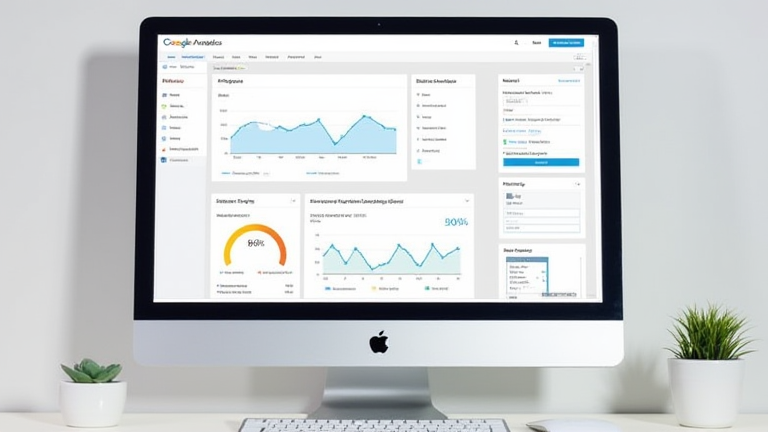
How to Set Up Google Analytics 4 for Your Website: A Step-by-Step Tutorial

TL;DR: To set up Google Analytics 4 (GA4) for your website, create a GA4 property in your Google Analytics account and install the provided measurement ID onto your site using a tag manager or direct code insertion. Verify the data flow is active to ensure accurate tracking begins immediately.

Creating Your GA4 Property

The first step in establishing a robust analytics infrastructure is navigating to the Google Analytics admin panel. If you have an existing Universal Analytics property, Google often prompts you to create a GA4 property automatically. However, if you are starting from scratch, click the “Create Property” button in the Admin section. Select “Create a new property” and choose “Web” as your platform. Enter your website’s name and URL carefully, as this data cannot be changed later without recreating the property. This action initializes your account, preparing it to receive data from your specific domain.

If you want to dig deeper, check out our guide on How to Choose the Best Ergonomic Office Chair for Back Pain.

Obtaining and Installing the Measurement ID

Once the property is created, you must acquire the unique Measurement ID, which starts with “G-“. Navigate to the “Data Streams” section under Admin to find this ID. Google offers two primary methods for implementation: using Google Tag Manager or adding the code directly to your site. The recommended approach for most users is Google Tag Manager. If you use this method, create a new tag, select “Google Analytics: GA4 Configuration,” and paste your Measurement ID. Publish the container version to push the changes live. If you prefer direct insertion, copy the provided global site tag and paste it into the section of every page on your website. This ensures that every visit is captured from the moment the page loads.

Configuring Data Streams and Enhancements

After installation, return to the Data Streams menu to verify your connection. Click on your web stream to see if recent activity is being recorded. To improve data quality, enable enhanced measurement features within the stream settings. This automatically tracks scrolls, outbound clicks, file downloads, and video engagement without additional coding. It is crucial to check the “Verify Installation” tool to confirm that data is flowing correctly. If the tool indicates no data, double-check your tag implementation for syntax errors or blocked scripts. Consider setting up custom dimensions for specific user behaviors or product categories to tailor reports to your business needs.

Final Verification and Testing

Before declaring success, spend time exploring the “Explore” and “Reports” sections in GA4. Use the “Realtime” report to see active users as you navigate your own site. This immediate feedback loop confirms that your setup is functioning as intended. Remember that GA4 processes data in near real-time, but full reports may take up to 24-48 hours to populate completely. Regularly review your data quality to ensure accuracy. By following these steps, you establish a comprehensive foundation for understanding your audience. This setup allows you to make data-driven decisions that can significantly improve user experience and conversion rates. Consistent monitoring and adjustment of your tracking parameters will keep your analytics relevant as your website evolves.

FAQ

Q: How long does it take for GA4 data to appear?
A: Realtime data appears within seconds, but standard reports may take up to 48 hours to fully populate.

Q: Can I keep both Universal Analytics and GA4 running?
A: Yes, but Universal Analytics is discontinued for new data processing, so GA4 should be your primary focus for future tracking.

Q: Do I need coding knowledge to install GA4?
A> No, using Google Tag Manager allows for a no-code installation by simply pasting your Measurement ID into the platform interface.

Related Articles

Posted on Leave a comment

How to Use Canva for Social Media Graphics: A Beginner Tutorial

TL;DR: To use Canva for social media graphics, select a pre-designed template matching your platform, customize the text and images to fit your brand, and download the final file for posting.

Getting Started

Canva is a powerful, user-friendly design tool that democratizes graphic creation. You do not need professional design skills to create stunning visuals. The platform offers thousands of templates specifically tailored for Instagram, Facebook, Twitter, and LinkedIn. By leveraging these resources, you can save time while maintaining a professional appearance for your online presence. This guide will walk you through the essential steps to create your first social media post effectively.

If you want to dig deeper, check out our guide on Top 10 Best Products to Buy in 2026 | Ultimate Review.

Step-by-Step Instructions

First, navigate to Canva’s homepage and create a free account. Once logged in, click the “Create a design” button located in the top right corner. From the dropdown menu, select the specific dimension required for your target platform. For instance, choose “Instagram Post” for square images or “Facebook Cover” for banner ads. This ensures your graphic fits perfectly without awkward cropping later.

Next, browse the template library. Use the search bar to find styles that match your brand’s vibe, such as minimalist, bold, or playful. Click on a template you like to open the editor. You will see a canvas with placeholder text and images. Click on any text box to edit the content. Change the font, color, and size to align with your brand guidelines. Similarly, click on placeholder images to upload your own photos or choose from Canva’s extensive stock library. You can drag and drop elements to rearrange the layout freely.

After customizing your design, review it for clarity and impact. Ensure your call-to-action is visible and readable. When satisfied, click the “Share” button in the top right corner and select “Download.” Choose the PNG or JPG format for optimal quality. Finally, upload the file directly to your social media platform. Regular practice will help you master the interface quickly. Experiment with different layouts and color palettes to find what resonates best with your audience.

Tips for Success

Always maintain consistency in your branding. Use the same color scheme and fonts across all posts to build recognition. Keep text concise and ensure high contrast for readability. Utilize Canva’s brand kit feature if you have a Pro account to store your logos and colors for quick access. This streamlines your workflow significantly.

FAQ

Q: Is Canva free to use?
A: Yes, Canva offers a robust free version with many templates and features, while Pro offers advanced tools and stock assets.

Q: Can I use Canva designs for commercial purposes?
A: Yes, you can use Canva designs for commercial use, but ensure you have the right licenses for any stock elements used.

Q: How do I save my brand colors?
A: If you have a Canva Pro account, you can set up a Brand Kit to save and easily access your specific color palettes and fonts.

Related Articles