Posted on Leave a comment

Stop Chasing More Customers: Why Retention Is the Real Problem

TL;DR: Acquiring new customers is significantly more expensive than retaining existing ones, making retention the critical lever for sustainable profitability. Companies that prioritize customer loyalty often outperform competitors who focus solely on aggressive acquisition strategies.

The High Cost of Acquisition

In the modern digital marketplace, the obsession with customer acquisition has reached a fever pitch. Marketing budgets are increasingly allocated to top-of-funnel activities, driven by the belief that more leads equal more revenue. However, this mindset ignores a fundamental economic reality: acquiring a new customer can cost five to twenty-five times more than retaining an existing one. This disparity creates a fragile business model where growth is perpetually dependent on continuous, costly investment rather than organic, profitable expansion.

If you want to dig deeper, check out our guide on Are You a Supplement Founder? Here’s Why It Matters.

Market Analysis: The Shift to Loyalty

Recent market analysis indicates a significant shift in consumer behavior. With saturation in many industries, customers are becoming increasingly selective. They are less likely to switch brands unless there is a compelling reason, such as superior service or personalized experiences. Furthermore, the rise of subscription-based models has highlighted the importance of recurring revenue. Businesses that focus on retention benefit from higher lifetime value (LTV) and lower churn rates. This stability allows for better forecasting and more efficient resource allocation. In contrast, companies with high churn rates face a “leaky bucket” scenario, where revenue constantly escapes due to neglect of existing clients.

Strategy Insights: Building Retention Engines

To combat this, businesses must implement robust retention strategies. Personalization is key. Using data analytics to understand customer preferences allows companies to tailor communications and offers, enhancing relevance and engagement. Additionally, proactive customer support plays a crucial role. Resolving issues before they escalate prevents dissatisfaction and builds trust. Loyalty programs should also be reimagined; they must offer genuine value rather than superficial discounts. By creating emotional connections, brands can turn satisfied customers into advocates who drive organic growth through word-of-mouth.

Case Studies: Success Through Retention

Consider the example of a leading e-commerce platform that shifted its focus from acquisition to retention. By implementing a personalized recommendation engine and a tiered loyalty program, they increased their customer retention rate by fifteen percent over two years. This simple change resulted in a forty percent increase in overall profitability, demonstrating the power of existing relationships. Another case involves a software-as-a-service provider that reduced churn by improving onboarding processes. By providing dedicated support during the initial setup phase, they ensured customers realized value quickly, leading to a twenty percent decrease in cancellations. These examples illustrate that retention is not just a cost center but a profit driver.

FAQ

Q: Why is customer retention more profitable than acquisition?
A: Retaining customers is cheaper because it eliminates the high costs associated with advertising and outreach needed to attract new buyers, while existing customers often spend more over time.

Q: What are the key metrics for measuring retention?
A: Key metrics include customer churn rate, customer lifetime value, net promoter score, and repeat purchase rate, which collectively indicate the health of customer relationships.

Q: How can small businesses improve retention without large budgets?
A: Small businesses can focus on personalized communication, exceptional customer service, and loyalty rewards that foster emotional connections, leveraging direct interaction rather than expensive mass marketing.


Related Articles

Posted on Leave a comment

7 Evidence-Based Health Tips to Boost Your Energy and Vitality Today

TL;DR: Boost your energy and vitality today by prioritizing seven hours of quality sleep, staying hydrated, and engaging in moderate physical activity. Incorporating nutrient-dense foods and managing stress through mindfulness can further enhance your daily vitality and long-term health outcomes.

The Science of Sustained Energy

In our fast-paced modern world, feeling perpetually tired is often mistaken for a normal state of being. However, chronic fatigue is frequently a signal that our lifestyle habits are misaligned with our biological needs. Evidence-based health strategies offer a robust framework for reclaiming your vitality, moving beyond temporary caffeine fixes to establish sustainable energy reserves. By understanding the physiological mechanisms behind energy production, you can make informed choices that support both immediate alertness and long-term wellness.

If you want to dig deeper, check out our guide on RNNs & RWKV: Thoughts on Next-Gen Language Generation.

First, prioritize sleep hygiene. Research consistently shows that adults require between seven and nine hours of sleep per night for optimal cognitive function and physical repair. Establishing a consistent sleep schedule helps regulate your circadian rhythm, ensuring that your body enters restorative deep sleep phases. Second, hydration is critical. Even mild dehydration can impair concentration and reduce physical endurance. Aim to drink water throughout the day, rather than waiting until you feel thirsty, as thirst is often a late indicator of fluid deficit.

Third, integrate movement into your daily routine. You do not need intense gym sessions to boost energy; a brisk twenty-minute walk can significantly increase blood flow and oxygen delivery to cells. Fourth, focus on balanced nutrition. Prioritize complex carbohydrates, lean proteins, and healthy fats to provide steady glucose levels, avoiding the sugar spikes and crashes associated with processed snacks. Fifth, manage stress effectively. Chronic stress elevates cortisol levels, which can deplete energy stores over time. Practices such as deep breathing or meditation can lower stress hormones and restore mental clarity.

Sixth, limit exposure to blue light in the evening to protect your melatonin production, which is essential for sleep quality. Finally, social connection plays a surprising role in vitality. Strong social ties are linked to lower stress levels and increased longevity. Engaging with supportive friends and family can provide emotional buffers against daily pressures. By implementing these seven tips, you create a holistic approach to health that addresses physical, mental, and emotional needs. Small, consistent changes yield significant results over time, transforming how you feel every single day. Remember, vitality is not a destination but a continuous practice of listening to your body’s needs and responding with care.

FAQ

Q: How much water should I drink daily to maintain energy?
A: A common recommendation is eight 8-ounce glasses, but individual needs vary based on activity level and climate; listen to your body and aim for pale yellow urine.

Q: Can short bursts of exercise really boost energy levels?
A: Yes, even five to ten minutes of moderate activity like walking or stretching can increase blood flow and oxygenation, providing an immediate mental and physical boost.

Q: What is the best time to eat for maximum energy?
A: Eating balanced meals at consistent times helps regulate blood sugar levels, preventing energy dips; aim for a protein-rich breakfast to start your day strong.

Related Articles

Posted on Leave a comment

10 Proven Business Growth Strategies for 2026

TL;DR: The most effective business growth strategies for 2026 involve leveraging AI-driven personalization and diversifying revenue streams through subscription models. Companies must prioritize sustainable operational efficiency to navigate the current economic volatility while capturing new market opportunities.

Navigating the 2026 Economic Landscape

The business environment in 2026 is defined by a complex interplay of technological acceleration and economic caution. Recent market analysis indicates that while global GDP growth has stabilized, consumer spending patterns have shifted significantly toward value-driven purchases and digital experiences. This shift has forced leaders to rethink traditional growth metrics. The era of rapid, unbridled expansion is being replaced by a focus on resilience, profitability, and customer lifetime value. Businesses that ignore these nuances risk obsolescence, while those that adapt quickly are poised to capture significant market share. The key differentiator is no longer just innovation speed, but the ability to integrate technology seamlessly into core operations without inflating overhead costs.

If you want to dig deeper, check out our guide on Top 10 Most Walkable Cities in the World to Visit.

Strategy Insight: AI-Driven Personalization

Artificial Intelligence has moved from a buzzword to a fundamental utility. The first proven strategy is the implementation of hyper-personalized customer experiences powered by machine learning. By analyzing vast datasets, companies can predict consumer behavior with unprecedented accuracy. This allows for dynamic pricing, tailored marketing campaigns, and proactive customer support. For instance, a major retail conglomerate reduced its customer acquisition costs by thirty percent in the last quarter by deploying AI algorithms that identified high-intent shoppers before they even completed a search. This strategy is not merely about using technology; it is about using data to create genuine value for the consumer, thereby fostering loyalty in a crowded marketplace.

Strategy Insight: Diversifying Revenue Streams

Reliance on a single product line or service is a significant vulnerability in today’s volatile economy. The second critical strategy is diversification through subscription models and recurring revenue streams. This approach provides predictable cash flow, which is essential for long-term planning and investment. A prominent software-as-a-service provider recently transitioned thirty percent of its one-time license sales into a tiered subscription model. This pivot resulted in a forty-five percent increase in annual recurring revenue and significantly improved customer retention rates. By locking in recurring income, businesses can better weather economic downturns and invest in further innovation with greater confidence.

Case Study: Operational Efficiency Through Automation

Efficiency is the third pillar of sustainable growth. A mid-sized logistics firm faced rising fuel costs and labor shortages. Instead of raising prices, they invested in an automated routing system that optimized delivery paths in real-time. This strategic move reduced fuel consumption by eighteen percent and improved delivery times by twenty-five percent. The case illustrates that growth does not always require expanding the workforce or acquiring new assets; sometimes, it requires optimizing existing resources through smart technology. This approach resonates with modern investors who prioritize operational excellence and margin improvement over top-line growth alone.

Conclusion

Success in 2026 demands a balanced approach. Leaders must embrace AI to enhance customer interactions, diversify income sources to ensure stability, and automate operations to maintain profitability. These strategies are not mutually exclusive; they form a cohesive framework for sustainable growth. By focusing on these proven methods, businesses can navigate uncertainty and emerge stronger. The companies that thrive will be those that view these strategies not as temporary fixes, but as fundamental shifts in their operational DNA. The future belongs to agile, data-driven, and customer-centric organizations that can adapt quickly to changing market conditions.

FAQ

Q: What is the most important growth strategy for 2026?
A: Implementing AI-driven personalization is currently the most impactful strategy, as it directly enhances customer experience and operational efficiency.

Q: How can small businesses diversify revenue streams?
A: Small businesses can adopt subscription models or offer complementary digital products to create recurring income alongside their primary offerings.

Q: Is automation too expensive for SMEs in 2026?
A: No, many affordable SaaS solutions now offer scalable automation tools that

Related Articles

Posted on Leave a comment

International Shipping Questions? Answered Here

TL;DR: Navigating international shipping is no longer a logistical nightmare thanks to integrated digital platforms that offer real-time tracking and transparent customs handling. By choosing a service with robust global partnerships, you eliminate hidden fees and ensure your packages arrive safely regardless of the destination.

Streamlining Global Logistics

In an era where e-commerce knows no borders, the ability to ship internationally with ease is not just a luxury but a necessity for modern businesses. Many entrepreneurs struggle with the complexities of customs regulations, varying carrier standards, and unpredictable delivery times. However, recent advancements in logistics technology have transformed this landscape, offering solutions that are both reliable and cost-effective. This review explores a leading international shipping platform that has gained significant traction among small to medium-sized enterprises looking to expand their footprint globally.

The standout feature of this platform is its user-friendly interface, which simplifies the entire shipping process from label generation to final delivery. Users can compare rates from multiple carriers instantly, ensuring they always select the most economical option for their specific needs. Unlike traditional methods that require manual entry of complex customs forms, this system auto-populates necessary documentation, significantly reducing the risk of errors that could lead to costly delays. Furthermore, the real-time tracking capabilities provide peace of mind, allowing both senders and recipients to monitor package progress with pinpoint accuracy.

When compared to competitors, this service distinguishes itself through its comprehensive customer support and transparent pricing model. Many rival services obscure additional fees until checkout, leading to unexpected charges that erode profit margins. In contrast, this platform displays all potential costs upfront, including taxes and duties, fostering trust and loyalty among its user base. Additionally, its partnership with major global carriers ensures wide coverage, reaching remote areas that other services might overlook. While some competitors offer lower base rates, they often lack the integrated tools for returns management, a critical component for international e-commerce success.

Another notable advantage is the platform’s commitment to sustainability. With growing consumer awareness regarding environmental impact, this service offers carbon-neutral shipping options at no extra cost. This feature not only appeals to eco-conscious customers but also enhances brand reputation, demonstrating a corporate responsibility that resonates in today’s market. The ability to customize packaging materials further reduces waste, aligning business practices with global sustainability goals.

For businesses ready to expand their reach, the benefits of adopting such a streamlined shipping solution are undeniable. The reduction in administrative burden allows entrepreneurs to focus on product development and marketing, rather than getting bogged down in logistical details. The seamless integration with popular e-commerce platforms further enhances efficiency, synchronizing order data automatically to expedite the shipping process.

Call to Action

Do not let complex shipping logistics hinder your global growth. Start your free trial today to experience the simplicity and reliability of modern international shipping solutions. Join thousands of satisfied merchants who have transformed their operations by choosing a partner that prioritizes transparency, efficiency, and customer satisfaction. Sign up now and unlock the full potential of your international sales channels.

FAQ

Q: How long does international shipping typically take?
A: Delivery times vary by destination but generally range from five to twenty business days depending on the selected carrier and customs processing speeds.

If you want to dig deeper, check out our guide on r/Ecommerce Rules: Please Read Before Posting or Commenting.

Q: Are there any hidden fees for customs clearance?
A: No, the platform provides transparent pricing that includes estimated duties and taxes, ensuring no surprise charges at the point of delivery.

Q: Can I track my package in real-time?
A: Yes, the system offers comprehensive real-time tracking updates accessible via a simple dashboard or mobile application for both senders and recipients.

Related Articles

Posted on Leave a comment

Produce Anxiety Ruins Nutrition? How to Handle It

TL;DR: Yes, chronic anxiety can significantly disrupt nutritional intake and absorption by altering gut motility and triggering stress hormones that suppress appetite or cause cravings for comfort foods. However, you can mitigate these effects by implementing structured, low-pressure eating routines and prioritizing gut-supportive nutrients.

Understanding the Anxiety-Nutrition Link

Before diving into solutions, it is crucial to recognize why anxiety ruins nutrition. When you are anxious, your body enters a “fight or flight” mode. This physiological state diverts blood flow away from the digestive system to the muscles and brain. Consequently, digestion slows down, leading to bloating, nausea, or a complete loss of appetite. Furthermore, anxiety often triggers emotional eating, where you seek quick fixes like sugar or processed carbs for temporary relief. This cycle not only deprives your body of essential nutrients but also exacerbates gut issues, creating a feedback loop that worsens both your mental and physical health. Recognizing this link is the first step toward breaking it.

If you want to dig deeper, check out our guide on 10 Proven Business Growth Strategies for 2024.

Step-by-Step Guide to Stabilizing Nutrition

Step 1: Create a Predictable Eating Schedule
Anxiety thrives on uncertainty. Establish a strict, non-negotiable schedule for meals and snacks. Even if you do not feel hungry, set a timer to eat every three to four hours. This prevents blood sugar crashes, which can mimic or worsen anxiety symptoms. Consistency helps regulate your internal clock and reduces the cognitive load of deciding when to eat, making the process less stressful.

Step 2: Simplify Your Menu
Decision fatigue is a real component of anxiety. Reduce the mental energy required for eating by choosing simple, familiar foods. Stick to a list of “safe foods” that are easy to digest and unlikely to cause gastrointestinal distress. These might include plain rice, bananas, toast, or boiled chicken. By removing the complexity of meal planning, you lower the barrier to entry for eating during high-stress periods.

Step 3: Practice Mindful, Low-Pressure Eating
Avoid multitasking while eating. Turn off screens and focus solely on the act of consuming food. Take small, deliberate bites and chew thoroughly. This not only aids digestion but also engages the parasympathetic nervous system, which promotes relaxation. If full meals feel overwhelming, opt for smaller, more frequent snacks. The goal is nourishment, not perfection. If you miss a meal, do not panic or overcompensate later. Simply resume your schedule with the next planned intake.

Step 4: Incorporate Gut-Supportive Nutrients
Focus on foods that support gut health, as the gut-brain axis is intimately connected. Probiotic-rich foods like yogurt or kefir, and prebiotic fibers found in oats and leafy greens, can help soothe the digestive tract. Omega-3 fatty acids, found in fish or flaxseeds, have been shown to reduce inflammation and potentially alleviate anxiety symptoms. Hydration is also critical, as dehydration can intensify feelings of jitteriness and fatigue.

Long-Term Strategies for Resilience

Building nutritional resilience takes time. Combine dietary changes with stress-management techniques such as deep breathing exercises, meditation, or gentle yoga. These practices help regulate the nervous system, making it easier to engage with food without anxiety. Remember that progress is rarely linear. Some days will be harder than others, and that is normal. Be patient with yourself and seek professional support if anxiety severely impacts your ability to maintain basic nutritional needs.

FAQ

Q: Does anxiety cause nutrient deficiencies?
A: Yes, chronic anxiety can lead to deficiencies by suppressing appetite, causing digestive issues that impair absorption, or leading to poor food choices that lack essential nutrients.

Q: What are the best foods to eat when feeling anxious?
A: Opt for bland, easily digestible foods like bananas, rice, applesauce, and toast (BRAT diet), along with protein sources like chicken or eggs

Related Articles

Posted on Leave a comment

How to Handle Salmonella in Noodles: Safety Tips & Prevention

TL;DR: Handle salmonella in noodles by ensuring eggs and pasta ingredients reach safe internal temperatures and practicing strict cross-contamination prevention. Immediate hygiene and proper cooking techniques are the most effective ways to eliminate the risk of infection from contaminated noodle dishes.

Salmonella is a bacterium that commonly affects the intestinal tract, leading to a condition known as salmonellosis. While often associated with raw eggs or undercooked poultry, it can also contaminate noodles, particularly if they are made with egg-based dough or prepared in environments where cross-contamination occurs. The Centers for Disease Control and Prevention (CDC) reports that thousands of people fall ill with salmonella each year, with foodborne outbreaks frequently linked to improper food handling. Understanding how this pathogen survives and spreads is crucial for maintaining gastrointestinal health and preventing serious complications.

Understanding the Risk Factors

Noodles themselves are generally safe when dry and stored correctly. However, the danger arises during preparation. Many noodle recipes, such as ramen, chow mein, or carbonara, require the use of raw or partially cooked eggs. Salmonella bacteria can reside on the shell of eggs and contaminate the contents during cracking. Additionally, fresh noodles may contain raw eggs in their mixture, making them more susceptible to bacterial growth if not handled with care. Cross-contamination is another significant risk. Using the same cutting board or utensil for raw meat and then for noodles without thorough washing can transfer bacteria. Furthermore, leaving cooked noodles at room temperature for extended periods allows any present bacteria to multiply rapidly, increasing the likelihood of illness.

Effective Prevention Strategies

Preventing salmonella requires a multi-layered approach focused on hygiene and temperature control. First, always wash your hands with warm water and soap for at least twenty seconds before and after handling food, especially raw eggs or meat. Second, use separate cutting boards for raw proteins and ready-to-eat items like vegetables or cooked noodles. If you do not have multiple boards, wash the one used for raw ingredients thoroughly with hot, soapy water before using it again. Third, ensure that eggs are cooked until both the yolk and white are firm. For dishes where eggs are not fully cooked, consider using pasteurized eggs, which have been treated to kill bacteria while remaining liquid. Finally, refrigerate leftovers within two hours of cooking. Salmonella grows rapidly in the “danger zone” between forty and fourteen degrees Fahrenheit, so keeping food cold is essential for safety.

Recognizing Symptoms

If you suspect you have consumed contaminated noodles, monitor your body closely. Symptoms typically appear between six hours and six days after exposure. Common signs include diarrhea, fever, and abdominal cramps. These symptoms usually last four to seven days and often resolve without treatment. However, severe cases may require medical intervention, particularly for young children, the elderly, and individuals with weakened immune systems. Staying hydrated is critical, as diarrhea can lead to dehydration. If symptoms persist beyond a few days or if you see blood in your stool, seek medical attention immediately.

FAQ

Q: Can washing noodles remove salmonella?
A: No, washing noodles does not remove salmonella because the bacteria are microscopic and adhere to the surface or are mixed within the dough. Cooking at high temperatures is the only reliable method to kill the bacteria.

If you want to dig deeper, check out our guide on Buy It For Life Ladder Recommendation: Little Giant.

Q: Is it safe to eat raw egg noodles?
A: It is not safe to eat noodles containing raw or undercooked eggs due to the high risk of salmonella contamination. Always cook eggs until firm or use pasteurized eggs to ensure safety.

Q: How long does salmonella survive on kitchen surfaces?
A: Salmonella can survive on dry kitchen surfaces for several days if not cleaned properly. Always disinfect countertops, cutting boards, and utensils with hot, soapy water or a bleach solution after handling raw ingredients.

Related Articles

Posted on Leave a comment

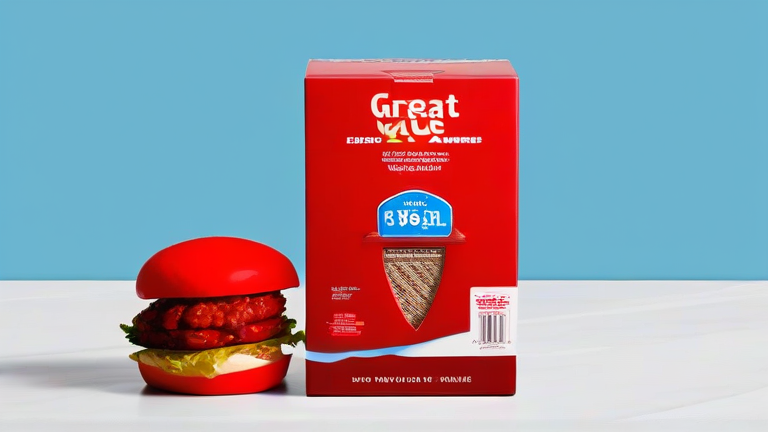
Walmart Great Value Burgers: Red vs. Blue Packaging Differences

TL;DR: The primary difference between Walmart Great Value red and blue burger packaging lies in the product composition, with red typically denoting standard 100% beef options and blue often indicating specialty blends or plant-based alternatives. Consumers should always verify the ingredient list on the front of the package to ensure they are selecting the specific protein source that matches their dietary preferences.

The Packaging Evolution and Current Market Landscape

In recent years, the frozen food aisle at Walmart has undergone significant visual restructuring. The Great Value brand, known for its aggressive price leadership, has streamlined its visual identity to reduce consumer confusion. While the classic red packaging has long been associated with the core beef burger line, the introduction of new product lines has necessitated a shift in color coding. The blue packaging, introduced more prominently in the last fiscal quarter, signals a departure from standard ground beef. This shift is part of a broader industry trend where retailers are differentiating between traditional animal proteins and emerging sustainable alternatives. The visual distinction is not merely aesthetic; it serves as a critical navigation tool for shoppers who are increasingly scrutinizing the source of their meat.

If you want to dig deeper, check out our guide on 10 Essential Health Tips for a Longer, Happier Life.

Technical Specifications and Ingredient Breakdown

The red-packaged Great Value burgers remain the staple of the category, offering a straightforward ingredient list: ground beef, salt, and pepper. These patties are typically flash-frozen to preserve texture and are marketed for their versatility in home cooking. In contrast, the blue-packaged variants often feature different protein matrices. Recent developments indicate that the blue label is frequently used for the “Plant-Based” line or hybrid blends that mix beef with other proteins to reduce costs and environmental impact. The nutritional profiles differ significantly. The red options generally provide higher iron and vitamin B12 content, while the blue plant-based options focus on fiber and lower saturated fat content. The manufacturing processes also vary, with the plant-based lines requiring extrusion technologies that differ from the standard grinding and forming used for beef patties.

Industry Impact and Consumer Response

This color-coded differentiation has had a notable impact on the broader frozen food industry. Competitors have begun to adopt similar visual cues to help consumers navigate an increasingly complex marketplace. The shift reflects a growing demand for transparency. Shoppers no longer rely solely on brand recognition; they look for specific visual indicators that align with their health and ethical standards. Walmart’s strategy has forced other retailers to clarify their labeling practices, leading to a more informed consumer base. The success of the blue-packaged items suggests that there is a robust market for alternative proteins, even within the value segment. This development signals that plant-based and hybrid foods are moving from niche markets to mainstream grocery staples.

FAQ

Q: Are all blue-packaged burgers plant-based?
A: Not exclusively, but the majority of blue packaging currently denotes plant-based or hybrid blends, whereas red is reserved for 100% beef.

Q: Does the packaging color affect the price?
A: Generally, the blue plant-based options may be priced slightly higher due to manufacturing costs, though Walmart strives to keep Great Value items affordable.

Q: Can I substitute red burgers for blue ones in recipes?
A: Yes, but be aware that the cooking times and moisture content may vary, particularly if switching between beef and plant-based proteins.

Related Articles

Posted on Leave a comment

4 Generations of Coleman Campers: Still Kicking After All These Years

TL;DR: Yes, many Coleman campers from four distinct generations remain fully operational and reliable today due to their simple mechanical designs and durable construction. With proper maintenance, parts availability, and occasional cosmetic restoration, these vintage trailers can provide decades of additional camping enjoyment.

4 Generations of Coleman Campers: Still Kicking After All These Years

If you want to dig deeper, check out our guide on How Cement Plants Can Remove CO₂ from the Atmosphere.

Coleman has been a household name in outdoor recreation for nearly a century. Their travel trailers, often affectionately called “Colecars,” represent a unique era of American camping history. While modern RVs boast complex electronics and luxury amenities, older Coleman models offer a rugged simplicity that appeals to purists and restoration enthusiasts alike. Understanding which generation you own is the first step in ensuring your camper stays on the road for years to come.

Identify Your Generation

Coleman campers are generally categorized into four main generations based on their production years and design features. The first generation, produced from the late 1950s to the mid-1960s, features rounded corners and aluminum bodies. The second generation, emerging in the late 1960s, introduced more angular designs and larger windows. The third generation, spanning the 1970s, focused on lightweight materials and expanded living spaces. Finally, the fourth generation, produced in the 1980s, integrated more modern aerodynamic shapes and improved insulation. Knowing your model helps you source the correct replacement parts and understand the specific maintenance needs of your unit.

Inspect the Structure

Before hitting the road, a thorough inspection is non-negotiable. Start with the frame. Look for rust, particularly around the axle mounts and tongue. Surface rust can be treated with wire brushes and rust converter, but structural corrosion requires professional assessment. Next, check the aluminum or fiberglass body for cracks or dents. Small dents can often be popped out from the inside, but larger damage may require panel beating or replacement. Ensure all latches, hinges, and door handles function smoothly. Lubricate moving parts with silicone spray to prevent seizing.

Check the Systems

Coleman campers typically use standard propane, water, and electrical systems that are relatively easy to maintain. Test the propane system by connecting a tank and checking for leaks using a soapy water solution. Bubbles indicate a leak that must be fixed immediately. Inspect water lines for cracks or corrosion, especially in older models with galvanized steel pipes. Replace any compromised lines with modern PEX tubing for durability. For electrical systems, test all lights, outlets, and the battery charger. If the original wiring is brittle or frayed, consider a full rewiring job using modern Romex cable to meet current safety codes.

Maintain the Tires and Brakes

Tires are often the most overlooked component. Even if they look fine, rubber degrades over time. Check the manufacturing date on the sidewall; if the tires are more than six years old, replace them regardless of tread depth. Inspect the brake assembly if your model has electric or surge brakes. Clean out debris and adjust the brakes according to the manufacturer’s specifications. Ensure the hitch mechanism is secure and lubricated to prevent squeaking and wear during towing.

Restore and Enjoy

Once mechanical issues are addressed, focus on aesthetics. Clean the interior thoroughly, removing old adhesives and stains. Replace worn upholstery and curtains to give the space a fresh feel. Apply a coat of wax to the exterior to protect the finish from UV damage. With these steps completed, your Coleman camper is ready for adventure. These vehicles are not just relics; they are testaments to quality craftsmanship that continues to serve outdoor enthusiasts today.

FAQ

Q: Are original Coleman camper parts still available?
A: Yes, many parts are available through specialized vintage RV suppliers, online marketplaces, and aftermarket manufacturers who produce reproduction components.

Q: How much does it cost to restore a vintage Coleman camper?
A: Costs vary widely depending on the extent of damage, ranging from a few hundred dollars for minor repairs to several thousand for a full, professional restoration.

Related Articles
Posted on Leave a comment

Best Noise-Canceling Headphones for iPhone 2026

TL;DR: The Sony WH-1000XM5 remains the undisputed king of noise cancellation for iPhone users in 2026, offering unmatched silence and audio fidelity. For those seeking seamless Apple ecosystem integration, the Apple AirPods Max provide superior spatial audio and convenience, making them the best premium choice for loyalists.

Top Contenders for 2026

Choosing the right headphones for your iPhone in 2026 requires balancing acoustic performance with ecosystem integration. The market is saturated with options, but two models stand out significantly above the rest. The Sony WH-1000XM5 continues to dominate the industry with its refined design and exceptional active noise cancellation (ANC). While previous models had a plastic feel, the new lightweight construction offers comfort for long listening sessions. The sound profile is warm and detailed, allowing iPhone users to appreciate the high-resolution audio capabilities of their devices. Furthermore, the multipoint connection allows you to switch effortlessly between your iPhone and laptop, a feature that enhances productivity significantly.

If you want to dig deeper, check out our guide on Best $200 BIFL Cordovan Dress Shoes for Everyday Wear.

On the other hand, the Apple AirPods Max offer a different kind of luxury. If you are deeply invested in the Apple ecosystem, the seamless pairing process is unbeatable. The H1 chip ensures instant connection, and features like Automatic Switching and Audio Sharing work flawlessly. The build quality is premium, with an aluminum and stainless steel construction that feels substantial and durable. Spatial Audio with dynamic head tracking provides an immersive experience for movies and supported music on your iPhone. However, the price point is considerably higher, and the case remains a contentious design choice for many users.

For budget-conscious consumers, the Bose QuietComfort Ultra Headphones provide a strong alternative. They offer excellent noise cancellation and a comfortable fit, though their app experience on iOS is not as polished as Sony’s or Apple’s. When comparing these options, consider your primary use case. If you travel frequently and need absolute silence, Sony is the winner. If you value seamless device switching and spatial audio for entertainment, AirPods Max are worth the investment. Both options deliver superior sound quality that fully utilizes the potential of your iPhone’s audio output.

Ultimately, the best choice depends on your specific needs and budget. We recommend trying them in-store if possible to gauge comfort and fit. Regardless of your choice, these headphones will enhance your daily audio experience significantly.

FAQ

Q: Are Sony headphones compatible with all iPhone models?
A: Yes, the Sony WH-1000XM5 connects via Bluetooth 5.2 and is compatible with all iPhone models running iOS 13 or later, including the latest iPhone 15 series.

Q: Do AirPods Max support spatial audio with Dolby Atmos?
A: Yes, AirPods Max support Dolby Atmos and Spatial Audio with dynamic head tracking, providing an immersive cinematic experience when watching movies or listening to supported content on your iPhone.

Q: Which headphones have the best battery life for iPhone users?
A: The Sony WH-1000XM5 offers up to 30 hours of battery life with ANC enabled, while the AirPods Max provide approximately 20 hours, making Sony the better choice for extended travel.

Related Articles

Posted on Leave a comment

How Much Do You Trust Consumer Reports Ratings?

TL;DR: Consumer Reports ratings remain a trusted benchmark for consumers despite recent controversies, though trust levels have shifted toward independent lab tests and verified user reviews. The organization’s rigorous testing protocols still provide invaluable data, but transparency concerns have prompted a broader industry reevaluation of third-party validation.

The Evolution of Trust in Digital Reviews

In an era where digital noise drowns out genuine feedback, Consumer Reports has long stood as a beacon of unbiased product evaluation. However, recent developments have sparked a nuanced conversation among tech enthusiasts and industry analysts alike. The core question is no longer just about the accuracy of their scores but the methodology behind them and the perceived conflicts of interest. While some critics argue that the organization’s subscription model creates a barrier to entry for smaller, innovative startups, others defend the strict editorial independence that defines their testing labs. The latest developments show a pivot toward more granular data, including environmental impact assessments and long-term reliability tracking, which adds layers of complexity to their traditional ratings.

Technical Specs and Testing Protocols

Modern tech products require sophisticated testing environments. Consumer Reports has invested heavily in upgrading their facilities to handle the latest specifications, from high-refresh-rate displays to advanced AI-driven smart home ecosystems. Their testing protocols now include stress tests for battery degradation, screen burn-in simulations, and cybersecurity audits for connected devices. These rigorous standards ensure that a five-star rating is not merely a marketing gimmick but a verified endorsement. The industry impact is significant; manufacturers often adjust their product roadmaps based on anticipated CR evaluations. This dynamic creates a feedback loop where consumer expectations are shaped by scientific measurement rather than ad campaigns.

Industry Impact and Consumer Behavior

The influence of these ratings extends beyond simple purchase decisions. Supply chain managers and product designers use CR data to benchmark their offerings against competitors. A poor rating can lead to immediate stock adjustments, while a high score can drive market share growth. However, the rise of social media influencers and peer-to-peer review platforms has diluted the monopoly CR once held. Consumers are increasingly cross-referencing CR scores with Reddit threads, YouTube unboxings, and verified Amazon purchases. This hybrid approach to research reflects a growing skepticism toward single-source authority. Yet, when it comes to complex appliances and health-related tech, the statistical significance of CR’s sample sizes remains unmatched. The trust is not absolute but conditional, relying on continued transparency and methodological rigor. As technology evolves, so must the frameworks used to evaluate it, ensuring that ratings remain relevant in a rapidly changing market landscape.

FAQ

Q: Is Consumer Reports still considered unbiased?
A: Yes, they maintain strict editorial independence and do not accept advertising or free products for review, ensuring objectivity.

If you want to dig deeper, check out our guide on 5-Night Vacation from Boston: Top Destinations & Itineraries.

Q: How do CR testing methods differ from user reviews?
A: CR uses controlled laboratory environments and standardized metrics, whereas user reviews reflect subjective, real-world usage experiences.

Q: Can a low CR rating negatively impact a company’s stock?
A: While possible, significant stock fluctuations are rare unless the rating reveals critical safety failures or widespread defects.

Related Articles