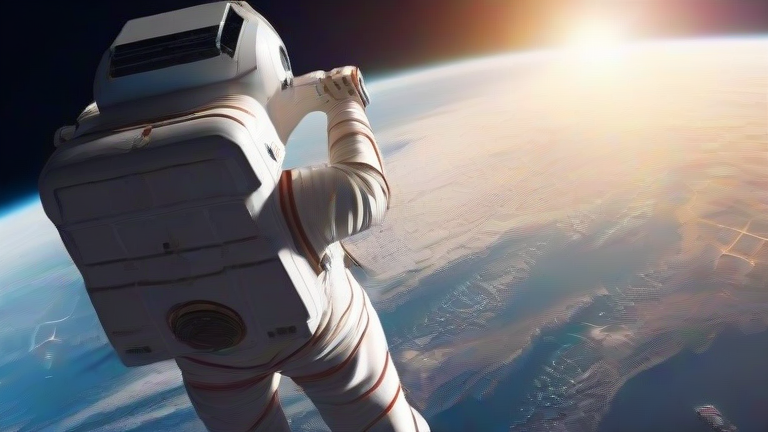
Space Tourism Opens to the Middle Class: Affordable Options

For decades, the dream of leaving Earth’s atmosphere belonged exclusively to billionaires and elite state-sponsored astronauts. However, the landscape of space travel is shifting dramatically. With emerging commercial providers offering suborbital flights and orbital stays, the “middle-class” traveler is no longer a myth but a target demographic. Yet, as costs decrease, the physiological demands of spaceflight remain unchanged. Before booking your ticket to the stars, it is crucial to understand the health implications and prepare your body for the unique stresses of microgravity and high-G forces.
Physiological Preparation: More Than Just Fitness
Space tourism is not a passive experience. The launch phase subjects the human body to significant G-forces, often exceeding 3 to 4 Gs. This puts immense pressure on the cardiovascular system. Medical experts advise that candidates must have excellent cardiovascular health. Regular aerobic exercise, such as running, swimming, or cycling, strengthens the heart and improves blood flow efficiency, helping your body withstand the acceleration forces. Additionally, core strength is vital. A strong core stabilizes the spine during launch and reentry, reducing the risk of back injury. Incorporate planks, deadlifts, and rotational exercises into your routine at least three to four times a week to build resilience.
Beyond physical strength, mental fortitude is paramount. Space flights are confined, high-stress environments. Studies in aerospace psychology highlight the importance of stress management techniques. Practices like mindfulness meditation and controlled breathing exercises can lower cortisol levels and improve focus. Before your flight, engage in simulations or VR experiences that mimic the sensory environment of space to acclimatize your nervous system. This psychological conditioning helps mitigate anxiety and prevents panic in tight quarters.
Nutritional Strategies for Launch Day
What you eat in the days leading up to your launch significantly impacts your comfort and safety. The gastrointestinal system is particularly sensitive to the changes in pressure and motion associated with spaceflight. To minimize nausea and discomfort, adopt a low-residue diet 48 hours before launch. This means reducing fiber intake by avoiding whole grains, raw vegetables, and legumes, which can cause bloating or