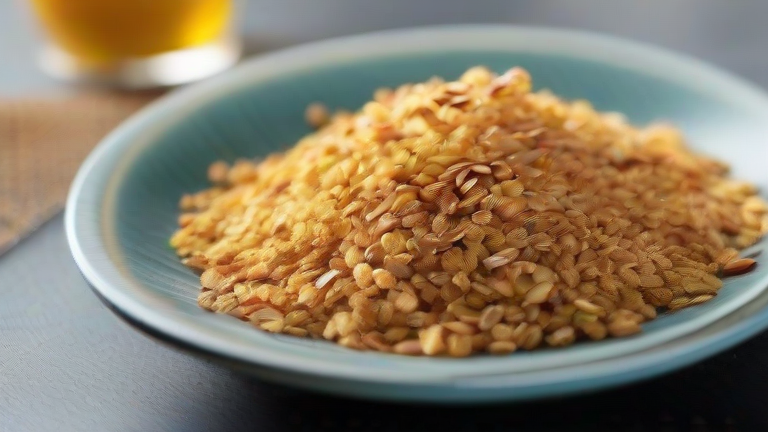
TL;DR: Prioritizing dietary fiber is essential because it serves as the primary fuel for beneficial gut microbiota, directly influencing immune function, metabolic health, and long-term disease prevention. For businesses, this scientific reality presents a significant opportunity to innovate in product development, marketing, and consumer education within the rapidly expanding health and wellness sector.
The global focus on preventive healthcare has shifted dramatically, with gut health emerging as a central pillar of consumer wellness. Fiber, once considered merely a digestive aid, is now recognized as a critical nutrient with systemic benefits. This paradigm shift is driving substantial growth in the functional food and beverage market. Industry analysts project that the global dietary fiber market will continue its upward trajectory, fueled by increasing consumer awareness and demand for transparent, clean-label ingredients. Companies that fail to recognize the multifaceted value of fiber risk falling behind in a competitive landscape where health-conscious consumers are willing to pay a premium for products that genuinely support their well-being.
If you want to dig deeper, check out our guide on 7 Proven Healthy Habits to Boost Your Energy & Mood Today.
Market Analysis and Strategic Opportunities
The market for high-fiber products is no longer niche; it is mainstream. Consumers are actively seeking out whole grains, legumes, and innovative fiber sources like inulin and acacia fiber. This trend is not limited to developed markets; emerging economies are seeing a surge in demand as urbanization and dietary changes increase awareness of non-communicable diseases. Strategically, businesses must move beyond simple labeling. It is not enough to claim “high fiber.” Companies must educate consumers on the types of fiber—soluble versus insoluble—and their specific health implications. Marketing strategies should highlight the prebiotic properties of certain fibers, connecting them to mental health and immune system support, which are currently high-interest topics for consumers.
Furthermore, supply chain resilience is crucial. Sourcing sustainable fiber ingredients requires robust partnerships with agricultural producers who prioritize regenerative farming practices. Brands that can guarantee transparency and sustainability in their fiber sourcing will build stronger trust with their customer base. Innovation in texture and taste is also key. Many high-fiber products suffer from poor mouthfeel or aftertaste. Successful companies are investing in R&D to create palatable, convenient formats, such as fiber-enriched snacks, beverages, and baked goods, that do not compromise on flavor or convenience.
Case Studies in Success
Consider the rise of oat-based beverages. Major players have successfully repositioned oats from a breakfast cereal staple to a versatile ingredient in drinks, smoothies, and dairy alternatives. By highlighting beta-glucan, a soluble fiber known for lowering cholesterol, these brands have captured a significant share of the health-conscious consumer market. Another notable example is the integration of chicory root fiber into coffee alternatives. This strategic move not only adds fiber to the product but also creates a unique selling proposition centered on digestive health without the acidity of traditional coffee. These case studies demonstrate that successful fiber integration requires a holistic approach that combines scientific credibility with appealing product design.
FAQ
Q: What is the recommended daily intake of fiber for adults?
A: Most health organizations recommend that adults consume between 25 and 38 grams of fiber per day, depending on age and gender.
Q: Can increasing fiber intake too quickly cause side effects?
A: Yes, a sudden increase can lead to bloating and gas; it is advisable to increase intake gradually and drink plenty of water.
Q: Are fiber supplements as effective as dietary fiber from whole foods?
A: While supplements can help meet daily goals, whole foods provide additional nutrients and phytochemicals that offer broader health benefits.