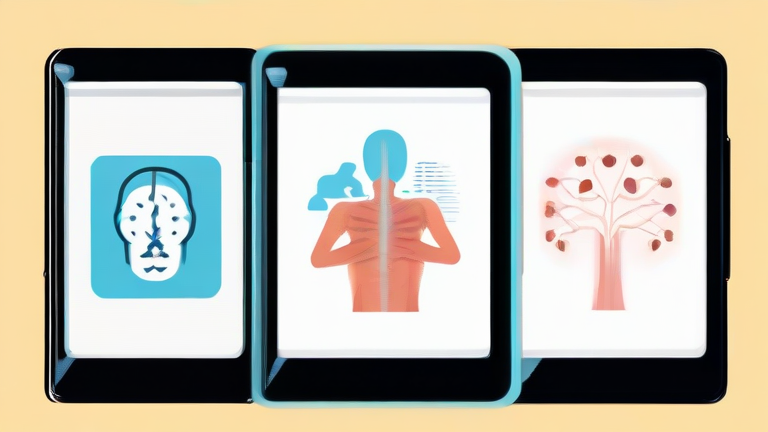
Mental Health Apps Use Generative AI for Therapy
In an era where digital wellness is becoming as critical as physical health, a quiet revolution is reshaping how we access psychological support. The integration of Generative Artificial Intelligence into mental health applications marks a significant leap forward in accessibility, offering immediate, personalized, and stigma-free emotional support to millions. This article explores how these innovative tools are redefining the landscape of digital therapy.
The Rise of AI-Driven Emotional Support
Traditionally, seeking help for anxiety or depression involved navigating complex insurance networks, waiting weeks for an appointment, or dealing with the financial burden of private therapy. Today, generative AI-powered apps like Woebot, Wysa, and Youper are bridging this gap. These platforms utilize large language models trained on cognitive behavioral therapy (CBT) and dialectical behavior therapy (DBT) principles to provide real-time conversations. Unlike static chatbots of the past, these new iterations understand context, nuance, and emotional tone, offering responses that feel genuinely empathetic rather than robotic.
If you want to dig deeper, check out our guide on 10 Proven Business Growth Strategies for 2024.
Feature Highlights and Key Benefits
What sets these apps apart is their adaptive nature. They do not just provide generic advice; they remember your history. If you mention a specific stressor on Monday, the app can check in on it by Wednesday. Key features include:
- 24/7 Availability: Support is available at 3 AM during a panic attack, not just during office hours.
- Mood Tracking: Automated journaling prompts help users identify patterns in their emotional states.
- Personalized Coping Strategies: The AI suggests tailored exercises, such as breathing techniques or reframing thoughts, based on your current sentiment analysis.
Comparing the Leading Platforms
When evaluating these tools, it is essential to understand their distinct approaches. Woebot focuses heavily on CBT, acting as a structured coach that guides users through logical exercises to challenge negative thoughts. It is ideal for users who prefer a more educational and structured approach. On the other hand, Wysa utilizes an empathetic penguin avatar to create a non