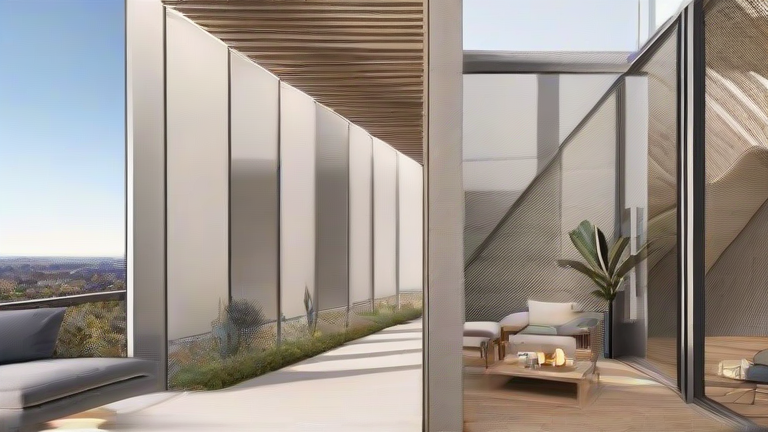
Metaverse Real Estate Shifts to Utility-Driven Designs

The narrative surrounding digital land ownership is undergoing a profound transformation. For years, the metaverse was defined by speculative pricing, where virtual plots in distant, abstract worlds commanded millions based solely on scarcity and hype. However, a significant pivot is now evident. The market is shifting from aesthetic novelty to utility-driven designs, prioritizing functional, immersive environments that offer tangible value to users. This evolution is not merely a financial correction but a cultural shift that aligns digital engagement with physical wellness principles, suggesting that how we design virtual spaces directly impacts our mental and physical health.
Science-backed research into spatial cognition and virtual reality indicates that the design of digital environments influences user behavior, stress levels, and cognitive load just as much as physical architecture does. When metaverse real estate focuses on utility, it creates spaces that encourage movement, social connection, and mindfulness. For instance, virtual fitness studios with accurate biomechanical tracking and immersive nature trails that utilize binaural audio for relaxation are replacing empty, decorative plazas. These utility-driven spaces provide structured activities that mirror real-world health benefits, such as increased cardiovascular health through VR exercise or reduced anxiety through guided meditation in serene digital landscapes.
The lifestyle implications of this shift are profound. As individuals spend more time in virtual worlds, the quality of those environments becomes a determinant of digital well-being. Utility-driven design prioritizes ergonomics and user experience, reducing the cognitive fatigue associated with navigating confusing or aesthetically overwhelming digital spaces. By integrating features that promote healthy habits, such as reminders to stand, stretch, or hydrate within virtual meetings or social hubs, the metaverse can become a tool for holistic health rather than just entertainment. This approach aligns with the growing concept of “digital wellness,” which emphasizes the importance of balancing screen time with meaningful, restorative activities.
If you want to dig deeper, check out our guide on 10 Lifestyle Habits to Boost Your Daily Happiness and Produc.
For developers and investors, this shift necessitates a new mindset. Profitability is no longer tied to land scarcity but to the sustained engagement and utility of the space. Communities are gravitating towards platforms that offer educational resources, collaborative workspaces that respect mental boundaries, and social venues