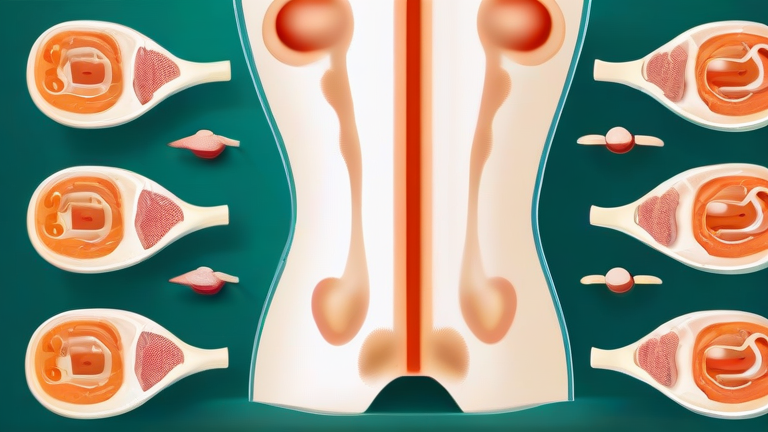
TL;DR: Probiotics significantly aid digestion by balancing gut microbiota and enhancing nutrient absorption efficiency. However, their effectiveness varies by strain, individual biology, and dietary context, meaning they are a supportive tool rather than a universal cure-all for digestive issues.
The Gut-Brain Connection in Modern Life
In our fast-paced, urban existence, the rhythm of life often clashes with the biological needs of our bodies. We rush through meals, relying on convenience foods that lack the fiber and diversity our intestines crave. This disconnect frequently manifests as bloating, irregularity, or a subtle feeling of lethargy that no amount of caffeine can cure. It is in this context that the wellness industry has championed probiotics, promising a return to vitality. But is the hype justified, or is it merely a modern myth wrapped in sleek packaging?
The truth lies in the intricate ecosystem of your gut. Think of your digestive tract not as a simple tube, but as a bustling city. The residents, or microbiota, play crucial roles in breaking down complex carbohydrates, synthesizing vitamins, and even influencing your immune system. When this population is disrupted by antibiotics, stress, or poor diet, the city falls into chaos. Probiotics act as emergency responders, introducing beneficial bacteria to restore order. For many, this restoration leads to noticeable improvements in regularity and reduced inflammation.
However, the journey to better health is not linear. Personal growth often involves understanding that one size does not fit all. A strain that works wonders for someone with lactose intolerance may have little effect on another person suffering from irritable bowel syndrome. It is essential to approach probiotics with curiosity rather than expectation. Experimentation is key. Some individuals thrive on fermented foods like kimchi, sauerkraut, and kefir, which offer a diverse range of natural cultures. These traditional foods connect us to culinary heritage, reminding us that nutrition is deeply rooted in culture and history.
Absorption is another critical factor. A healthy gut lining allows nutrients to pass into the bloodstream efficiently. Probiotics help maintain this lining by producing short-chain fatty acids that nourish intestinal cells. Yet, without adequate prebiotic fiber to feed these new inhabitants, the benefits may be fleeting. It is a symbiotic relationship. The probiotics need food, and your body needs the probiotics. This holistic view encourages a shift from seeking quick fixes to cultivating long-term habits.
Ultimately, probiotics are a piece of the puzzle, not the entire picture. They support digestion and absorption, but they cannot undo the damage of a consistently poor lifestyle. Sleep, stress management, and mindful eating remain foundational. As you explore your own digestive health, listen to your body. It speaks in whispers of discomfort or shouts of vitality. By integrating probiotics thoughtfully into a balanced diet, you honor the complex machinery that sustains you. This approach transforms digestion from a mundane biological function into an act of self-care and cultural appreciation. Embrace the process, respect the biology, and find harmony in your daily routine.
FAQ
Q: Do probiotics work for everyone?
A: No, effectiveness varies based on individual gut composition, the specific strain used, and the underlying digestive condition.
If you want to dig deeper, check out our guide on 2 Days in Andorra: Explore Europe’s Smallest Country.
Q: Can I get probiotics from food alone?
A: Yes, fermented foods like yogurt, kimchi, and kefir provide natural probiotics, though supplements offer higher, targeted doses.
Q: How long does it take to see results?
A: Most people notice changes within two to four weeks, but significant improvements in absorption may take longer.