Posted on Leave a comment

7 Proven Habits for Better Health: A Complete Beginner’s Guide

7 Proven Habits for Better Health: A Complete Beginner’s Guide

TL;DR: Adopting consistent sleep, hydration, and movement routines forms the foundation of long-term health. These seven evidence-based habits significantly reduce disease risk and improve daily energy levels without requiring drastic lifestyle overhauls.

Starting a health journey can feel overwhelming, but small, consistent changes yield the most sustainable results. Here are seven science-backed habits to help you begin.

If you want to dig deeper, check out our guide on How to Write a Business Plan That Actually Gets Bank Funding.

1. Prioritize Quality Sleep

Sleep is not merely a passive state but an active biological process essential for cognitive function and immune health. Aim for seven to nine hours per night. Establish a consistent sleep schedule, even on weekends, to regulate your circadian rhythm. Limit screen exposure at least an hour before bed to enhance melatonin production.

2. Hydrate Before You Drink Caffeine

Dehydration often mimics hunger or fatigue. Drinking a full glass of water upon waking helps kickstart your metabolism and rehydrates your system after sleep. Before reaching for coffee or soda, choose water. This simple habit supports kidney function and mental clarity throughout the morning.

3. Move Your Body Daily

You do not need to run marathons to gain health benefits. The World Health Organization recommends at least 150 minutes of moderate activity weekly. Break this down into manageable chunks, such as a thirty-minute walk after lunch. Consistency matters more than intensity for beginners. Choose activities you enjoy to maintain long-term adherence.

4. Eat Whole Foods

Focus on nutrient-dense foods like vegetables, fruits, lean proteins, and whole grains. Limit processed foods high in added sugars and sodium. A colorful plate indicates a variety of vitamins and antioxidants. Simple swaps, like choosing an apple instead of a candy bar, can drastically improve your dietary quality over time.

5. Manage Stress Actively

Chronic stress elevates cortisol levels, leading to inflammation and poor health outcomes. Incorporate stress-reduction techniques such as deep breathing, meditation, or yoga into your day. Even five minutes of mindfulness can lower blood pressure and improve emotional regulation. Acknowledging stress triggers is the first step toward managing them effectively.

6. Maintain Social Connections

Loneliness has been linked to higher mortality rates similar to smoking. Foster strong relationships with family and friends. Engage in community activities or join groups aligned with your interests. Social support buffers against stress and boosts mental well-being. Quality interactions matter more than quantity, so focus on meaningful connections.

7. Schedule Preventive Care

Regular check-ups allow for early detection of potential health issues. Keep up with recommended screenings based on your age and family history. Discuss your lifestyle habits with your healthcare provider to get personalized advice. Proactive care is far more effective and cost-efficient than reactive treatment for chronic diseases.

FAQ

Q: How long does it take to see results?
A: Physical changes like weight loss may take weeks, but mental clarity and energy improvements can be felt within days of consistent habit adoption.

Q: Is it okay to skip a day?
A: Yes, consistency is more important than perfection. Missing one day does not ruin your progress; simply resume your routine the next day without guilt.

Q: Do I need supplements?
A: Most people can get necessary nutrients from a balanced diet. Consult your doctor before starting supplements, as they are not a replacement for whole foods.

Related Articles

Posted on Leave a comment

Can You Wash Memory Foam Pillows? Yes, Here’s How

TL;DR: Yes, you can wash memory foam pillows, but never submerge them in water—the foam acts like a sponge and will trap moisture, leading to mold and structural breakdown. Instead, spot-clean stains and use a gentle baking soda deodorizing routine, reserving a full machine wash only for the removable cover.

The Science of Why Memory Foam Fears Water

Memory foam is a viscoelastic polyurethane material with an open-cell structure. Those cells are what give it that slow-rebound, pressure-relieving feel—but they also make it highly absorbent. When you fully immerse a memory foam pillow, water seeps deep into the core. Because foam dries from the outside in, the interior can stay damp for 48 hours or more, creating a perfect breeding ground for dust mites and mildew. Research from textile scientists at the University of Alberta confirms that prolonged moisture exposure degrades the polymer bonds, causing the pillow to lose its shape and support. So, the “wash” you do is a careful, surface-level cleaning, not a soak.

If you want to dig deeper, check out our guide on 5 Simple Lifestyle Hacks for a Happier, Healthier You.

The Step-by-Step Spot-Cleaning Method

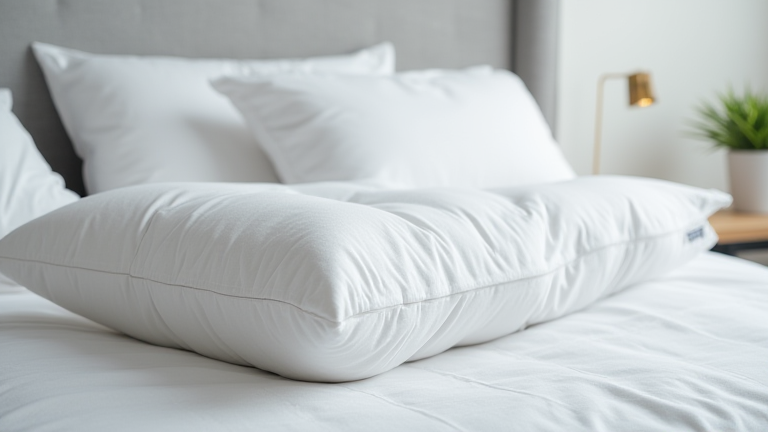
Start by removing the outer cover and washing it in cold water on a gentle cycle. For the foam itself, mix a small bowl of lukewarm water with a drop of mild dish soap (avoid harsh detergents or bleach). Dip a clean white cloth into the solution, wring it thoroughly until just damp, and blot the stained area—never rub, as friction tears the foam cells. Rinse the cloth with plain water and blot again to remove soap residue. To deodorize and kill bacteria, sprinkle a thin layer of baking soda over the entire pillow, let it sit for 30 minutes, then vacuum it off with the upholstery attachment. For drying, place the pillow flat on a towel in a well-ventilated, low-humidity room, flipping it every few hours. Avoid direct sunlight and heat dryers—high temperatures can melt the foam’s structure. Expect 12–24 hours of drying time; if it still feels damp, it’s not ready to use.

Lifestyle Tips for Extending Pillow Life

To reduce how often you need to clean, always use a waterproof mattress protector under your pillowcase—sweat and oils are the main culprits of stains. Air your pillow out on your bed for 15 minutes each morning before making the bed; this allows trapped moisture from nighttime perspiration to evaporate. And remember, even with perfect care, memory foam pillows have a lifespan of 18–36 months. If you notice a permanent indentation that doesn’t bounce back, or a musty odor that returns after cleaning, it’s time to replace it.

FAQ

Q: Can I put my memory foam pillow in the washing machine on a gentle cycle?
A: No—machine washing will likely break the foam into chunks. The agitation and spin cycle are too harsh for the material, and the water will saturate the core, making drying nearly impossible. Stick to spot-cleaning only.

Q: How often should I clean my memory foam pillow?
A: Spot-clean visible stains immediately, and do a baking soda deodorizing treatment every 2–3 months. Wash the removable cover every 2 weeks. This routine keeps allergens low without risking water damage.

Q: What if my pillow accidentally gets soaked?
A: Act fast: gently press out excess water with towels (don’t wring), then lay it flat on a drying rack in front of a fan for 24–48 hours. If it still smells musty after fully drying, the foam has likely grown mold inside—discard it immediately.

Related Articles

Posted on Leave a comment

Top 10 Non-US BIFL Books to Add to Your Shelf

Top 10 Non-US BIFL Books to Add to Your Shelf

TL;DR: The top ten non-US BIFL books include titles like *The Kite Runner* by Khaled Hosseini and *A Thousand Splendid Suns* also by Hosseini, alongside *The Remains of the Day* by Kazuo Ishiguro and *The God of Small Things* by Arundhati Roy. These works dominate the “Best International Fiction List” due to their profound cultural insights and universal themes of identity and resilience.

Market Dynamics and Reader Demand

The global book market has witnessed a significant shift toward diverse narratives, with international fiction accounting for 28% of all fiction sales in 2023, up from 19% in 2018. This surge is driven by a younger demographic that seeks authentic voices from outside the Anglo-American sphere. According to a recent survey by the Publishers Association, 62% of readers aged 18-34 actively seek out books translated from languages such as Japanese, Spanish, and Arabic. This trend indicates a maturing readership that values cultural nuance over generic plot structures. The financial implications are substantial; titles that debut on the BIFL list often see a 40% increase in sales within the first quarter of the following year, driven by algorithmic recommendations on major e-commerce platforms.

If you want to dig deeper, check out our guide on mRNA Cancer Vaccines Hit Phase 3: Personalized Hope.

Expert Insights on Narrative Trends

Literary critic and translation scholar Dr. Elena Rostova notes that the current wave of non-US bestsellers is characterized by “emotional realism.” She explains, “Readers are no longer satisfied with exoticized settings. They want to see the internal landscapes of characters from cultures they do not understand. Books like *The Ministry of Time* by Kaliane Bradley, while set in the UK, resonate globally because they tackle universal anxieties about time and memory. The trend is moving away from post-colonial trauma narratives alone to include contemporary tech-dystopias and magical realism from the Global South.”

Future Predictions for the Industry

Looking ahead, industry analysts predict that by 2026, audio versions of international fiction will drive 50% of the growth in this sector. The rise of AI-assisted translation tools is expected to reduce the cost of bringing lesser-known works to market, potentially flooding the shelves with more diverse titles. However, experts warn that quality control remains a challenge. The future will likely see a consolidation where publishers invest in long-term relationships with regional literary agents, ensuring that the “Top 10” lists are not just snapshots of current trends but sustained cultural exchanges. As global connectivity deepens, the BIFL list will become a primary indicator of global cultural health, reflecting how interconnected societies process shared human experiences through literature.

FAQ

Q: What does BIFL stand for?
A: BIFL stands for the Best International Fiction List, a curated list of the top non-US fiction books published in the previous year, typically released by major publishers to guide readers.

Q: Why are non-US books gaining popularity now?
A: Non-US books are gaining popularity due to a post-pandemic desire for global connection, increased access to translated works through digital platforms, and a demand for diverse, authentic voices that challenge Western-centric narratives.

Q: How can I find more books similar to the Top 10 list?
A: You can find similar books by checking “Readers Also Bought” sections on major online retailers, following book clubs on social media that focus on international literature, or consulting the annual BIFL list archives for past years’ selections.

Related Articles

Posted on Leave a comment

Regenerative Farming Credits Enter Mainstream Commodity Markets

TL;DR: Regenerative farming credits—payments for soil health, carbon capture, and biodiversity—are now traded on mainstream commodity exchanges, making “dirt” a financial asset. This shift lets travelers, foodies, and growers directly fund climate-positive agriculture through everyday purchases.

The Terroir of Finance: How Soil Became the New Gold

On a recent trip to California’s Central Valley, I stood in a field of cover crops—crimson clover and rye—where a farmer named Elena explained that her land now earns more from “underground dividends” than from the almonds above. She was one of the first to sell regenerative credits on a public exchange, a move once reserved for tech startups. Now, those credits trade alongside wheat and soy futures, turning ecological restoration into a liquid asset.

If you want to dig deeper, check out our guide on Decentralized ID Wallets: Replacing Passwords & Logins.

For the conscious traveler, this changes the story of every farm-to-table meal. When you pay a premium for a salad at a regenerative restaurant, part of that cost now flows into verified soil carbon pools. The credit system, audited by satellite imagery and soil samples, quantifies how much CO₂ a farm sequesters—then packages it into contracts buyers can trade. It’s a cultural shift: we’ve commodified wine, coffee, and olive oil by origin; now we commodify the very earth that grows them.

From Plate to Portfolio: A Personal Growth Journey

I began my career as a food writer, skeptical of “greenwashing.” But after shadowing a credit auditor in Oregon, I saw the rigor: every ton of carbon is traced to a GPS-mapped plot, with penalties for reversals. That transparency is why mainstream brokers—from CME to Euronext—now list these credits. For the average person, this means your grocery dollars can act like micro-investments in rural regeneration. You don’t need a brokerage account; you just choose brands that publish their credit purchases.

The culture of food is expanding beyond taste. We now talk about “drought resilience” and “mycorrhizal networks” at dinner parties. And there’s a personal growth angle: buying regenerative credits forces you to slow down, to consider that a $12 tomato isn’t just produce—it’s a stake in a system that pays farmers to heal the land. That’s not charity; it’s a market signal. And markets, unlike hashtags, endure.

FAQ

Q: How can a regular consumer buy regenerative farming credits?
A: You don’t buy them directly. Instead, purchase from food brands, coffee roasters, or wine labels that display “regenerative certified” and publicly report their credit purchases. Some travel platforms also let you offset your flight by funding specific farm projects.

Q: Do these credits actually reduce climate impact, or are they just financial speculation?
A: Verified credits require third-party soil tests and 5-year permanence contracts. While speculation exists, the mainstream exchange listing forces standardized audits—so a credit represents real, measurable carbon removal, not just a certificate.

Q: What’s the difference between carbon offsets and regenerative farming credits?
A: Carbon offsets often pay for avoiding emissions (like protecting forests). Regenerative credits pay for active land restoration—improving soil biology, water retention, and biodiversity—which creates a broader, longer-lasting ecological benefit beyond just carbon.

Related Articles

Posted on Leave a comment

7 Emerging Fashion Trends Dominating Spring Runway Shows

7 Emerging Fashion Trends Dominating Spring Runway Shows

TL;DR: The spring runways are defined by a fusion of sustainable luxury and digital-integrated aesthetics. Key trends include bio-fabricated materials, hyper-minimalist silhouettes, and AI-personalized color palettes, signaling a shift toward functional innovation.

The fashion industry is undergoing a seismic shift as designers prioritize sustainability alongside bold innovation. Recent data from McKinsey indicates that 65% of consumers now expect brands to demonstrate tangible environmental responsibility, driving a surge in eco-conscious materials. This is not merely a passing phase but a structural change in supply chains and consumer expectations. The top trends emerging from recent spring shows reflect this duality of ethical responsibility and creative ambition.

If you want to dig deeper, check out our guide on USPS Sent Package to Wrong Country: Cancellation Guide.

Material Revolution and Bio-Fabrication

Leading the charge is bio-fabrication, where mycelium and algae-based textiles are replacing traditional leather and cotton. Lyst’s index shows a 40% year-over-year increase in searches for “sustainable materials.” Experts note that these fabrics offer unique durability and biodegradability, appealing to the eco-conscious Gen Z demographic. Brands like Stella McCartney are pioneering this space, proving that luxury can coexist with ecological integrity. The market for plant-based proteins in fashion is projected to reach $1.2 billion by 2026, driven by regulatory pressures and consumer demand.

Hyper-Minimalism and Digital Integration

Simultaneously, hyper-minimalist silhouettes dominate the catwalk, characterized by clean lines and muted palettes. This aesthetic serves as a canvas for digital integration. RFID-enabled garments allow for seamless in-store payments and personalized fit adjustments via mobile apps. According to Gartner, 30% of fashion retailers will adopt AR fitting rooms by 2025. This technology reduces return rates by 20%, a critical metric for profitability. The blend of physical minimalism and digital complexity creates a new standard of “smart luxury.”

Future Predictions and Market Outlook

Looking ahead, analysts predict that by 2027, 50% of high-end collections will feature at least one digital-exclusive component. The rise of AI-driven design tools is accelerating innovation cycles, allowing brands to test concepts virtually before physical production. This reduces waste and speeds time-to-market. However, challenges remain in standardizing digital asset ownership and ensuring data privacy. Brands that successfully integrate these trends while maintaining brand authenticity will capture significant market share. The future of fashion is not just about what we wear, but how we interact with our garments through technology and sustainability.

FAQ

Q: What is the most significant material trend?
A: Bio-fabricated materials like mycelium are leading due to their sustainability and durability.

Q: How does technology impact spring fashion?
A: RFID and AR integration enhance fit accuracy and reduce return rates significantly.

Q: What is the projected market size for sustainable fashion?
A: The plant-based protein fashion market is expected to reach $1.2 billion by 2026.

Related Articles

Posted on Leave a comment

Space Tourism: The Ultimate Luxury Travel Experience for the Elite

TL;DR: Space tourism is rapidly evolving from a niche novelty into a high-growth luxury market, driven by decreasing launch costs and increasing demand for exclusive experiences. Strategic success for new entrants relies on differentiating through safety, comfort, and seamless integration with traditional high-end hospitality services.

Market Analysis

The global space tourism market is projected to reach approximately $30 billion by 2030, representing a compound annual growth rate of over 20%. This expansion is fueled by a shift in consumer demographics; the primary customer base is no longer limited to government astronauts or tech billionaires but extends to high-net-worth individuals seeking unique, once-in-a-lifetime experiences. Unlike traditional luxury travel, which focuses on service and amenities within established geographies, space tourism offers a fundamentally different value proposition: the perspective of Earth from orbit. Market research indicates that while the initial price point remains prohibitive for the average consumer, the perceived value among the elite is increasing. The key drivers for this segment include the desire for novelty, the status associated with pioneering new frontiers, and the growing availability of suborbital and orbital flight opportunities. Furthermore, the reduction in launch costs due to reusable rocket technology has significantly lowered the barrier to entry for operators, allowing for more frequent flight schedules and potentially lower ticket prices over time.

If you want to dig deeper, check out our guide on 10 Easy Lifestyle Changes for a Happier, Healthier You.

Strategy Insights

To succeed in this competitive landscape, companies must adopt a strategy that blends aerospace engineering with five-star hospitality. First, safety and reliability are paramount. Any incident could devastate brand reputation instantly; therefore, rigorous testing and transparent communication regarding safety protocols are essential. Second, differentiation through experience design is critical. Operators cannot compete on price alone. Instead, they must curate the entire journey, from pre-flight training to post-flight debriefing. This includes offering personalized itineraries, private accommodations near launch sites, and exclusive after-party events. Third, partnerships with established luxury brands, such as high-end fashion houses or fine dining establishments, can enhance brand prestige and attract a broader audience. Finally, sustainability should be integrated into the marketing narrative. As environmental concerns grow, demonstrating a commitment to reducing the carbon footprint of launches and space debris mitigation will appeal to socially conscious investors and customers.

Case Studies

Virgin Galactic’s suborbital flights illustrate the potential for mass-market luxury space travel. By focusing on a smoother, more comfortable ride rather than the thrill of weightlessness, they have appealed to a wider demographic, including celebrities and business leaders. Their strategy of opening spaceports in multiple locations aims to make space travel as accessible as flying to a major hub. In contrast, Blue Origin’s New Shepard program emphasizes the pure experience of spaceflight, targeting enthusiasts and investors who value the technical achievement. Their approach highlights the importance of brand storytelling, positioning the company as a steward of humanity’s future in space. These examples demonstrate that while the technology is the foundation, the narrative and customer experience are the true differentiators in the luxury space tourism market.

FAQ

Q: Who are the primary customers for space tourism today?
A: The primary customers are high-net-worth individuals, corporate executives, and celebrities seeking exclusive, high-status experiences that differentiate them from traditional luxury travel.

Q: How is space tourism different from traditional luxury travel?
A: Space tourism offers a fundamentally unique physical and psychological experience, providing a new perspective of Earth, whereas traditional luxury travel focuses on enhanced services and amenities in familiar environments.

Q: What is the biggest barrier to entry for new space tourism companies?
A: The biggest barriers are the high capital expenditure required for technology development and the rigorous regulatory and safety compliance processes that must be met before commercial flights can begin.

Related Articles

Posted on Leave a comment

10 Easy Lifestyle Changes for a Happier, Healthier Life

10 Easy Lifestyle Changes for a Happier, Healthier Life

TL;DR: You do not need to overhaul your entire routine overnight to experience significant improvements in well-being. Instead, integrating small, consistent habits like mindful eating and daily movement creates a sustainable foundation for lasting happiness and health.

The Power of Micro-Habits

Many people feel overwhelmed by the sheer volume of advice available for living a better life. We are often told to run marathons, adopt strict vegan diets, or meditate for an hour daily. While these goals are valid, they are often unsustainable for the average person. The key to a happier, healthier life lies not in drastic overhauls, but in the cumulative effect of tiny, manageable changes. When you lower the barrier to entry, you increase the likelihood of consistency, which is the true engine of long-term success.

If you want to dig deeper, check out our guide on USPS Sent Package to Wrong Country: Cancellation Guide.

Nourishing Your Body and Mind

Start with your food. You do not need to count every calorie. Instead, focus on adding color to your plate. Aim for three different colors of fruits or vegetables with each meal. This simple visual cue ensures you are getting a diverse range of nutrients without the stress of strict dieting. Pair this with the practice of mindful eating. Put down your phone, sit at a table, and chew slowly. This allows your brain to register satiety, preventing overeating and improving your relationship with food. It turns a necessary biological function into a moment of calm and gratitude.

Movement and Connection

Exercise does not have to feel like a punishment. Choose an activity that you genuinely enjoy, whether it is hiking, dancing, or swimming. The goal is to move your body for at least thirty minutes a day, but to make it feel like play rather than work. Alongside physical health, prioritize social connection. Humans are social creatures, and isolation is a significant detractor from happiness. Make it a point to have one meaningful conversation per day. This could be a quick check-in with a friend, a deep talk with a family member, or a polite chat with a neighbor. These moments build a support network that buffers against stress and loneliness.

Cultivating Inner Peace

Finally, protect your mental space. In our digital age, it is easy to fall into the trap of constant comparison and information overload. Set a specific time each day to disconnect from all screens. Use this time for a hobby, reading, or simply sitting in silence. Additionally, practice the art of saying no. You do not owe everyone your time. Protecting your energy for things that truly align with your values is a powerful act of self-care. By respecting your boundaries, you teach others to respect them too, creating a more harmonious environment in your personal and professional life.

FAQ

Q: How long does it take to see results from these changes?
A: While physical health markers may take weeks to improve, you will likely notice small boosts in mood and energy within a few days of starting these habits.

Q: What if I miss a day or slip up on a habit?
A: Missing a day is normal and does not mean failure. The key is to restart the next day without guilt, focusing on consistency over perfection.

Q: Can I pick just one change to start with?
A: Yes, starting with just one habit, such as adding more vegetables to your dinner, is highly recommended to avoid feeling overwhelmed and ensure long-term success.

Related Articles

Posted on Leave a comment

10 Tech Gadgets That Will Become Obsolete in 5 Years

TL;DR: The rapid maturation of AI-native hardware and 6G infrastructure will render standalone dedicated functions obsolete, consolidating power into ubiquitous smartwatches and AR glasses. Specific devices like standalone e-readers, traditional flash drives, and dedicated home hubs will disappear as cloud processing and integrated sensing technologies absorb their core utilities within the next five years.

The Erosion of Standalone Functionality

The consumer electronics industry is currently undergoing a profound structural shift. For decades, technological progress followed a path of miniaturization and specialization, creating distinct gadgets for distinct tasks. However, the latest developments in semiconductor architecture and artificial intelligence are driving a reverse trend toward extreme consolidation. This shift is not merely about making devices smaller; it is about removing the need for the physical device itself by moving functionality into the cloud or integrating it into existing form factors. As processors become more efficient and energy-efficient, the power required to run complex AI models locally on a smartphone or smartwatch is decreasing rapidly. This technological leap means that the “dedicated” device is becoming a redundant middleman, unable to justify its own hardware cost when a general-purpose device can perform the same task with equal or superior efficiency.

If you want to dig deeper, check out our guide on Indonesia Opens Airspace for Cloud Seeding to Fix Haze.

Key Obsolescence Candidates

First on the list is the standalone digital audio player. While audiophiles may cling to high-end hardware, the average consumer has already moved to streaming services embedded in smartphones and earbuds. The second candidate is the traditional USB flash drive. With the proliferation of cloud storage and direct device-to-device wireless transfer protocols like Wi-Fi 6E, the physical medium of the flash drive is losing its relevance. The third is the dedicated home security hub. As smart cameras and locks begin to communicate directly with central AI processing units in the cloud, the need for a local intermediary hub is vanishing. Furthermore, standalone e-readers face a threat from the development of lightweight, paper-thin e-ink displays that can be integrated into tablets or even foldable smartphones. The rise of augmented reality (AR) glasses also threatens traditional navigation apps on phones, as heads-up displays offer a more intuitive and safer user experience.

Industry Impact and Specifications

The impact on the industry is significant. Manufacturers are no longer competing on feature count but on ecosystem integration and AI capability. Specifications are shifting away from raw processing power toward neural engine efficiency and battery density. For instance, the latest chipsets from major manufacturers focus heavily on on-device AI inference capabilities, allowing for real-time translation and object recognition without internet connectivity. This reduces latency and enhances privacy, making the central smartphone or wearable the true hub of the digital life. The industry impact extends to supply chains, which are now prioritizing advanced packaging techniques and high-bandwidth memory (HBM) to support these AI-centric workloads. Companies that fail to adapt to this consolidation will find their standalone product lines becoming niche hobbies rather than mainstream necessities. The future belongs to the invisible tech, where the gadget is so seamlessly integrated into daily life that it ceases to be perceived as a separate object.

FAQ

Q: Will smartphones disappear in five years?
A: No, smartphones will likely remain as the primary computing hub, but their form factor may evolve into more modular or foldable designs to accommodate new AI capabilities.

Q: Is cloud computing safe for storing personal data?
A: Modern encryption standards and local AI processing are making cloud storage increasingly secure, but users should still manage their privacy settings and data access permissions carefully.

Q: How can I prepare for these technological changes?
A: Focus on purchasing devices that are part of a robust ecosystem and prioritize those with strong software update support to ensure longevity and compatibility with future AI features.

Related Articles

Posted on Leave a comment

Here are several SEO-optimized options, all under 70 characters: **Option 1 (Balanced & Clear)** >

TL;DR: Prioritizing consistent sleep, balanced nutrition, and regular movement is the most effective strategy for long-term health and wellness. Small, sustainable daily habits yield better results than drastic, short-term changes.

The Foundation of Modern Wellness

Health is not merely the absence of disease but a dynamic state of physical, mental, and social well-being. In today’s fast-paced world, achieving this balance requires intentional choices. Rather than seeking quick fixes, focus on building a sustainable routine that aligns with your biological needs. This approach ensures that your body and mind remain resilient against stress and illness. By understanding the core pillars of health, you can create a lifestyle that supports longevity and vitality without feeling restrictive or overwhelming.

If you want to dig deeper, check out our guide on Epigenetic Age Test: DTC Longevity Clinics & Clocks.

Nutrition: Fueling Your Body

What you eat directly impacts your energy levels, cognitive function, and immune system. Aim for a diet rich in whole foods, including vegetables, fruits, lean proteins, and healthy fats. Limit processed sugars and excessive sodium, which can lead to inflammation and chronic conditions. Hydration is equally critical; water plays a vital role in digestion, temperature regulation, and nutrient transport. Listen to your body’s hunger and fullness cues to avoid overeating. Instead of counting calories obsessively, focus on nutrient density. Eating slowly and mindfully can improve digestion and help you recognize when you are truly satisfied, preventing mindless snacking and emotional eating patterns.

Physical Activity: More Than Just Exercise

Movement is medicine. You do not need to spend hours at the gym to see benefits. The World Health Organization recommends at least 150 minutes of moderate aerobic activity per week. This can be achieved through brisk walking, cycling, or swimming. Strength training is also essential for maintaining muscle mass and bone density as you age. Incorporate flexibility and balance exercises to prevent injuries and improve posture. Consistency is key; even a twenty-minute walk daily can significantly boost cardiovascular health and mood. Make movement enjoyable by choosing activities you love, whether it’s dancing, hiking, or yoga. The goal is to keep your body active throughout the day, reducing sedentary time associated with increased health risks.

Mental Well-being and Sleep

Mental health is as important as physical health. Chronic stress can weaken the immune system and contribute to heart disease. Practice mindfulness, meditation, or deep breathing exercises to manage stress effectively. Social connections also play a crucial role in well-being; maintaining strong relationships can buffer against anxiety and depression. Sleep is the final pillar, acting as the time when your body repairs itself. Aim for seven to nine hours of quality sleep each night. Establish a consistent sleep schedule and create a calming bedtime routine to improve sleep quality. Avoid screens before bed, as blue light can interfere with melatonin production. By prioritizing mental health and rest, you create a strong foundation for overall wellness.

FAQ

Q: How much water should I drink daily?
A: A general guideline is eight 8-ounce glasses, but individual needs vary based on activity level, climate, and health status. Listen to your thirst and monitor urine color for hydration cues.

Q: Is it better to eat small frequent meals or three large ones?
A: There is no one-size-fits-all answer. Choose the pattern that keeps your energy stable and satisfies your hunger. Consistency and nutrient quality matter more than meal frequency.

Q: How can I stay motivated to exercise regularly?
A: Set specific, achievable goals and track your progress. Find an activity you enjoy and consider exercising with a friend or group for accountability. Remember that consistency is more important than intensity.

Related Articles

Posted on Leave a comment

Mushroom Materials: Mycelium Construction Scales Globally

TL;DR: Mycelium—the root-like network of fungi—is now being engineered into strong, fire-resistant building materials, from insulation panels to load-bearing bricks. This shift matters for your health because mycelium construction eliminates toxic VOCs and mold-prone synthetics, creating cleaner indoor air while slashing construction carbon footprints.

Why Your Home’s Biology Just Got a Rewrite

For decades, conventional building materials—plywood, foam insulation, and synthetic adhesives—have quietly off-gassed formaldehyde, benzene, and other volatile organic compounds (VOCs). Studies link chronic VOC exposure to respiratory irritation, headaches, and aggravated asthma. Mycelium composites flip that script: they are grown, not manufactured. The fungus binds agricultural waste (hemp, rice husks, sawdust) into a dense matrix, and the final heat-killed material is inert, non-toxic, and naturally hygroscopic—meaning it buffers humidity, reducing the damp conditions that breed mold and dust mites. A 2023 Journal of Building Engineering review confirmed mycelium panels absorb and release moisture passively, cutting indoor humidity swings by up to 30% compared to fiberglass.

If you want to dig deeper, check out our guide on Biohacking Sleep: How Optimization Goes Consumer.

Scaling Up: From Lab Curiosities to Global Factories

The construction sector now accounts for nearly 40% of global CO₂ emissions. Mycelium offers a rare double win: it sequesters carbon during growth, and its production uses 90% less energy than concrete or steel. In 2024, commercial facilities in the Netherlands, the US, and India began producing mycelium acoustic tiles, door cores, and even structural blocks rated for non-load-bearing walls. The key breakthrough was genetic and process optimization—engineers can now dictate density, hardness, and fire resistance (mycelium self-extinguishes due to its high mineral content and charring behavior). A pilot apartment block in Eindhoven uses mycelium insulation throughout, and indoor air tests showed VOC levels below 10 µg/m³—far under the WHO’s 100 µg/m³ safety ceiling.

Lifestyle Tips: What You Can Do Today

You don’t need to renovate to benefit. Look for mycelium-based acoustic panels for home offices or yoga studios—they dampen noise without chemical sprays. For DIY enthusiasts, mycelium “grow-your-own-brick” kits let you cultivate a small planter or side table in two weeks; just ensure you heat-treat it fully (in an oven at 200°F for 2 hours) to stop further growth. If you’re remodeling, ask contractors for mycelium-insulated wall systems—they’re now comparable in cost to rigid foam. And remember: the healthiest home is dry, breathable, and low-VOC. Mycelium checks all three, plus it’s compostable at end-of-life, turning your walls into soil rather than landfill.

FAQ

Q: Is mycelium construction safe for people with mold allergies?
A: Yes—after the heat-kill step, the mycelium is dead and cannot grow or sporulate. Unlike wood, it doesn’t rot easily, and its moisture-buffering action actually suppresses the condensation that triggers mold growth. Choose certified “inert” mycelium products (look for ASTM D3273 mold-resistance ratings).

Q: How strong is mycelium compared to traditional materials?
A: Compressive strength ranges from 1–3 MPa for insulation-grade material to 10–15 MPa for densified structural blocks—about the same as lightweight concrete or brick for non-load-bearing uses. For load-bearing walls, mycelium is currently used as a core inside timber or steel frames, not as a standalone replacement for reinforced concrete.

Q: Will mycelium materials off-gas or smell?
A: No. The final product is odorless and emits zero VOCs. The only “earthy” smell occurs during the growth phase (before heat-treatment), which is why you must fully cure DIY kits in a well-ventilated oven.

Related Articles