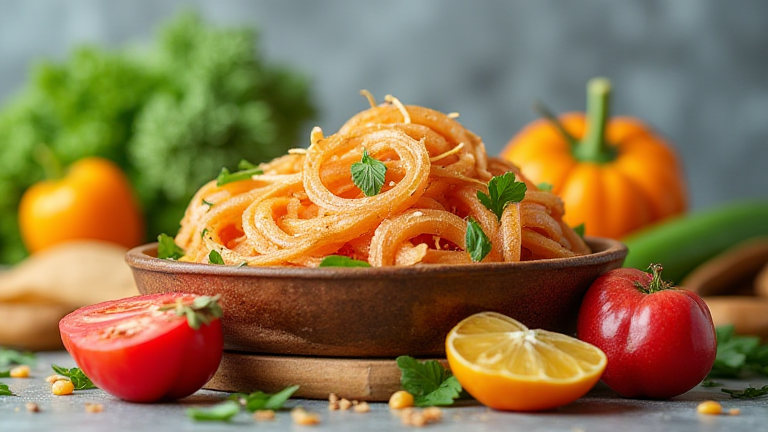
TL;DR: Prioritizing dietary fiber is essential for maintaining a healthy gut microbiome and preventing digestive disorders. Incorporating diverse plant-based foods into your daily meals ensures you reap the maximum benefits of both soluble and insoluble fiber types.
Why Fiber Matters for Gut Health
If you want to dig deeper, check out our guide on Cannabinoid Hyperemesis: Rise in Nausea Cases Among US Marij.
Fiber is a type of carbohydrate that your body cannot digest. Instead of breaking it down, it passes through your stomach, small intestine, and colon relatively intact. This process adds bulk to your stool and helps food pass more quickly through the stomach and intestines. More importantly, fiber serves as a primary fuel source for the beneficial bacteria in your gut. These bacteria ferment fiber, producing short-chain fatty acids that nourish colon cells and reduce inflammation. A diverse gut microbiome is linked to improved immunity, better mental health, and reduced risk of chronic diseases like heart disease and type 2 diabetes. Therefore, prioritizing fiber is not just about digestion; it is a holistic strategy for overall wellness.
Step-by-Step Guide to Increasing Fiber Intake
Step 1: Assess Your Current Intake
Most adults consume only half the recommended amount of fiber. Begin by tracking your meals for a few days to understand your baseline. Aim for at least 25 grams per day for women and 38 grams for men.
Step 2: Choose Diverse Sources
Do not rely on a single food item. Mix soluble and insoluble fibers. Soluble fiber dissolves in water to form a gel-like substance, slowing digestion and helping manage blood sugar levels. Insoluble fiber promotes the movement of material through your digestive system and increases stool bulk. Good sources of soluble fiber include oats, peas, beans, apples, citrus fruits, carrots, and barley. Insoluble fiber is found in whole wheat flour, wheat bran, nuts, beans, and vegetables like cauliflower, green beans, and potatoes.
Step 3: Increase Gradually
A sudden spike in fiber intake can cause bloating, gas, and abdominal cramps. Increase your consumption slowly over several weeks. This allows your natural gut bacteria to adjust and multiply, minimizing discomfort. Add one high-fiber food to each meal rather than overhauling your diet overnight.
Step 4: Hydrate Adequately
Fiber works best when it absorbs water. If you increase fiber without increasing water intake, you may experience constipation instead of relief. Drink plenty of fluids throughout the day to help the fiber move through your system smoothly.
Step 5: Read Labels and Cook Smart
Choose whole grains over refined grains. Check nutrition labels for fiber content. When cooking, retain the skins of fruits and vegetables whenever possible, as this is where a significant portion of fiber resides. Swap white rice for quinoa or brown rice, and choose whole-grain bread over white bread.
FAQ
Q: How long does it take for fiber to improve gut health?
A: While you may notice digestive relief within days, significant changes to your gut microbiome composition can take several weeks to months of consistent dietary changes.
Q: Can I get enough fiber from supplements alone?
A: No, supplements should not replace whole foods. Whole foods provide additional nutrients, antioxidants, and phytochemicals that work synergistically with fiber for optimal health.
Q: What are the best high-fiber snacks?
A: Excellent high-fiber snacks include a handful of almonds, an apple with skin, carrot sticks with hummus, or a small bowl of berries with chia seeds.