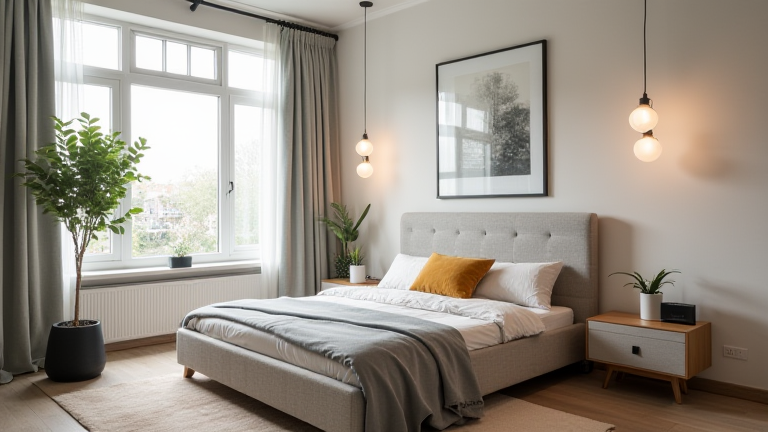
TL;DR: Renting out a spare bedroom is a practical way to generate passive income while fostering cultural exchange and personal growth. To succeed, you must establish clear boundaries, vet potential tenants carefully, and create a welcoming environment that respects both your privacy and your guest’s independence.
Turning Empty Space into Connection
For many homeowners, the spare bedroom represents a missed opportunity. It sits empty, collecting dust and draining money through utilities and maintenance. However, this underutilized space can become a vibrant hub for connection, income, and cultural immersion. By transforming this room into a short-term or long-term rental, you unlock a lifestyle that blends financial prudence with the rich rewards of hosting. This approach is not merely about transactional lodging; it is about inviting someone into your daily life, sharing local flavors, and gaining new perspectives on the world.
Preparing Your Space for Success
The first step is ensuring your home is inviting. You do not need a luxury hotel suite, but you must provide comfort and cleanliness. Invest in a high-quality mattress, fresh linens, and adequate storage space. Consider the aesthetic; neutral tones and local artwork can make the room feel both professional and culturally grounded. If you have a garden or a cozy kitchen nook, highlight these features in your listing. Food plays a crucial role in hospitality. Offering a simple breakfast or a welcome basket with local snacks can elevate the experience from a simple stay to a memorable cultural encounter. These small gestures show that you care about your guest’s well-being and comfort, setting the tone for a positive relationship.
Vetting and Boundaries
Safety and compatibility are paramount. Use reputable platforms that offer identity verification and review systems. Read profiles carefully and communicate early to gauge expectations. Are they a quiet student, a traveling professional, or a digital nomad seeking community? Ensure their lifestyle aligns with your household’s rhythm. Establish clear house rules regarding noise, guests, and shared spaces. A written agreement protects both parties and prevents misunderstandings. Remember, you are not just renting a room; you are sharing your home. Setting boundaries fosters respect and ensures that the arrangement remains sustainable for everyone involved.
Embracing the Lifestyle Shift
Hosting can be personally rewarding. It challenges you to be more organized, communicative, and open-minded. You may find yourself learning new recipes from international guests or discovering hidden local gems you never knew existed. This exchange enriches your daily routine, breaking the monotony of solitary living. Financially, the extra income can offset mortgage payments, fund home improvements, or support travel dreams. Ultimately, renting out a spare bedroom is about more than money; it is about creating a dynamic living environment where connections flourish. It transforms a static house into a lively home, bridging the gap between private sanctuary and public engagement.
FAQ
Q: How do I determine the right price for my spare bedroom?
A: Research local short-term rental rates on platforms like Airbnb or Vrbo, considering your location, amenities, and room size, then adjust based on demand and seasonality to remain competitive while maximizing profit.
If you want to dig deeper, check out our guide on Buy It For Life: Best Canadian-Made Products & Favorites.
Q: What are the tax implications of renting out a spare room?
A: Income generated from renting out a room is generally taxable, but you may be able to deduct related expenses such as utilities, cleaning supplies, and a portion of your mortgage interest or rent; consult a tax professional for specific advice.
Q: How can I handle conflicts with a difficult tenant?
A: Establish clear expectations and house rules upfront, document all communications, and address issues promptly and politely; if the behavior violates the agreement, refer to your lease or rental contract for eviction procedures or mediation options.