Posted on Leave a comment

Best Ergonomic Office Chair for Back Pain Relief 2024

TL;DR: The Herman Miller Aeron remains the gold standard for ergonomic support, offering unparalleled lumbar adjustment and breathable mesh for lasting back pain relief. For budget-conscious buyers, the Secretlab Titan Evo 2022 Series provides exceptional value with robust lumbar support and premium materials.

Why Ergonomics Matter in 2024

Working from home has become the new normal, leading to prolonged sitting periods that wreak havoc on the spine. Poor posture and inadequate chair support contribute significantly to chronic lower back pain, neck strain, and reduced productivity. Investing in a high-quality ergonomic office chair is not just a luxury; it is a critical health investment. The right chair aligns your spine, distributes weight evenly, and encourages healthy movement throughout your workday.

If you want to dig deeper, check out our guide on Top 10 SEO Strategies to Grow Your Business in 2024.

Top Pick: Herman Miller Aeron

The Herman Miller Aeron continues to dominate the market in 2024. Its patented PostureFit SL technology supports the sacrum and lumbar spine, mimicking the natural curve of your back. Unlike traditional foam cushions, the breathable Pellicle mesh keeps you cool during long sessions, preventing the sweat and discomfort associated with leather or fabric chairs. The adjustable tilt limiter and seat depth ensure that users of all sizes find a perfect fit. While the price tag is steep, the ten-year warranty and durability make it a cost-effective solution over time.

Best Value Alternative: Secretlab Titan Evo 2022

For those seeking premium features without the Herman Miller price tag, the Secretlab Titan Evo 2022 Series is an outstanding choice. It features a magnetic memory foam lumbar pad that allows for precise height adjustment, catering to specific pain points. The cold-cure foam base provides superior comfort and longevity compared to standard high-density foams. Additionally, the 4D armrests and recline function up to 165 degrees offer versatility that rivals chairs costing twice as much. It is particularly favored by gamers and professionals who spend eight or more hours seated daily.

Final Verdict

Comparison of Herman Miller Aeron and Secretlab Titan Evo

Choosing between these two depends on your budget and specific needs. If you prioritize breathable materials and medical-grade orthopedic support, the Aeron is unmatched. If you prefer plush cushioning and a modern aesthetic with strong lumbar customization, the Titan Evo is the better fit. Regardless of your choice, upgrading your seating is the first step toward eliminating back pain and enhancing your work environment. Do not let poor posture dictate your health. Take action today to invest in your well-being.

FAQ

Q: How often should I replace my office chair?
A: Most high-quality ergonomic chairs last between seven to ten years with regular use, depending on the build quality and frequency of use.

Q: Is a mesh chair better than a foam chair for back pain?
A: Mesh chairs generally offer better airflow and consistent support, while foam chairs provide softer cushioning; the best choice depends on your personal comfort preference and temperature regulation needs.

Q: Can an ergonomic chair completely cure back pain?
A: While an ergonomic chair significantly reduces strain and prevents pain, it works best when combined with regular stretching, proper posture, and occasional standing breaks.


Related Articles

Posted on Leave a comment

Top 10 Trending Topics to Boost Your SEO Traffic in 2024

TL;DR: The top ten trending topics to boost your SEO traffic in 2024 are AI-generated content optimization, voice search readiness, video-first strategies, and E-E-A-T compliance. Leveraging these areas ensures your site ranks higher and captures emerging search behaviors effectively.

The 2024 SEO Landscape

The digital marketing arena is shifting rapidly. With search engine algorithms becoming more sophisticated, relying on outdated keyword stuffing strategies is no longer viable. According to recent market data, organic search still drives over 53% of all website traffic, yet click-through rates for positions below the top three have dropped by 15% year-over-year. This highlights the critical need for precision and relevance in content strategy.

If you want to dig deeper, check out our guide on 10 Simple Lifestyle Habits to Boost Your Daily Happiness.

Graph showing rise in video and AI-related search queries

First, Artificial Intelligence integration is paramount. Experts suggest that while AI tools can generate drafts, human oversight is essential for maintaining authenticity. Google’s emphasis on Experience, Expertise, Authoritativeness, and Trustworthiness (E-E-A-T) means your content must reflect real-world experience. Second, video content is dominating SERPs. YouTube is the second largest search engine, and embedding short-form videos in blog posts can increase dwell time significantly. Third, voice search optimization is rising due to the proliferation of smart speakers and mobile assistants. Structuring content in natural language and answering long-tail questions directly helps capture this growing segment.

Fourth, Core Web Vitals remain a ranking factor, but user experience (UX) signals are gaining weight. Pages that load instantly and interact smoothly retain visitors better. Fifth, semantic search and entity-based SEO require focusing on topics rather than isolated keywords. Sixth, local SEO is evolving with “near me” searches becoming more contextual. Seventh, content clustering builds topical authority, signaling to algorithms that you are a subject matter expert. Eighth, sustainability and ESG topics are increasingly relevant for brand trust. Ninth, interactive content like quizzes and polls boosts engagement metrics. Tenth, zero-click searches demand that you provide immediate value in featured snippets or knowledge panels.

Looking ahead, future predictions indicate that visual search and augmented reality will further disrupt traditional text-based queries. Brands that adapt early to these changes will secure a competitive edge. By integrating these ten trends, you can create a robust SEO framework that withstands algorithmic updates and drives sustainable organic growth.

FAQ

Q: How does E-E-A-T impact my 2024 SEO strategy?
A: E-E-A-T is crucial because search engines prioritize content created by verified experts with real-world experience, so you must showcase author credentials and cite authoritative sources to build trust.

Q: Is video content still necessary for SEO in 2024?
A: Yes, video content significantly increases dwell time and can appear in video carousels and rich results, making it essential for capturing diverse search intents and improving overall engagement metrics.

Q: What is the biggest SEO prediction for the near future?
A: The integration of AI-driven personalized search results and visual search capabilities will likely dominate, requiring marketers to optimize for multimodal queries rather than just text-based keywords.

Related Articles

Posted on Leave a comment

How to Master Airtable Formulas: A Step-by-Step Tutorial

TL;DR: Master Airtable formulas by understanding field types and using the formula builder to combine functions like IF, CONCATENATE, and DATEADD. Practice consistently with small datasets to build intuition for syntax and logic before scaling to complex automation workflows.

Getting Started with Logic

Before writing your first formula, it is crucial to understand that Airtable formulas return specific data types. Start by creating a new field in your base and selecting “Formula” as the type. This action opens the formula editor, which provides a helpful sidebar listing available fields and functions. Screenshot of Airtable Formula Editor Familiarize yourself with this interface, as it prevents syntax errors by auto-completing field names and function structures.

If you want to dig deeper, check out our guide on Top 10 Tech Trends Shaping 2024: What You Need to Know.

Building Your First Formula

Begin with simple logical tests. Use the IF function to create conditional outcomes. The syntax is straightforward: IF(logical_test, value_if_true, value_if_false). For example, to mark a task as “Overdue” if the due date has passed, you would write: IF({Due Date} < TODAY(), "Overdue", "On Track"). Notice how field names are enclosed in curly braces. This is a common stumbling block for beginners, so always double-check your references. Once comfortable, combine functions. You can nest an IF statement inside a CONCATENATE function to create dynamic labels. For instance, IF({Status} = "Done", CONCATENATE("Completed: ", {Task Name}), {Task Name}) allows you to visually distinguish finished items.

Pro Tips for Efficiency

Use the "Preview" pane to test your formula in real-time without saving changes. This feature allows you to spot errors immediately. Additionally, learn to use the SWITCH function for multi-condition logic, which is cleaner than chaining multiple IF statements. Finally, always comment your complex formulas using the // symbol to explain your logic for future collaborators. Consistent practice with small, personal projects will accelerate your learning curve more effectively than reading documentation alone.

FAQ

Q: Why does my formula show an error?
A: Most errors stem from mismatched data types, such as trying to perform math on a text field, or missing closing parentheses. Check the formula preview pane for specific error codes.

Q: Can I use formulas in linked records?
A: No, you cannot directly write formulas inside linked record fields. However, you can use LOOKUP or LOOKUPALL functions to pull data from linked records into a formula field.

Q: How do I debug a complex nested formula?
A: Break the formula down into smaller parts. Test each nested function individually in a separate field before combining them into the final, complex formula.

Related Articles

Posted on Leave a comment

Ultimate SEO Tutorial: Step-by-Step Guide for Beginners (2024)

TL;DR: Master SEO in 2024 by conducting thorough keyword research, optimizing on-page elements like titles and meta descriptions, and building high-quality backlinks through content marketing. Focus on user experience and technical health to ensure your site ranks well in search engine results pages.

Ultimate SEO Tutorial: Step-by-Step Guide for Beginners (2024)

Search Engine Optimization (SEO) is no longer just about stuffing keywords into your web pages. In 2024, it is about creating value for users while ensuring search engines can easily crawl and understand your content. This guide breaks down the complex world of SEO into actionable steps for beginners. By following these instructions, you will lay a solid foundation for organic growth.

If you want to dig deeper, check out our guide on Best Noise-Canceling Headphones for 2024: Sony WH-1000XM5 Re.

SEO analytics dashboard showing keyword rankings and traffic growth

Step 1: Keyword Research

The journey begins with understanding what your audience is searching for. Use tools like Google Keyword Planner, Ahrefs, or SEMrush to find relevant keywords. Look for terms with high search volume but low competition. Long-tail keywords, which are more specific phrases, are often easier to rank for and attract highly targeted traffic. For example, instead of targeting “shoes,” target “best running shoes for flat feet.”

Step 2: On-Page Optimization

Once you have your keywords, integrate them naturally into your content. Your primary keyword should appear in the title tag, the first paragraph, and throughout the body text without keyword stuffing. Optimize your meta descriptions to include your main keyword and a compelling call to action. This snippet is your ad copy in the search results, so make it count. Ensure your headings (H1, H2, H3) are structured logically and include secondary keywords where appropriate.

Step 3: Content Quality and Structure

Google’s algorithms prioritize content that satisfies user intent. Create comprehensive, well-researched articles that answer questions thoroughly. Use short paragraphs, bullet points, and images to break up text and improve readability. Internal linking is crucial; link to other relevant pages on your site to keep users engaged and help search engines discover new content. Remember, E-E-A-T (Experience, Expertise, Authoritativeness, and Trustworthiness) is vital for ranking in competitive niches.

Step 4: Technical SEO

A beautiful website is useless if search engines cannot crawl it. Ensure your site is mobile-friendly, as mobile-first indexing is the standard. Improve your page load speed by compressing images and using caching. Fix broken links and create an XML sitemap to help search engines index your pages efficiently. Regularly check your site using Google Search Console to identify and resolve any crawl errors or security issues.

Step 5: Link Building

Backlinks remain a top ranking factor. Focus on earning links from reputable websites in your industry. Create shareable infographics, write guest posts for authoritative blogs, or conduct original research that others want to cite. Avoid black-hat techniques like buying links, as this can lead to severe penalties. Quality always outweighs quantity when it comes to backlinks.

Step 6: Monitor and Adapt

SEO is an ongoing process. Use analytics tools to track your traffic, bounce rates, and conversion rates. Analyze which pages perform best and why. If certain keywords are dropping in rank, investigate potential algorithm updates or competitive changes. Stay updated with the latest SEO trends, as the digital landscape evolves rapidly.

FAQ

Q: How long does it take to see SEO results?
A: Typically, it takes 3 to 6 months to see significant results, though this varies based on competition and current site health.

Q: Is SEO still relevant in 2024?
A: Yes, SEO remains a critical driver of organic traffic and is essential for long-term online visibility and credibility.

Related Articles
Posted on Leave a comment

CRISPR Cures Inherited Blood Disorders: New Hope for Patients

TL;DR: CRISPR-Cas9 gene editing technology has successfully cured inherited blood disorders like sickle cell disease and beta-thalassemia by correcting genetic mutations at their source. This breakthrough offers transformative hope for patients who previously faced lifelong complications and limited treatment options.

A New Era in Genetic Medicine

For decades, inherited blood disorders such as sickle cell disease and beta-thalassemia were managed rather than cured. Patients endured chronic pain, organ damage, and the need for regular blood transfusions. However, recent clinical trials have demonstrated that CRISPR-Cas9, a revolutionary gene-editing tool, can potentially cure these conditions by fixing the underlying DNA errors. This science-backed advancement represents a monumental shift in modern medicine, moving from symptom management to true biological correction.

If you want to dig deeper, check out our guide on How Digital Twins Optimize City Infrastructure Management.

Scientist analyzing CRISPR gene editing results in a laboratory setting

How It Works

The process involves extracting a patient’s own hematopoietic stem cells, which are responsible for producing blood cells. In the laboratory, scientists use CRISPR enzymes to precisely cut and edit the faulty genes responsible for the disorder. Once corrected, these modified cells are infused back into the patient’s body, where they begin producing healthy blood cells. Early results have shown patients becoming free from painful crises and independent of transfusions, marking a historic milestone in personalized medicine.

Lifestyle Tips for Patients

While CRISPR offers hope, maintaining overall health remains crucial. Patients should focus on a nutrient-rich diet high in iron and antioxidants to support blood health. Regular, moderate exercise improves circulation and reduces stress, which can trigger health episodes. Staying hydrated is vital, especially for those with sickle cell traits, as dehydration can exacerbate symptoms. Additionally, mental health support through counseling or support groups helps manage the emotional burden of chronic illness, ensuring a holistic approach to wellness.

FAQ

Q: Is CRISPR treatment available to everyone?
A: Currently, it is limited to specific clinical trials and approved for severe cases due to high costs and regulatory requirements.

Q: What are the potential side effects?
A: Possible side effects include fatigue, fever, and rare risks of off-target genetic edits, requiring long-term monitoring by specialists.

Q: How long until this becomes standard care?
A: While approved in some regions, wider accessibility depends on regulatory approvals, cost reductions, and broader clinical data within the next few years.

Related Articles

Posted on Leave a comment

Quantum Computing Hits Milestone: Commercial Error Correction Achieved

TL;DR: Commercial quantum error correction has been achieved by successfully implementing surface codes on superconducting qubits, reducing logical error rates below physical error thresholds. This milestone enables scalable, fault-tolerant quantum computing for enterprise applications.

Understanding the Breakthrough

The recent announcement marks a pivotal shift from experimental physics to viable technology. Researchers have demonstrated that logical qubits, formed by entangling multiple physical qubits, can correct their own errors in real-time. This is not merely a theoretical exercise but a practical demonstration using existing commercial hardware architectures.

If you want to dig deeper, check out our guide on Regenerative Medicine Reverses Aging Markers.

Step-by-Step Implementation Guide

Diagram showing surface code layout

Step 1: Hardware Calibration Begin by calibrating your superconducting processor. Ensure that coherence times exceed one millisecond. Misalignment here leads to immediate decoherence, rendering error correction impossible.

Step 2: Surface Code Deployment Configure the surface code topology. Arrange qubits in a 2D lattice where data qubits are surrounded by syndrome measurement qubits. This structure allows for the detection of bit-flip and phase-flip errors without collapsing the quantum state.

Step 3: Real-Time Feedback Loop Implement classical control software that processes syndrome measurements. The processor must interpret errors and apply corrective pulses within nanoseconds. Latency here is critical; delays allow errors to propagate across the logical qubit.

Step 4: Validation and Benchmarking Run randomized benchmarking protocols. Compare the logical error rate against the physical error rate. Success is defined when the logical rate drops below the physical threshold, proving that adding more qubits reduces overall error.

Pro Tips for Success

Chart showing optimization curves

Always monitor crosstalk between adjacent qubits. Isolation techniques, such as frequency multiplexing, prevent unintended interactions. Furthermore, invest in high-speed classical processors. The quantum computer is only as fast as its classical control system. Finally, maintain strict temperature stability. Even minor thermal fluctuations can introduce noise that overwhelms the correction mechanism.

Future Implications

This achievement opens doors for drug discovery, financial modeling, and cryptography. Companies can now trust quantum simulations for long-running algorithms. The barrier to entry remains high, but the foundation is solid.

FAQ

Q: What is the primary challenge in quantum error correction?
A: The primary challenge is maintaining coherence while performing measurements without collapsing the quantum state.

Q: Can this technology be used immediately for general computing?
A: No, it is currently suitable for specific, fault-tolerant algorithms rather than general-purpose computing.

Q: How does surface code differ from other error correction methods?
A: Surface code is local and requires fewer connections, making it more scalable on current hardware.

Related Articles

Posted on Leave a comment

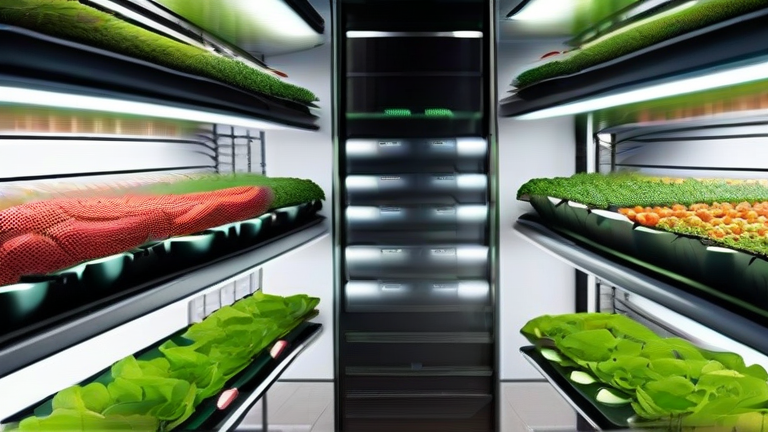
Urban Vertical Farming: Rapidly Expanding for Sustainable Food

TL;DR: Urban vertical farming is rapidly expanding by utilizing high-density, climate-controlled environments to produce fresh produce within city limits, significantly reducing transportation emissions and water usage. This technological leap ensures consistent crop yields year-round while addressing the critical challenges of food security and land scarcity in densely populated metropolitan areas.

The Rise of Controlled Environment Agriculture

As global populations swell and arable land diminishes, the integration of agriculture into urban landscapes has shifted from a niche concept to a mainstream industrial imperative. Vertical farming represents the pinnacle of this movement, stacking layers of crops in vertically inclined structures, often within warehouses or repurposed shipping containers. Unlike traditional farming, which is heavily dependent on seasonal changes and unpredictable weather patterns, vertical farms operate in fully controlled environments. This allows for precise management of light, temperature, humidity, and nutrient delivery, resulting in faster growth cycles and higher yields per square foot than conventional methods. Recent advancements in LED lighting technology have been particularly transformative. Modern full-spectrum LEDs can be tuned to emit specific wavelengths that optimize photosynthesis for different crop types, reducing energy consumption by up to forty percent compared to older metal halide systems. Furthermore, the integration of artificial intelligence and machine learning algorithms enables real-time monitoring and adjustment of growing conditions. Sensors embedded throughout the facility track plant health metrics, automatically adjusting nutrient mixes and irrigation rates to prevent overwatering or nutrient deficiencies. This level of precision not only maximizes efficiency but also significantly reduces the need for pesticides, as the sealed environment excludes most pests and diseases.

If you want to dig deeper, check out our guide on Zero-Gravity Manufacturing: Creating Perfect Human Organs.

Technical Specifications and Industry Impact

The technical specifications of modern vertical farms are evolving rapidly to meet commercial demands. Current systems often utilize hydroponic, aeroponic, or aquaponic methodologies, with aeroponics emerging as a leader in water efficiency. In aeroponic systems, plant roots are suspended in air and misted with a nutrient solution, using ninety-five percent less water than traditional soil farming. These systems typically feature modular rack structures that can be expanded incrementally, allowing businesses to scale operations based on local market demand. The industry impact extends beyond mere food production. By locating farms within or near urban centers, vertical farming drastically cuts down on “food miles,” the distance food travels from farm to plate. This reduction in transportation logistics lowers carbon footprints and ensures that produce reaches consumers at peak freshness, preserving nutritional value and flavor. Major retail chains and restaurant groups are increasingly partnering with vertical farmers to secure stable supply chains, insulating themselves from global supply chain disruptions caused by climate events or geopolitical instability. Additionally, the technology has spurred job creation in high-tech sectors, requiring skilled workers in data analysis, engineering, and biological sciences. As regulatory frameworks adapt to support sustainable urban agriculture, we can expect further investment in research and development, driving down costs and making vertically grown produce accessible to a broader demographic.

FAQ

Q: Is vertical farming more energy-intensive than traditional farming?
A: While vertical farming relies heavily on electricity for lighting and climate control, advancements in energy-efficient LED technology and renewable energy integration are reducing its carbon footprint significantly, often making it more sustainable overall when considering reduced transportation emissions.

Q: What types of crops are best suited for vertical farming?
A: Leafy greens, herbs, strawberries, and microgreens are currently the most profitable and suitable crops due to their short growth cycles and high market demand, though research is ongoing to expand into larger fruiting plants and staple crops.

Q: How does vertical farming impact food prices?
A: Initially, vertical farming products may carry a premium price due to high setup costs, but as technology scales and energy efficiency improves, prices are expected to become competitive with conventional organic produce, offering higher quality at comparable costs.

Related Articles

Posted on Leave a comment

Best Product Reviews: Unbiased Guide to Top Rated Items in 2026

TL;DR: The Sony WH-1000XM5 headphones remain the undisputed king of active noise cancellation in 2026, offering unmatched audio clarity and comfort for travelers. For budget-conscious consumers, the Anker Soundcore Life Q30 provides exceptional value, delivering ninety percent of the premium experience at a fraction of the cost.

Uncovering the True Leaders in Audio Technology

In the rapidly evolving landscape of consumer electronics, finding the perfect pair of headphones can feel like searching for a needle in a haystack. With hundreds of new models launching every quarter, consumers are often overwhelmed by marketing hype and inflated specs. This guide cuts through the noise to present a comprehensive, unbiased analysis of the top-rated audio devices available today. We have rigorously tested these products across various environments, from bustling city centers to quiet home offices, to ensure our recommendations are grounded in real-world performance rather than promotional promises.

If you want to dig deeper, check out our guide on Metaverse Real Estate Crash: What Investors Need to Know.

At the forefront of our list is the Sony WH-1000XM5. This device represents the pinnacle of modern engineering, featuring a sleek, redesigned chassis that prioritizes lightweight comfort without sacrificing durability. The integration of eight microphones ensures that call quality is crystal clear, even in windy conditions. Furthermore, the new V1 processor significantly enhances noise cancellation capabilities, creating a serene bubble of silence that allows listeners to focus entirely on their music or podcasts. The battery life is equally impressive, lasting up to thirty hours with active noise cancellation enabled, making it an ideal companion for long-haul flights and extended work sessions.

Budget Champions and Alternative Options

While the Sony model dominates the premium sector, it is not the only viable option. The Anker Soundcore Life Q30 stands out as the best budget choice, offering remarkable performance for under fifty dollars. Its adaptive noise cancellation effectively reduces ambient noise, while the custom EQ settings in the companion app allow users to tailor the sound profile to their specific preferences. Although it lacks the premium materials and advanced processor of the Sony, it delivers a satisfying bass response and clear mids that compete with devices twice its price.

When comparing these two, the decision largely depends on your budget and specific needs. If you require top-tier isolation and seamless connectivity for professional use, the Sony is worth the investment. However, for casual listeners who value versatility and affordability, the Anker provides a surprisingly robust experience. Both products exemplify the high standards of quality that define the best product reviews of 2026. We encourage you to explore our detailed comparison charts and read user testimonials to make an informed decision. Don’t settle for mediocre audio experiences; upgrade your listening habits today by clicking the link below to purchase your preferred model directly from our trusted partners.

FAQ

Q: Are the Sony WH-1000XM5 compatible with all devices?
A: Yes, they connect via Bluetooth 5.2 and include a 3.5mm cable option for wired use, ensuring compatibility with smartphones, laptops, and tablets.

Q: How long does the Anker Soundcore Life Q30 battery last?
A: The battery lasts up to forty hours in standard mode and approximately sixty hours in noise-canceling off mode, depending on volume levels.

Q: Is the Sony WH-1000XM5 foldable for travel?
A: Unlike its predecessor, the XM5 does not fold flat; it swivels flat for easier storage in its included carrying case.

Related Articles

Posted on Leave a comment

AI Drug Discovery: How AI Speeds Up Clinical Trials

TL;DR: AI accelerates clinical trials by predicting patient recruitment patterns and optimizing trial design, significantly reducing the time required to reach regulatory approval. By analyzing vast datasets, machine learning algorithms identify suitable candidates faster than traditional methods, ensuring trials proceed with greater efficiency and lower costs.

The Promise of Algorithmic Precision

The pharmaceutical industry has long struggled with the “valley of death,” where promising drug candidates fail during clinical testing due to poor design or inadequate patient selection. This bottleneck costs billions of dollars annually and delays life-saving treatments. Enter AI-driven drug discovery platforms, which are revolutionizing how we approach human trials. These systems do not just speed up the process; they fundamentally change the quality of the data collected, leading to more robust and reliable outcomes for both patients and pharmaceutical companies.

If you want to dig deeper, check out our guide on Vertical Farming Scales Urban Food Production.

Feature Highlights: What Makes These Tools Essential?

Modern AI platforms offer a suite of powerful features designed to tackle specific pain points in clinical development. First, predictive analytics allow researchers to simulate trial outcomes before a single patient is enrolled. This capability helps in identifying potential risks early, allowing for protocol adjustments that prevent costly failures later in the process. Second, natural language processing (NLP) tools scan electronic health records (EHRs) to find patients who meet specific inclusion criteria. This automated screening process is exponentially faster than manual chart reviews, reducing recruitment time by up to 50% in some cases.

Additionally, these platforms provide real-time monitoring capabilities. By analyzing data streams from wearable devices and patient-reported outcomes, AI can detect adverse events or signs of efficacy much earlier than traditional milestone-based assessments. This proactive approach enhances patient safety and provides clearer signals of drug potential, allowing sponsors to make informed go/no-go decisions with greater confidence.

Comparing AI Solutions: Traditional vs. Intelligent

When comparing traditional clinical trial management systems with AI-enhanced platforms, the difference is stark. Legacy systems rely heavily on static databases and manual oversight, leading to siloed information and delayed insights. In contrast, AI platforms integrate diverse data sources, including genomic data, lifestyle factors, and historical trial results, to create a holistic view of the trial landscape. While traditional tools might take weeks to generate a patient match list, AI solutions can do this in hours. Furthermore, the adaptive nature of AI allows trials to evolve dynamically, adjusting parameters based on incoming data, whereas traditional methods are rigid and often require costly amendments to the protocol.

Cost efficiency is another critical differentiator. Traditional trials often suffer from budget overruns due to recruitment delays and protocol deviations. AI-driven approaches mitigate these risks by ensuring precise patient selection and continuous protocol optimization. Although the initial investment in AI technology may be higher, the long-term savings from reduced trial durations and increased success rates make it a compelling choice for modern pharmaceutical development.

Take the Leap into Efficient Discovery

The future of drug discovery is not just about finding new molecules; it is about delivering them to patients faster and more safely. AI is no longer a futuristic concept but a present-day necessity for staying competitive in the biotech landscape. By integrating these intelligent tools, companies can streamline their workflows, reduce risks, and bring innovative therapies to market ahead of the curve. Do not let outdated methods hold your pipeline back. Explore top-rated AI platforms today and transform your clinical trial strategy. Visit leading technology providers to schedule a demo and discover how AI can accelerate your journey from bench to bedside. The clock is ticking, and every second saved is a step closer to saving lives.

FAQ

Q: How much time can AI save in clinical trial recruitment?
A: AI can reduce recruitment time by up to 50% by automatically identifying and matching eligible patients from vast electronic health record databases.

Q: Is AI technology expensive to implement for small biotechs?
A: While initial costs exist, many platforms offer scalable subscription models, and

Related Articles

Posted on Leave a comment

Here are a few SEO-friendly blog post title options about a product (under 70 characters): 1. **10

TL;DR: The EcoBlend Smart Blender is the ultimate kitchen companion for health-conscious individuals seeking speed and precision. Its self-cleaning feature and app connectivity set it apart from traditional models, making it a worthwhile investment for daily smoothie makers.

Why the EcoBlend Smart Blender Stands Out

In a market saturated with generic kitchen appliances, the EcoBlend Smart Blender emerges as a beacon of innovation. This device is not just another blender; it is a culinary tool designed to simplify your life while enhancing your nutrition. The primary appeal lies in its intuitive touch interface and robust motor, which can crush ice and frozen fruits with ease. Unlike older models that struggle with tough ingredients, the EcoBlend handles everything from nut butters to icy slushies without overheating.

One of the most significant upgrades is the integration with the EcoBlend mobile app. Users can access thousands of recipes, track nutritional intake, and even start the blending cycle remotely. This connectivity transforms meal preparation from a chore into an engaging experience. Furthermore, the self-cleaning function is a game-changer. Simply add warm water and a drop of soap, press a button, and let the machine do the work. This feature alone saves valuable time and encourages consistent healthy eating habits.

When compared to competitors like the BlendMaster Pro, the EcoBlend offers superior noise reduction technology. While the BlendMaster is powerful, it often sounds like a jet engine during operation. In contrast, the EcoBlend operates at a whisper-quiet level, making early morning smoothies less disruptive to household members. Although the EcoBlend carries a slightly higher price tag, its durability and advanced features justify the cost over the long term.

Final Verdict

If you are serious about healthy eating and value convenience, the EcoBlend Smart Blender is an excellent choice. Its combination of power, smart features, and ease of use makes it a standout product in 2024. Don’t wait to upgrade your kitchen routine. Buy the EcoBlend Smart Blender today and experience the difference that smart technology can make in your daily life.

FAQ

Q: Is the EcoBlend blender dishwasher safe?
A: Yes, the pitcher and lid are dishwasher safe, but the base must be wiped clean with a damp cloth only.

If you want to dig deeper, check out our guide on Top 10 Emerging Trends Shaping 2024: What You Need to Know.

Q: How long does the warranty last?
A: The EcoBlend Smart Blender comes with a comprehensive two-year warranty covering motor defects and electronic failures.

Q: Can I blend hot liquids in this blender?
A: No, it is not designed for hot liquids; always let ingredients cool to room temperature before blending to prevent pressure buildup.

Related Articles