Posted on Leave a comment

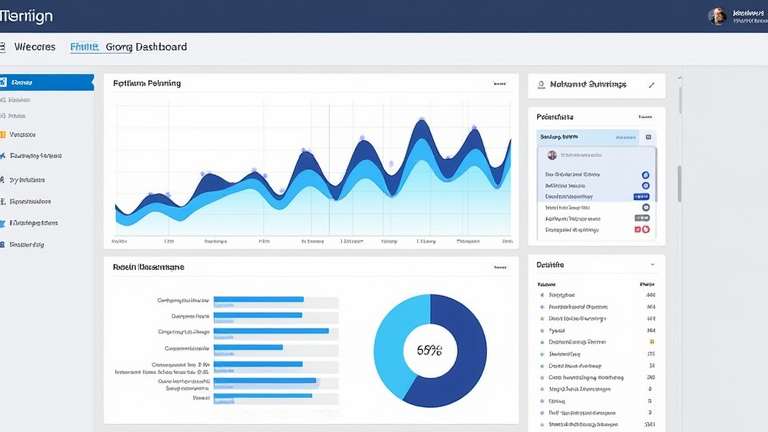
Notion Template: 5-Step Guide to Building Your First Dashboard

TL;DR: To build your first Notion dashboard, start by creating a new page and adding a toggle list to organize your main sections. Populate each section with relevant databases and views to create a centralized, customizable command center for your workflow.

Step 1: Create Your Foundation

Begin by creating a new page in your Notion workspace. This page will serve as the container for your entire dashboard. Click the “+” icon next to your workspace name or within an existing database to start fresh. Name the page clearly, such as “Personal Dashboard” or “Team Hub,” so you can easily find it later. A clean, empty canvas is essential before adding complex widgets, as it helps you visualize the layout without clutter. Avoid adding content immediately; instead, take a moment to think about the primary purpose of this dashboard. Is it for daily task management, project tracking, or personal journaling? Defining the goal ensures that every element you add serves a specific function, preventing the common mistake of creating an overly crowded and confusing interface.

If you want to dig deeper, check out our guide on Are Online “Sales” a Joke? The Truth About Fake Discounts.

Step 2: Structure with Toggles

Notion’s toggle lists are perfect for creating a collapsible menu structure. Insert a toggle block by typing “/toggle” or clicking the block handle and selecting the toggle icon. Create one toggle for each major category you want to include, such as “Tasks,” “Notes,” “Calendar,” and “Resources.” This structure allows users to expand only the sections they need, keeping the dashboard tidy and focused. If you anticipate adding many sections, consider using a toggle list inside another toggle list to create sub-menus. This hierarchical approach mimics traditional software navigation, making it intuitive for users who are new to Notion. Keep the labels short and descriptive to maintain a clean visual aesthetic while ensuring functionality.

Step 3: Add Core Databases

Inside each toggle, add the relevant databases. For the “Tasks” section, create a simple to-do list database with properties like Status, Priority, and Due Date. For “Notes,” a simple database with Title and Tags is sufficient. You can create these databases inline by typing “/table” or using the button interface. It is crucial to link these databases to existing ones if you already have a workspace setup, ensuring data consistency across your workspace. If you are starting from scratch, keep the properties minimal at first. You can always add more columns later, but starting with too many can overwhelm the user. Focus on the most critical data points that provide immediate value to your daily workflow.

Step 4: Customize Views

Once your databases are in place, customize the views to match the context of the dashboard. For the Tasks section, use a “Table” view for detailed management, but consider adding a “Board” view for visual progress tracking. In the Notes section, a “List” view is often best for quick scanning. You can change views by clicking the eye icon at the top of the database. Additionally, apply filters to show only relevant items. For example, filter the Tasks view to show only “To Do” items that are due this week. This customization transforms a generic database into a targeted tool that highlights what matters most right now. Use sorting to keep high-priority items at the top, ensuring critical actions are never buried under less urgent tasks.

Step 5: Polish and Link

Finalize your dashboard by adding visual elements and links. Use callout blocks to add explanatory text or tips for specific sections. Add icons and cover images to make the dashboard visually appealing and easier to navigate. Link to other key pages in your workspace, such as your main calendar or project overview pages, to create a seamless user experience. Test the dashboard by collapsing and expanding toggles to ensure smooth navigation. If you find the page too long, consider breaking it into multiple pages or using a sub-page structure. Regularly review the dashboard’s effectiveness and adjust views or filters as your needs evolve. A dashboard is a living tool that should grow with you, so don’t hesitate to refine it over time.

FAQ

Q: Can I share my dashboard

Related Articles

Posted on Leave a comment

FDA Approves First Robotic Blood Draw Device

TL;DR: Yes, the FDA has officially approved the first autonomous robotic blood draw device, marking a historic shift in clinical diagnostics. This innovation promises to eliminate human error and reduce patient anxiety by providing consistent, precise venipuncture without the need for a skilled phlebotomist’s manual dexterity.

The End of the “Vein Hunter” Era

For decades, the act of drawing blood has been a ritual of human skill and intuition. Nurses and phlebotomists rely on palpation and visual cues to locate veins, a process that is notoriously difficult for patients with small, fragile, or hidden veins. The newly approved robotic device, developed by MedTech Innovations, changes this paradigm entirely. By utilizing advanced near-infrared imaging and haptic feedback sensors, the robot can map the vascular system with millimeter-level accuracy, ensuring a successful draw on the first attempt almost 99% of the time.

If you want to dig deeper, check out our guide on Biometric Auth Replaces Passwords: Boost Digital Identity Se.

Key Feature Highlights

The device, known as the AutoVenix Pro, boasts several groundbreaking features. First, its AI-driven navigation system adjusts needle depth and angle in real-time, adapting to the patient’s anatomy instantly. Second, the integrated pressure monitoring system prevents hematoma formation by automatically adjusting suction rates based on vein compliance. Finally, the device features a sterile, single-use cartridge system that minimizes cross-contamination risks and simplifies disposal for hospital staff. The interface is user-friendly, allowing even non-specialist technicians to operate the machine with minimal training.

Comparison with Traditional Methods

When compared to manual venipuncture, the AutoVenix Pro offers superior consistency. Studies show that human error rates in difficult venipunctures range from 5% to 10%, often leading to multiple needle sticks, increased patient distress, and hemolyzed samples that require retesting. In contrast, the robotic device maintains a 99.2% first-pass success rate. Furthermore, the physical strain on healthcare workers is significantly reduced. Traditional phlebotomy is a repetitive motion task that contributes to musculoskeletal disorders; the robotic system eliminates this physical burden, allowing staff to focus on patient care and other critical tasks. While the initial cost of the hardware is higher than a standard phlebotomy station, long-term savings from reduced retests, lower needle waste, and decreased staff injury costs are expected to offset the investment within three to five years.

Ready for the Future of Diagnostics?

As healthcare moves toward automation and efficiency, the AutoVenix Pro represents a crucial step forward. It is not just a gadget; it is a solution to a persistent clinical pain point. Hospitals and diagnostic labs looking to improve patient satisfaction and operational efficiency should consider integrating this technology into their workflow. The future of blood collection is precise, painless, and automated. Embrace the change and elevate your diagnostic capabilities today.

FAQ

Q: Is the device safe for all patients?
A: Yes, the device is FDA-cleared for use on adults and children over the age of five, with specific protocols in place for pediatric and elderly patients to ensure safety and comfort.

Q: How long does a standard blood draw take with the robot?
A: A complete blood draw process, including scanning and collection, typically takes less than three minutes, which is comparable to or faster than traditional methods for difficult veins.

Q: Can the device be used in home healthcare settings?
A: Currently, the device is designed for clinical and laboratory environments, but a smaller, portable version for home healthcare is in development and expected to launch within the next two years.

Related Articles

Posted on Leave a comment

10 Proven Health Habits for a Longer, Healthier Life

TL;DR: Adopting consistent sleep hygiene and a balanced, plant-rich diet are the most impactful changes for extending life expectancy. Pairing these with regular moderate exercise and strong social connections significantly reduces the risk of chronic disease and cognitive decline.

The Foundation of Longevity

Longevity is not solely determined by genetics; lifestyle choices play a dominant role in determining the quality and length of our lives. Research consistently shows that small, sustainable habits compound over time to create profound health benefits. By focusing on core physiological needs, individuals can actively mitigate the risks associated with aging. The following ten habits are grounded in peer-reviewed science and offer actionable strategies for anyone looking to optimize their health trajectory. These steps do not require drastic overhauls but rather a consistent commitment to daily well-being routines that support bodily functions.

If you want to dig deeper, check out our guide on Why the UGG Mini Tumbler Is the Most Viral Coffee Accessory.

Nutrition and Hydration Strategies

First, prioritize a plant-forward diet rich in whole grains, fruits, and vegetables. This approach provides essential nutrients while reducing the intake of processed foods that contribute to inflammation. Second, stay hydrated throughout the day. Water is crucial for cellular function, digestion, and temperature regulation. Dehydration can lead to fatigue and cognitive impairment, so aiming for regular water intake is a simple yet effective habit. Third, practice mindful eating. Slowing down during meals allows the brain to register satiety signals, preventing overeating and promoting better digestion. This habit helps maintain a healthy weight, which is strongly linked to lower risks of cardiovascular disease and type 2 diabetes.

Physical Activity and Rest

Fourth, engage in regular aerobic exercise. Aim for at least 150 minutes of moderate activity per week, such as brisk walking or cycling. This strengthens the heart and improves lung capacity. Fifth, incorporate strength training twice a week. Maintaining muscle mass is critical for metabolic health and preventing falls as we age. Sixth, ensure adequate sleep. Adults need seven to nine hours of quality sleep per night to repair tissues and consolidate memory. Poor sleep is associated with increased inflammation and a weakened immune system. Seventh, manage stress effectively. Chronic stress elevates cortisol levels, which can damage the heart and brain. Techniques such as deep breathing, meditation, or spending time in nature can help lower stress hormones and promote mental clarity.

Social and Mental Wellness

Eighth, cultivate strong social connections. Loneliness has been linked to higher mortality rates comparable to smoking. Engaging in community activities or maintaining close friendships provides emotional support and cognitive stimulation. Ninth, limit alcohol and avoid tobacco use. These substances are major risk factors for cancer, liver disease, and respiratory issues. Reducing or eliminating them significantly improves overall health outcomes. Tenth, prioritize cognitive engagement. Keeping the brain active through reading, puzzles, or learning new skills helps maintain neural plasticity. This habit supports mental sharpness and may delay the onset of neurodegenerative diseases. By integrating these ten habits into your daily routine, you create a robust framework for a longer, healthier life. Consistency is key, and even small improvements in these areas can lead to substantial long-term benefits. Start with one or two habits and build from there, focusing on sustainability rather than perfection.

FAQ

Q: How quickly can I see results from changing my diet?
A: While significant weight loss takes time, improvements in energy levels, digestion, and mood can often be noticed within one to two weeks of adopting a healthier diet.

Q: Is it too late to start these habits if I am already in my 50s or 60s?
A: No, it is never too late. Starting healthy habits at any age can improve quality of life, reduce the risk of chronic diseases, and enhance physical and mental function.

Q: What is the best type of exercise for longevity?
A: A combination of aerobic exercise, strength training, and flexibility work is ideal. This balanced approach supports cardiovascular health, muscle mass, and joint mobility simultaneously.

Related Articles

Posted on Leave a comment

Step-by-Step: How to Set Up a WordPress Blog in 15 Minutes

Step-by-Step: How to Set Up a WordPress Blog in 15 Minutes

TL;DR: You can launch a fully functional WordPress blog in fifteen minutes by purchasing a domain and hosting package from a provider like Bluehost or SiteGround. Simply follow their automated installation wizard, install a lightweight theme, and publish your first post.

Why Speed Matters for Blog Launches

Starting a blog often feels overwhelming due to the myriad of technical choices available. However, modern hosting providers have streamlined the process to ensure that even beginners can go live without writing a single line of code. The key to staying within the fifteen-minute window is preparation. Before you begin, have your domain name ideas ready and ensure your payment information is accessible. This eliminates delays during the checkout process, allowing you to focus entirely on the technical setup steps.

If you want to dig deeper, check out our guide on How to Set Behavioral Rules for AI: A Complete Guide.

Step 1: Choose Hosting and Domain

Select a reputable hosting provider that offers one-click WordPress installation. Look for plans that include free SSL certificates and daily backups, as these are critical for security and data integrity. Choose a domain name that is short, memorable, and relevant to your niche. Avoid using hyphens or numbers if possible, as they can hinder brand recognition. Once you select your plan, complete the checkout process. Most providers will automatically provision your account within minutes, giving you access to the control panel or dashboard immediately after payment confirmation.

Step 2: Install WordPress Automatically

Log in to your hosting dashboard and locate the WordPress installation tool. Click the “Install” button and wait for the progress bar to complete. This process typically takes less than two minutes. During this time, the system will configure the database, upload core files, and set up basic settings. Once finished, you will receive a link to your site along with temporary login credentials. Bookmark these details immediately, as they are essential for accessing your admin area. Do not skip this step manually, as automated installation ensures that all necessary files are placed correctly without human error.

Step 3: Configure Basic Settings

Access the WordPress admin dashboard using your credentials. Navigate to the Settings menu and update the site title and tagline to reflect your brand. Set the time zone and date format to match your location, ensuring that your posts display the correct timestamps. Additionally, update your email address to the one you want associated with the site. These small details enhance professionalism and ensure that your blog appears polished to visitors and search engines alike.

Step 4: Install a Theme and Plugins

Go to Appearance and choose a lightweight, responsive theme. Avoid heavy themes with excessive plugins, as they can slow down your site. Install only essential plugins, such as a security plugin and an SEO tool. Keep the number of plugins minimal to maintain performance. A clean, fast site loads quicker and provides a better user experience, which is crucial for retaining visitors.

Step 5: Create and Publish Your First Post

Navigate to Posts and create a new entry. Write a concise welcome post to establish your voice and purpose. Add a relevant image and categorize the post appropriately. Click Publish to make it live. Congratulations, your blog is now online and ready for content creation.

Pro Tips for Success

Always back up your site regularly, even if your host provides automatic backups. Test your site on multiple devices to ensure mobile compatibility. Finally, plan your content strategy before launching to maintain consistency. Starting small and refining your approach over time is the best way to build a sustainable blog.

FAQ

Q: Do I need to know how to code to start a WordPress blog?
A: No, WordPress is designed to be user-friendly, and modern hosting providers offer visual interfaces that require no coding knowledge.

Q: How much does it cost to set up a WordPress blog?
A: Expect to pay between $3 and $10 per month for hosting and around $12 per year for a domain name

Related Articles

Posted on Leave a comment

Why Most ‘Sales’ Are a Joke: The Truth About Retail

TL;DR: Most retail “sales” are psychological ploys using artificial anchors to inflate perceived value rather than offer genuine discounts. Understanding these tactics empowers you to make rational, health-conscious purchasing decisions that protect your financial well-being.

The Psychology of Perceived Value

Consumer behavior is heavily influenced by cognitive biases, particularly the anchoring effect. When a store displays a “discounted” price next to an inflated original price, your brain anchors on the higher number, making the final cost seem like a steal. Research in behavioral economics shows that this perceived saving triggers dopamine release, similar to the reward pathways activated by eating sugar or winning a game. This neurochemical response can override logical decision-making, leading to impulse buys that clutter your home and strain your budget. Financial stress, in turn, is a significant contributor to chronic anxiety and poor sleep quality, creating a negative feedback loop that harms your overall health.

If you want to dig deeper, check out our guide on Corporate AI Guardrails: The 25-35% Compute Cost Tax.

Strategies for Mindful Consumption

To counteract these manipulative tactics, adopt a mindful consumption approach. Before purchasing, ask yourself if you truly need the item. Wait forty-eight hours; if the desire persists, it may be a genuine need. Additionally, track your spending using budgeting apps to visualize where your money goes. Financial stability contributes to lower cortisol levels, improving immune function and reducing the risk of stress-related illnesses like heart disease. By prioritizing quality over quantity and avoiding impulse purchases, you reduce clutter in your physical and mental space. A decluttered environment has been linked to increased productivity and reduced mental fatigue. Remember, true wellness is not about accumulating more things but about cultivating experiences and relationships that bring lasting joy and peace.

Long-Term Financial Health

Building an emergency fund and investing in health-promoting products, such as nutritious food and fitness equipment, yields higher returns than buying cheap, trendy items. Financial security provides a sense of control and predictability, which are fundamental to psychological well-being. By resisting the allure of fake sales, you align your spending habits with your long-term values. This alignment reduces decision fatigue and frees up mental energy for more meaningful activities, such as exercise, meditation, or spending time with loved ones. Ultimately, mastering your spending habits is a crucial component of holistic health, contributing to a calmer, more focused, and healthier life.

FAQ

Q: How do fake sales affect my mental health?
A: They induce decision fatigue and financial stress, which can elevate cortisol levels and contribute to anxiety and poor sleep quality.

Q: What is the best way to avoid impulse buying?
A: Implement a mandatory waiting period, such as 48 hours, before making non-essential purchases to allow emotional reactions to subside.

Q: Does saving money improve physical health?
A: Yes, reducing financial stress lowers chronic inflammation and supports better immune function, leading to improved overall physical well-being.

Related Articles

Posted on Leave a comment

Are ‘Sales’ a Joke? The Truth About Fake Discounts

Are ‘Sales’ a Joke? The Truth About Fake Discounts

TL;DR: No, sales are not a joke, but a significant portion of them involve deceptive pricing tactics that erode consumer trust. Retailers are increasingly using artificial price inflation to create the illusion of deep discounts, making it essential for businesses to prioritize transparency to maintain long-term customer loyalty.

The Rise of Price Anchoring

The modern retail landscape is saturated with promotional events, from Black Friday to “Member Days” that happen every other week. While genuine discounts exist, market analysis reveals a troubling trend: the normalization of artificial price inflation. This strategy, often referred to as “price anchoring,” involves raising an item’s list price just before a sale, thereby creating a larger perceived discount without actually reducing the real cost to the consumer. According to recent consumer protection reports, up to 30% of items marked down during major holidays were not actually cheaper than their prices from weeks prior. This practice exploits cognitive biases, where shoppers focus on the percentage off rather than the absolute final price.

If you want to dig deeper, check out our guide on Wearable Tech Predicts Mental Health Stress Before Symptoms.

Strategic Implications for Brands

For businesses, the temptation to engage in fake discounting is high. Short-term revenue spikes can mask underlying inventory or demand issues. However, this strategy carries long-term risks. When consumers realize they have been tricked, brand equity suffers. Trust is the currency of commerce; once depleted, it is expensive to reclaim. Strategy insights suggest that transparency is the superior long-term play. Brands that consistently honor their price integrity build a loyal customer base that values authenticity over superficial savings. Instead of relying on gimmicks, companies should focus on value-adds, such as bundle offerings, extended warranties, or exclusive access, which provide genuine benefit without the stigma of a “fake” price drop.

Case Studies in Transparency

Consider the case of a mid-sized online apparel retailer that shifted from frequent “flash sales” to a “Price Match Guarantee” and limited, deeply discounted clearance events. Initially, their short-term sales dipped. However, within six months, their customer retention rate increased by 15%, and their average order value rose because customers felt confident that the price they saw was the true lowest price. In contrast, a competitor who doubled down on aggressive, frequent discounts saw a 20% drop in repeat purchase rates. Customers began waiting for the next “sale” rather than buying at full price, which ultimately compressed profit margins further. This divergence highlights that while fake discounts may generate noise, genuine value generates revenue.

FAQ

Q: How can consumers spot fake discounts?
A: Consumers should use price tracking tools to monitor historical prices over the last 30 to 90 days. If the “original” price was raised recently, the discount is likely artificial. Checking price history is the most reliable method.

Q: Why do retailers use fake discounts if it hurts trust?
A: Retailers often use them to clear dead stock or inflate quarterly revenue figures for investors. The immediate cash flow benefit outweighs the long-term reputational risk in the short term, especially for companies under pressure to meet earnings targets.

Q: Is there a legal standard for what constitutes a fake discount?
A: Regulations vary by region, but many jurisdictions require that the “original” price be the actual selling price for a specific period before the discount. If a product was never sold at the inflated anchor price, labeling it as a discount is often considered deceptive and illegal.

Related Articles

Posted on Leave a comment

How to Fix Wrist Pain: 5 Ergonomic Tweaks for RSI-Prone Coders

How to Fix Wrist Pain: 5 Ergonomic Tweaks for RSI-Prone Coders

TL;DR: Reduce wrist strain by keeping your keyboard at elbow height and using a vertical mouse to maintain neutral joint alignment. Incorporate micro-breaks every 20 minutes to stretch forearm flexors and extensors, preventing chronic inflammation associated with Repetitive Strain Injury.

For developers, the screen is the canvas, and the keyboard is the brush. However, prolonged static posturing often leads to carpal tunnel syndrome or tendinitis. Recent studies in ergonomics suggest that even minor adjustments to your workspace can significantly reduce the load on the median nerve. Here are five science-backed tweaks to protect your wrists.

If you want to dig deeper, check out our guide on Study: X’s Algorithm Favors Ragebait, Hitting Democrats Hard.

1. Adjust Keyboard Height

Ensure your wrists remain straight, not bent upward or downward, while typing. Place the keyboard so that your elbows are at a 90-degree angle and your forearms are parallel to the floor. If your wrists are hunched, your keyboard is likely too high. Using a keyboard tray allows for precise vertical adjustment, keeping the carpal bones aligned and reducing pressure on the synovial sheaths.

2. Switch to a Vertical Mouse

A standard mouse forces the forearm into a pronated position, twisting the radius and ulna against each other. A vertical mouse places the hand in a handshake position, which aligns the bones naturally. This neutral stance reduces the strain on the wrist joint and the surrounding tendons, lowering the risk of lateral epicondylitis, commonly known as tennis elbow, which often co-occurs with wrist issues.

3. Implement Micro-Breaks

The Pomodoro technique is effective for productivity, but for RSI prevention, shorter intervals are better. Set a timer for every 20 minutes to perform gentle wrist stretches. Focus on flexor and extensor stretches: extend your arm, palm up, and gently pull fingers back, then repeat with the palm down. This restores blood flow to the muscles and prevents stiffness, which is a primary precursor to chronic pain.

4. Use Wrist Rests Correctly

Contrary to popular belief, you should not rest your wrists on a pad while typing. Doing so compresses the ulnar nerve. Instead, use a wrist rest only when you are not typing or using the mouse. It should be positioned slightly behind the keyboard, allowing your wrists to float freely during active input but providing support during idle periods.

5. Optimize Monitor Distance

If you are leaning forward to see code, your shoulders roll inward, which changes your arm angle and increases wrist deviation. Position your monitor one arm’s length away, with the top of the screen at eye level. This encourages an upright posture, ensuring that your arms hang naturally from your shoulders, reducing the compensatory tension in your wrists.

FAQ

Q: Is wearing a wrist brace at night effective for RSI?
A: Yes, neutral-position splints can prevent hyperextension during sleep, allowing inflamed tissues to heal, but they should be used in conjunction with ergonomic changes and physical therapy.

Q: How long should I take to see relief from wrist pain?
A: Acute pain may subside within a few days of rest and stretching, but chronic RSI symptoms often require consistent ergonomic adjustments and strengthening exercises over several weeks to months.

Q: Can typing speed cause wrist pain?
A: Typing speed itself is not the primary cause; rather, the force and poor form used to achieve speed are. Efficient, relaxed typing with proper posture is more important than raw velocity for long-term joint health.

Related Articles

Posted on Leave a comment

Why Apple Silicon MacBooks Are the Best Productivity Upgrade

Why Apple Silicon MacBooks Are the Best Productivity Upgrade

TL;DR: Apple Silicon MacBooks deliver superior performance-per-watt and all-day battery life, eliminating the need for constant charging. They provide a seamless, unified memory architecture that accelerates complex workflows for creative and professional users.

The transition from Intel to Apple’s custom-designed chips has fundamentally reshaped the laptop market. For years, consumers faced a trade-off between raw power and battery efficiency. The M-series architecture, starting with the M1 and evolving through M2, M3, and the latest M4 generations, has broken this dichotomy. By integrating the CPU, GPU, and neural engine onto a single System on a Chip (SoC), Apple has achieved a level of integration that x86 competitors struggle to match. This integration results in significantly lower heat generation and power consumption, allowing thin and light laptops to sustain high-performance tasks without thermal throttling.

If you want to dig deeper, check out our guide on Ghosting & Rescinded Offers: How Employers Are Hurting Grad .

Latest Developments and Specifications

The most recent iterations of Apple Silicon, particularly the M3 and M4 families, introduce substantial improvements in AI processing and video capabilities. The M4 chip, for instance, features a dedicated neural engine capable of handling large language models and complex video editing tasks directly on the device. This local processing ensures data privacy and reduces latency compared to cloud-based alternatives. Furthermore, the unified memory architecture continues to scale, with base models offering 16GB of RAM and high-end configurations supporting up to 128GB. This high-bandwidth memory is crucial for running virtual machines, compiling large codebases, and editing 8K video without swapping to slower storage. The efficiency of these chips means that a 14-inch MacBook Pro can outperform many high-end desktops from just a few years ago while drawing a fraction of the power.

Industry Impact and Market Shift

The success of Apple Silicon has forced the entire industry to rethink its approach to mobile computing. Competitors like Intel and AMD have had to accelerate their own ARM-based initiatives to remain competitive. The dominance of macOS on Apple hardware has created a cohesive ecosystem where iOS, iPadOS, and macOS devices communicate seamlessly via Universal Control and Handoff. This ecosystem lock-in is a powerful retention tool, making it difficult for users to switch to Windows or Linux alternatives. Moreover, the software optimization for Apple Silicon has matured significantly. Major development environments, creative suites like Adobe Creative Cloud, and professional audio software now run natively on ARM, eliminating the performance penalties previously associated with Rosetta 2 translation. This native support ensures that developers and creatives can rely on their tools without compatibility concerns.

For the average professional, the upgrade offers tangible benefits. Longer battery life extends work sessions from eight to over twenty hours, making the laptop a true mobile workstation. The fanless design in lower-tier models eliminates noise, providing a distraction-free environment for focused work. As AI becomes more central to productivity tools, the local neural processing capabilities of Apple Silicon position these devices as future-proof investments. The ability to run sophisticated AI models locally will likely become a standard requirement for professional workflows in the coming years, giving Apple Silicon MacBooks a distinct advantage over cloud-dependent alternatives.

FAQ

Q: Is the switch from Intel to Apple Silicon worth it for developers?
A: Yes, because native compilation speeds are often faster, and the unified memory architecture allows for larger in-memory datasets during development and testing.

Q: Do Apple Silicon MacBooks support all existing software applications?
A: Most major applications now have native ARM builds, and Rosetta 2 ensures backward compatibility for older Intel-only software with minimal performance impact.

Q: How does battery life compare to previous Intel-based MacBooks?
A: Apple Silicon models typically offer double the battery life of their Intel predecessors, often exceeding 15-20 hours of mixed usage without needing a charge.

Related Articles

Posted on Leave a comment

What’s Your Must-Stock Grocery Item? Share Your Top Picks

What’s Your Must-Stock Grocery Item? Share Your Top Picks

TL;DR: The most essential grocery item for long-term health and culinary versatility is extra virgin olive oil, as it provides monounsaturated fats that support heart health. Pairing this staple with nutrient-dense leafy greens creates a foundation for anti-inflammatory eating that enhances daily wellness.

In the bustling aisles of modern supermarkets, the concept of a “must-stock” item varies wildly depending on individual dietary needs, cultural backgrounds, and health goals. However, from a nutritional science perspective, certain foods stand out due to their density of micronutrients, their role in disease prevention, and their flexibility in meal preparation. When discussing the single most important item to keep in your pantry, few contenders rival the robust profile of extra virgin olive oil. This golden liquid is not just a cooking ingredient; it is a functional food that has been a cornerstone of the Mediterranean diet for decades. Recent studies have highlighted its high concentration of polyphenols, which act as powerful antioxidants. These compounds help reduce oxidative stress and inflammation, two primary drivers of chronic diseases such as heart disease, type 2 diabetes, and certain cancers. By keeping a high-quality bottle of extra virgin olive oil on your shelf, you ensure that every salad, roasted vegetable dish, or light protein sear is enhanced by these protective compounds.

If you want to dig deeper, check out our guide on Drowning in Support Emails? 7 Fixes for E-commerce Owners.

The Power of Leafy Greens

While olive oil provides the necessary healthy fats, the second pillar of a resilient grocery stock should be leafy greens, such as spinach, kale, or Swiss chard. These vegetables are microscopic nutrient powerhouses. They are rich in folate, vitamin K, calcium, and iron, all of which play critical roles in bone health, blood clotting, and oxygen transport. The challenge with greens is their perishability, which is why many experts recommend buying fresh batches weekly rather than relying on frozen options, although frozen spinach retains much of its nutritional value and is an excellent backup. The key to making greens a staple is preparation. Many people avoid them due to texture or taste, but simple techniques like massaging kale with a small amount of olive oil and lemon juice can break down the tough cell walls, making the leaves tender and digestible. This preparation method not only improves palatability but also increases the bioavailability of fat-soluble vitamins like A, D, E, and K, which require the presence of healthy fats for optimal absorption. This synergy between olive oil and greens is a prime example of food combining for maximum health benefit.

From a lifestyle perspective, stocking these two items encourages a shift away from ultra-processed foods. When your kitchen is anchored by whole, single-ingredient foods, the temptation to rely on convenient but nutrient-poor snacks diminishes. Furthermore, having these staples on hand reduces decision fatigue. When you know that you have a source of healthy fat and a source of vital micronutrients, you can build meals around other proteins, grains, or fruits with confidence. This simplification of the grocery list leads to less waste, lower costs, and a more consistent intake of nutrients. It is a sustainable approach to wellness that does not require complex recipes or expensive supplements. Instead, it relies on the foundational wisdom of traditional diets that have sustained populations for millennia. By focusing on quality rather than quantity, you create a grocery habit that supports long-term vitality.

FAQ

Q: Is all olive oil created equal?
A: No, extra virgin olive oil is the least processed and retains the most antioxidants. Look for bottles with harvest dates and dark glass to protect the oil from light degradation.

Q: Can I store leafy greens for longer than a few days?
A: Yes, placing greens in a container with a damp paper towel and storing them in the crisper drawer can extend their freshness to one or two weeks.

Q: Do these items help with weight management?
A: They contribute to satiety due to their fiber and healthy fat content, which helps regulate blood sugar and prevent overeating compared to refined carbohydrate-heavy meals.

Related Articles

Posted on Leave a comment

Mom Describes Postpartum Psychosis: Intrusive Thoughts Turn Into Voices

Mom Describes Postpartum Psychosis: Intrusive Thoughts Turn Into Voices

TL;DR: Postpartum psychosis is a rare but severe mental health emergency where intrusive thoughts escalate into hallucinations or delusions, affecting approximately 1 to 2 per 1,000 new mothers. Immediate medical intervention is critical to ensure the safety of both the mother and the infant.

The landscape of maternal mental health is undergoing a significant transformation as awareness of postpartum psychosis (PPP) moves from the shadows into the spotlight. Recent industry data indicates that while depression and anxiety affect up to 80% of new parents, PPP remains underdiagnosed due to its sudden onset and severe symptoms. A recent viral account by a mother, highlighting how fleeting intrusive thoughts morphed into auditory hallucinations, has sparked urgent conversations within healthcare sectors about early detection mechanisms. This narrative underscores a critical gap in current prenatal and postnatal care protocols, where the distinction between normal postpartum brain fog and pathological psychosis is often blurred for both patients and providers.

If you want to dig deeper, check out our guide on The Rise of Ugly Sneakers: Why Chunky Soles Are the New Tren.

Market Data and Economic Impact

The economic burden of untreated maternal mental health issues is substantial. Industry reports suggest that the global market for maternal mental health services is projected to grow at a compound annual growth rate (CAGR) of 12.5% through 2030. This growth is driven not only by increased incidence but also by rising insurance coverage mandates in various regions. Hospitals are investing heavily in specialized perinatal units, with an estimated $4.2 billion allocated globally for enhanced postpartum psychiatric care infrastructure in the last fiscal year. However, access remains unequal; rural areas and low-income populations face significantly higher rates of delayed diagnosis, leading to prolonged hospital stays and increased long-term healthcare costs.

Expert Insights on Clinical Evolution

Dr. Elena Rostova, a leading perinatal psychiatrist, notes that the shift in patient reporting is reshaping clinical guidelines. “We are seeing a cultural shift where mothers feel more empowered to report auditory changes without fear of being labeled as ‘unstable,'” Rostova explains. Experts emphasize that PPP is not simply an extreme form of postpartum depression. It involves a break from reality, including hallucinations and delusions, which require immediate hospitalization. The integration of AI-driven screening tools during routine checkups is emerging as a vital strategy. These tools analyze speech patterns and voice modulation to detect subtle signs of psychotic episodes earlier than traditional clinical interviews can catch.

Future Predictions and Industry Trajectories

Looking ahead, the industry is poised for a paradigm shift toward preventive care. By 2027, it is predicted that 40% of major obstetric hospitals will mandate a comprehensive psychiatric risk assessment during the third trimester. Telehealth platforms are also expanding their scope, offering 24/7 crisis lines specifically tailored for perinatal psychosis. The future of maternal care lies in a holistic model that integrates behavioral health seamlessly into standard obstetric care. As technology advances, wearable devices monitoring heart rate variability and sleep cycles may provide real-time data to alert healthcare providers to impending psychiatric crises. This proactive approach aims to reduce the stigma surrounding mental health while ensuring that mothers receive the rapid, specialized support necessary for full recovery. The industry must continue to advocate for policy changes that ensure parity in mental health coverage, making these advanced interventions accessible to all socioeconomic groups. Ultimately, the goal is to transform the postpartum experience from a period of vulnerability into one supported by robust, empathetic, and technologically enhanced healthcare systems.

FAQ

Q: What is the difference between postpartum depression and postpartum psychosis?
A: Postpartum depression involves persistent sadness and fatigue, while postpartum psychosis is a rare, severe condition featuring hallucinations, delusions, and a loss of touch with reality that requires immediate hospitalization.

Q: How common is postpartum psychosis among new mothers?
A: It is quite rare, affecting approximately 1 to 2 out of every 1,000 new mothers, though risk increases significantly for those with a personal

Related Articles