
TL;DR: Yes, you should absolutely keep going to a food bank if you are experiencing financial hardship or food insecurity. Utilizing these resources is a responsible step toward stability, and most centers have no income limits or strict eligibility requirements that would prevent you from receiving help.
Why Food Banks Are Essential Support Systems
Navigating financial difficulties can feel isolating, but accessing community resources is a powerful way to regain control. Food banks are designed to serve neighbors in need, regardless of their background. Here are five key reasons why continuing to use these services is a wise and beneficial decision for your household.
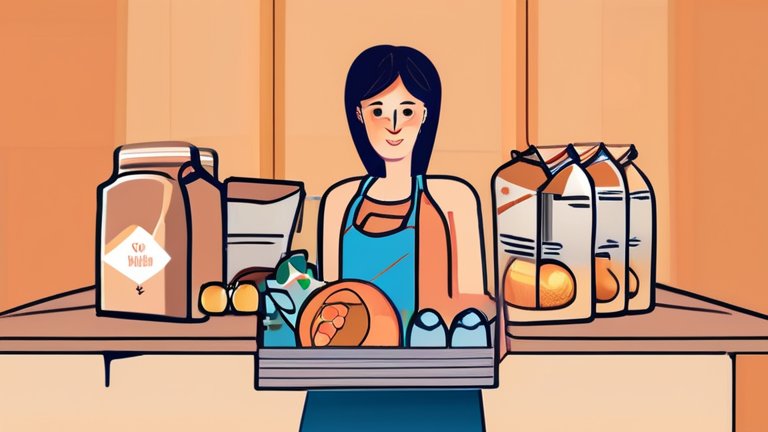
1. Immediate Relief for Nutritional Needs
The primary function of a food bank is to provide immediate access to nutritious food. Many families struggle to balance grocery budgets with other essential expenses like rent and utilities. By securing reliable access to fresh produce, proteins, and pantry staples, you ensure that your family maintains a balanced diet. This immediate relief reduces the stress of “what’s for dinner” and helps prevent the health issues associated with poor nutrition during tough times.
2. Financial Stability and Budget Management
Using a food bank allows you to redirect limited funds toward other critical needs. Every dollar saved on groceries is a dollar that can go toward paying bills, saving for emergencies, or investing in education. This strategic allocation of resources is a crucial step in breaking the cycle of debt. It is not about avoiding responsibility; it is about smart resource management during a challenging period.
3. Access to Fresh and Diverse Foods
Modern food banks have evolved significantly. Many now offer fresh fruits, vegetables, dairy products, and even meat, rather than just canned goods. Some locations partner with local farms to provide seasonal items. This diversity ensures that you are not just surviving, but thriving with a variety of dietary options. Taking advantage of these fresh offerings can improve your overall health and make meal preparation more enjoyable.
4. Community Connection and Support
Visiting a food bank connects you with a broader network of support. Volunteers and staff are often passionate about helping their community and can provide information on other local resources. You may meet other families facing similar challenges, creating a sense of solidarity and shared experience. This social connection can be mentally uplifting and provide practical advice on navigating local assistance programs.
5. No Judgment and Confidentiality
Food banks operate with a mission of dignity and respect. Most centers ensure that your visit is private and free from judgment. Staff are trained to treat every visitor with kindness and professionalism. You do not need to prove your worthiness or endure lengthy interrogations to receive help. The focus is entirely on meeting your basic needs, allowing you to maintain your dignity while accessing essential services.
FAQ
Q: Do I need to provide proof of income to visit a food bank?
A: Most food banks do not require strict proof of income or identification, though some may ask basic questions to tailor the assistance you receive. It is best to call ahead to check specific local requirements, but generally, they are open to anyone in need.
If you want to dig deeper, check out our guide on One Prompt Built This Dashboard Front End (Fake Data). Toy o.
Q: How often can I visit a food bank?
A: Frequency varies by location; some operate on a monthly basis, while others may allow weekly visits. Check with your specific food bank to understand their distribution schedule and any limits on visit frequency.
Q: Can I choose the food I receive?
A: Many modern food banks use a “choice pantry” model where you can select items that fit your dietary needs and preferences, similar to shopping in a grocery store. This ensures you receive food you will actually eat and enjoy.