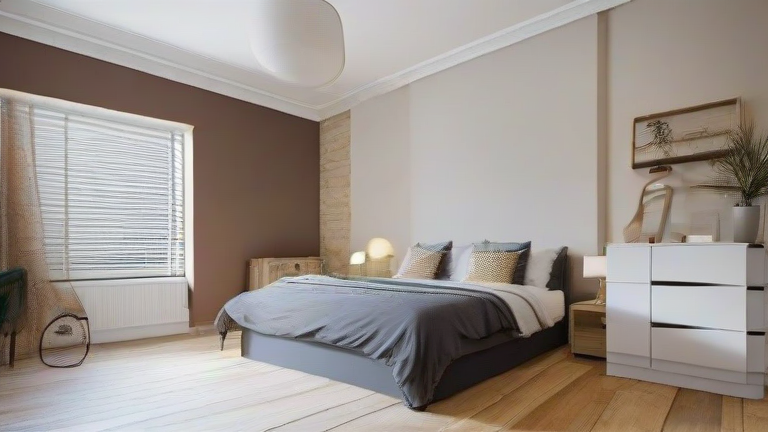
TL;DR: Renting out a spare bedroom is a strategic way to generate passive income while fostering cultural exchange and personal growth. By carefully screening tenants and establishing clear boundaries, homeowners can create a harmonious living environment that benefits both parties financially and socially.
Embracing the Roommate Revolution
In an era where remote work has redefined our relationship with space, many homeowners find themselves looking at empty rooms with a mix of nostalgia and opportunity. The concept of renting out a spare bedroom is no longer just about paying the mortgage; it is about curating a lifestyle that blends financial prudence with human connection. Whether you are interested in attracting a fellow traveler seeking a cultural immersion or a young professional eager to learn from your life experiences, the dynamics of shared living can be profoundly enriching. However, success in this endeavor requires more than just a comfortable bed; it demands a thoughtful approach to hospitality, privacy, and mutual respect.
Setting the Stage for Success
Before you list your space, it is crucial to define the parameters of your new living arrangement. Are you looking for a short-term guest who will explore the local food scene and share stories over dinner, or a long-term tenant who contributes to household chores? Your answer will dictate the marketing strategy and the screening process. Create a compelling listing that highlights not only the physical amenities of the room but also the unique aspects of your home’s culture. Does your neighborhood boast the best artisanal coffee shops? Is there a community garden nearby that fosters a sense of local pride? These details appeal to individuals who value lifestyle and community over mere convenience.
Financial transparency is equally important. Clearly outline the rent, utility contributions, and any additional fees. Be upfront about house rules regarding noise, guests, and shared spaces like the kitchen and bathroom. A well-drafted agreement protects both you and your potential tenant, ensuring that expectations are aligned from the start. This clarity prevents misunderstandings and fosters a respectful environment where everyone feels valued. Consider the financial benefits as a means to fund personal growth opportunities, such as home renovations or travel, which in turn makes your home a more attractive place for potential renters.
If you want to dig deeper, check out our guide on Alamo Toronto Airport (YYZ) Saved Our Trip: A Night to Remem.
Cultivating Harmony
Living with a roommate can be a powerful exercise in personal growth. It challenges you to communicate effectively, resolve conflicts, and appreciate diverse perspectives. To maintain harmony, establish regular check-ins to discuss any concerns or adjustments needed. This proactive approach prevents small issues from escalating into major disputes. Additionally, encourage open dialogue about cultural differences or lifestyle habits that might cause friction. By fostering an environment of empathy and understanding, you create a home that is not just a place to sleep but a sanctuary of shared experiences.
The Cultural Exchange
For many, the true value of renting out a room lies in the cultural exchange. You might find yourself learning about a new cuisine, music genre, or historical perspective from your tenant. This exposure broadens your horizons and enriches your daily life. It transforms the mundane routine of household management into a vibrant tapestry of global interactions. Embrace this opportunity to learn and grow, knowing that the financial rewards are merely a bonus to the deeper, more meaningful connections you forge.
FAQ
Q: How do I screen potential tenants effectively?
A: Conduct thorough background checks, verify employment and income stability, and request references from previous landlords to ensure reliability and responsibility.
Q: What should I include in a rental agreement?
A: Your agreement should clearly state the rent amount, due dates, security deposit details, house rules, maintenance responsibilities, and policies on guests and subletting to protect both parties.
Q: How can I maintain privacy while sharing common spaces?
A: Establish designated quiet hours, create a schedule for using shared amenities like the kitchen or laundry room, and communicate openly about boundaries to ensure mutual respect and comfort.