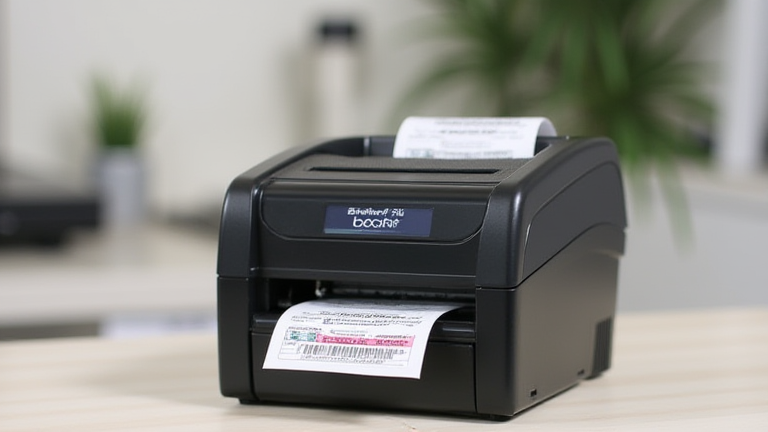
Why Your Brother P-Touch Tape Labeler Is Still Printing After 10 Years
TL;DR: Your device survives because it uses robust, simple thermal technology with no moving print heads to break. Its longevity stems from high-quality materials and a design that minimizes mechanical wear and tear.
It is rare to find any piece of electronic office equipment that remains functional and reliable after a decade of use. However, the Brother P-Touch labeler has become a legendary staple in households and offices worldwide. Understanding why it lasts so long helps you maintain its performance for years to come. This guide explains the engineering reasons behind its durability and provides steps to keep your unit running smoothly.
If you want to dig deeper, check out our guide on How to Choose Monthly Promotions: A Strategic Guide.
The Engineering Behind the Longevity
First, the thermal printing process is inherently durable. Unlike inkjet printers, which suffer from clogged nozzles and dried ink, thermal printers use heat to activate dye on special tape. There are no cartridges to dry out and no complex moving parts to jam. The print head is a simple, solid block of metal that wears very slowly. Second, Brother designs these devices with industrial-grade components. The rollers, gears, and motors are built to withstand thousands of cycles without degradation. Finally, the power management is efficient. The device draws minimal power, reducing stress on internal circuitry and extending battery life significantly.
Step-by-Step Maintenance Instructions
Follow these steps to ensure your labeler continues to perform optimally. Regular maintenance prevents minor issues from becoming major failures.
Step 1: Clean the Print Head Regularly. Use a cotton swab lightly dampened with isopropyl alcohol. Gently wipe the print head to remove dust and adhesive residue. This prevents blurry prints and extends the life of the thermal element. Do this once a month or whenever you notice quality degradation.
Step 2: Inspect the Rollers. Open the tape compartment and check the rubber rollers for cracks or debris. Use a clean, dry cloth to wipe them down. If the rollers are hardened or cracked, consider replacing them with OEM parts to ensure proper tape feeding.
Step 3: Store Properly. Keep the labeler in a cool, dry place when not in use. Extreme temperatures can affect the battery and the thermal head. Always remove the battery if you plan to store the device for more than a month to prevent leakage.
Pro Tips for Maximum Durability
Use only genuine Brother tape cartridges. Third-party tapes often have different thermal properties that can damage the print head. Avoid forcing the tape if it jams; instead, gently reverse the mechanism. Keep the firmware updated if your model supports it, as updates often include optimizations for power efficiency and print quality.
FAQ
Q: Can I use third-party tape without damaging the printer?
A: It is not recommended. Third-party tapes may have inconsistent thermal transfer properties, leading to poor print quality or potential damage to the print head over time.
Q: How do I clean the rollers if they are sticky?
A: Use a small amount of isopropyl alcohol on a lint-free cloth. Gently rub the rollers in a circular motion until the stickiness is gone, then let them air dry completely before reassembling.
Q: What should I do if the print head stops working?
A: First, try cleaning the head thoroughly. If that fails, contact Brother support for a repair or consider purchasing a replacement unit, as print heads are generally not user-replaceable.