Posted on Leave a comment

Ghosting & Rescinded Offers: How Employers Are Hurting Grad Morale

TL;DR: Ghosting and rescinded offers trigger significant psychological stress in new graduates, leading to increased cortisol levels and a phenomenon known as “imposter syndrome” that undermines professional confidence. To mitigate these negative health impacts, graduates should establish rigorous digital boundaries, engage in mindfulness practices to regulate their nervous system, and cultivate a robust peer support network to maintain mental resilience during the uncertain job search process.

The Neuroscience of Rejection

When a job offer is rescinded or a communication thread abruptly ends without explanation, the brain reacts similarly to physical pain. Neuroimaging studies indicate that social rejection activates the anterior cingulate cortex and the insula, regions associated with processing physical hurt. For recent graduates, who are often in a vulnerable state of identity transition, this response is amplified. The sudden loss of a tangible future goal can lead to a spike in cortisol, the primary stress hormone. Chronically elevated cortisol levels can suppress the immune system, disrupt sleep patterns, and contribute to long-term anxiety disorders. It is not merely a professional setback; it is a physiological event that requires deliberate management to prevent long-term health detriments.

If you want to dig deeper, check out our guide on Complete Shopify Store Setup Tutorial: From Blank Theme to F.

Building Psychological Resilience Through Lifestyle

Counteracting the physiological effects of professional uncertainty requires a holistic approach to wellness. First, prioritize sleep hygiene. Lack of sleep exacerbates emotional reactivity, making it harder to process rejection objectively. Aim for seven to nine hours of quality rest by establishing a consistent bedtime routine and limiting blue light exposure before sleep. Second, engage in regular aerobic exercise. Research suggests that even thirty minutes of moderate cardio can lower cortisol levels and boost endorphins, providing a natural buffer against the stress of the job hunt. Activities like running, swimming, or brisk walking help reset the brain’s stress response systems, allowing for clearer thinking and reduced feelings of helplessness.

Digital Boundaries and Social Support

The modern job search often involves constant digital vigilance, leading to “notification fatigue” and anxiety. It is crucial to set strict boundaries with technology. Designate specific times of day to check emails and job application portals, rather than reacting to notifications in real-time. This practice prevents the perpetual state of hyperarousal that keeps the sympathetic nervous system engaged. Additionally, leverage social support networks. Loneliness is a significant risk factor for poor mental health. Connect with peers who are also navigating the job market. Sharing experiences normalizes the frustration and reduces the stigma of being “ghosted.” Group activities, whether virtual or in-person, foster a sense of community and belonging, which is a key predictor of psychological well-being. Finally, consider professional counseling if feelings of hopelessness persist. A therapist can provide cognitive behavioral tools to reframe negative self-talk and develop coping strategies tailored to your specific situation.

FAQ

Q: Is it normal to feel physically ill after being ghosted by an employer?
A: Yes, this is a common physiological response to acute social stress. The body’s “fight or flight” reaction can cause nausea, headaches, and fatigue. These symptoms are temporary and typically subside as your nervous system regulates, especially with rest and relaxation techniques.

Q: How can I prevent imposter syndrome after a rescinded offer?
A: Focus on objective evidence of your qualifications rather than subjective feelings of inadequacy. Keep a “success journal” where you record positive feedback and achievements. Remind yourself that a company’s internal changes or budget cuts are rarely a reflection of your personal worth or competence.

Q: What is the most effective immediate action to take when an offer is withdrawn?
A: Allow yourself a short, defined period to process the disappointment, such as one day. After this, shift focus to actionable steps like updating your resume or reaching out to other contacts. Proactive behavior helps restore a sense of control and reduces the psychological impact of the rejection.


Related Articles

Posted on Leave a comment

The AI Alignment Tax: Why Guardrails Cost 25-35% More

TL;DR: The “AI Alignment Tax” refers to the 25-35% performance efficiency loss incurred when deploying safety guardrails to prevent hallucinations and harmful outputs. This cost is the necessary price of reliability, ensuring that AI systems remain trustworthy and compliant with ethical standards in real-world applications.

Understanding the Efficiency Trade-off

In the rapidly evolving landscape of artificial intelligence, the concept of the “AI Alignment Tax” has emerged as a critical metric for engineers and business leaders. This term describes the measurable decrease in model speed, accuracy, or token generation rate that occurs when strict safety protocols are implemented. According to recent studies in machine learning journals, adding robust guardrails can reduce throughput by up to 35 percent. This is not a bug, but a feature of safe design. Just as a seatbelt does not make you drive faster, safety constraints do not optimize for raw speed but for stability and ethical compliance.

If you want to dig deeper, check out our guide on 5 Days in Mongolia: The Most Sparsely Populated Country on E.

The Science Behind the Slowdown

From a computational perspective, alignment requires additional layers of processing. Large Language Models (LLMs) must perform real-time inference against safety filters, which involve complex pattern recognition and logical checks. This extra computational burden increases latency. However, scientific consensus suggests that this “tax” is inversely proportional to the risk of catastrophic failure. Without these constraints, models may exhibit sycophancy, bias, or dangerous hallucinations. The 25-35% cost is the statistical probability reduction of these negative outcomes. It is the price of trust. In healthcare, finance, and legal sectors, where errors can have severe consequences, this tax is not a loss but an investment in operational integrity. The goal is not to eliminate the tax but to manage it effectively.

Lifestyle Tips for Managing AI Fatigue

For professionals working with AI, understanding this trade-off can reduce anxiety and improve workflow. Here are science-backed lifestyle tips to navigate the AI integration landscape. First, practice digital minimalism. Do not expect instant perfection from AI tools. Accept the slight delay as a sign of quality control. Second, engage in cognitive offloading. Use AI for draft generation rather than final decision-making, allowing your human judgment to serve as the ultimate guardrail. This hybrid approach reduces the mental load of constant verification. Third, maintain a healthy work-life balance by scheduling “AI-free” zones. Continuous interaction with high-latency systems can lead to decision fatigue. Take regular breaks to reset your cognitive bandwidth. Finally, stay informed. Understanding the technical reasons behind AI limitations helps demystify the process and reduces frustration. By viewing the alignment tax as a necessary component of ethical technology, you can leverage AI more effectively without feeling held back by its constraints.

FAQ

Q: Is the 25-35% cost permanent?
A: No, as hardware improves and model architectures become more efficient, this tax may decrease, but it will likely never reach zero due to the inherent need for safety checks.

Q: Can we remove guardrails to save money?
A: Removing guardrails significantly increases the risk of harmful or inaccurate outputs, which can lead to much higher costs in terms of legal liability, reputational damage, and user trust loss.

Q: How does this affect small businesses?
A: Small businesses should prioritize high-value use cases where the reliability benefit outweighs the slight efficiency loss, avoiding low-stakes tasks where speed is the only metric.

Related Articles

Posted on Leave a comment

Why Mid-Tier Hotels Are Disappearing: The New Hotel Landscape

TL;DR: Mid-tier hotels are vanishing because they can no longer compete on price with budget chains or on luxury with premium brands. The new landscape favors either extreme value or high-end experiences, leaving the middle ground commercially unviable for most operators.

The Squeeze in the Middle

For decades, the mid-tier hotel segment occupied a comfortable, predictable niche in the hospitality industry. These properties offered a reliable balance of comfort and affordability, catering to business travelers and families who wanted more than a bare-bones budget room but less than a luxurious suite. However, this middle ground is rapidly eroding. The primary driver is a relentless squeeze from both ends of the spectrum. Budget chains like Motel 6 and extended-stay operators like Home2 Suites have improved their amenities significantly while keeping prices low. Simultaneously, luxury brands have expanded their footprint, often offering packages that include dining and spa access at a price point that is only slightly higher than what a mid-tier hotel charges for a basic room.

If you want to dig deeper, check out our guide on Spain Beyond the Eclipse: Why You Should Visit Again.

Feature Highlights and Market Shifts

The features that once defined mid-tier hotels are now becoming commoditized. Free high-speed Wi-Fi, basic flat-screen TVs, and standard housekeeping are now table stakes across all segments. In the new landscape, differentiation is key. Luxury brands are investing heavily in design, personalized service, and unique local experiences. They are not just selling a bed; they are selling a curated lifestyle. On the other end, budget and extended-stay chains are focusing on space, self-service technology, and long-term rate stability. Mid-tier hotels, lacking the capital to compete on luxury amenities or the operational efficiency to undercut budget players, find themselves in a difficult position. They are often perceived as “expensive for what you get” by value-seeking consumers and “lacking in prestige” by status-conscious travelers.

Comparing the New Landscape

When comparing the options, the choice for travelers has become binary. If you are a business traveler, the extended-stay model offers more value with kitchenettes and office spaces, reducing daily meal costs. If you are a leisure traveler seeking a special occasion, the premium brand offers an experience that justifies the higher price tag through superior service and aesthetics. The mid-tier option often fails to deliver a compelling reason to choose it over these alternatives. Data shows that occupancy rates for mid-tier properties have stagnated or declined in many major markets, while both budget and luxury segments have seen growth. This trend is exacerbated by the rise of short-term rental platforms, which offer unique properties at mid-range price points, further fragmenting the demand for standard hotel rooms.

Call to Action

For travelers, the key is to reassess your priorities. Do you need the space and cost-efficiency of an extended stay? Or are you looking for the polish and service of a luxury brand? Stop settling for the middle ground that no longer delivers exceptional value. For industry stakeholders, this is a wake-up call. Hotels must pivot their strategies, either by enhancing their luxury appeal through significant capital investment or by adopting the lean, tech-driven operational models of their budget competitors. The days of coasting on a generic mid-tier identity are over. Adapt or disappear.

FAQ

Q: Are mid-tier hotels completely gone?
A: No, they still exist, but their market share is shrinking significantly as they lose relevance to both cheaper and more premium alternatives.

Q: What should I look for in a budget hotel now?
A: Look for modern amenities like free Wi-Fi, reliable cleanliness, and location convenience, as these chains have improved their standards considerably.

Q: Is it worth paying more for luxury?
A: Yes, if you value service, design, and exclusive amenities, the premium price tag often provides a better overall experience than the mid-tier option.

Related Articles

Posted on Leave a comment

Figma Tutorial: Master Auto Layout for Responsive Design

TL;DR: Master Figma Auto Layout by enabling it on frames and using directional stacking to create flexible, responsive components. Combine padding, spacing, and resize modes to ensure your designs adapt seamlessly to any screen size or content change.

Understanding the Basics of Auto Layout

Auto Layout is the backbone of efficient design systems in Figma. Unlike standard frames, Auto Layout containers automatically arrange and resize their child elements based on specific rules. To begin, select a frame or group and press the “Shift + A” keyboard shortcut, or click the “Auto Layout” button in the right-hand properties panel. Once enabled, you will see directional arrows appear in the center of the frame, indicating the primary axis of flow. This feature eliminates the need for manual positioning, allowing designers to focus on hierarchy and interaction rather than pixel-perfect placement.

Setting Up Your First Container

Start by creating a simple component, such as a button or a card. Select the elements you want to group and enable Auto Layout. Choose whether the layout flows horizontally or vertically. For a button, a horizontal flow is typically best, placing the icon and text side-by-side. For a profile card, a vertical flow makes sense, stacking the avatar, name, and bio. After selecting the direction, set the primary axis alignment. This determines how items are distributed along the main flow. For example, choosing “Space Between” will push the first item to the start and the last item to the end, creating a balanced look.

Managing Spacing and Padding

Consistency is key in responsive design. In the properties panel, adjust the “Item spacing” to define the gap between child elements. This spacing remains constant regardless of the content size, ensuring visual rhythm. Next, configure the “Padding.” Padding adds space between the edge of the container and the first/last item. You can set different values for top, right, bottom, and left, or apply a uniform value. Use the “Lock” icon to keep padding consistent across all sides if desired. This step is crucial for maintaining a clean, professional appearance across different device sizes.

Configuring Resize Modes

The most powerful aspect of Auto Layout is the “Resize” property. Each child element can be set to “Hug contents,” “Fill container,” or “Fixed.” “Hug contents” allows the element to shrink or grow based on its content, ideal for text labels. “Fill container” forces the element to stretch to match the available space, perfect for background images or flexible dividers. “Fixed” keeps the size constant, useful for icons that should not scale. Experiment with these modes to see how they affect the parent container. For instance, setting a text layer to “Hug” and a background layer to “Fill” creates a robust, scalable card component.

Advanced Tips for Responsive Design

To truly master responsive design, leverage “Min” and “Max” width/height constraints. These settings prevent components from becoming too small or too large, ensuring usability on extreme screen sizes. Additionally, use “Wrap” for grids. Instead of a single row or column, enable wrapping to create multi-row layouts that automatically reflow when the container width changes. This is essential for creating responsive grids for galleries or product listings. Finally, always test your components by changing the font size or adding text. A well-configured Auto Layout frame should adjust smoothly without breaking the design structure.

FAQ

Q: Why do my elements overlap when I enable Auto Layout?
A: This usually happens if the initial frame size is too small for the content. Ensure your frame has sufficient width or height, or adjust the resize modes of the child elements to “Hug” so they dictate the container size naturally.

If you want to dig deeper, check out our guide on Omega-3 Fish Oil: 7 Science-Backed Benefits for Joint Health.

Q: Can I use Auto Layout on existing complex designs?
A: Yes, but it may require reorganizing layers. Auto Layout works best with clean, hierarchical structures. If layers are scattered or ungrouped, tidy them up first to ensure the layout logic applies correctly and predictably.

Q: How do I prevent text from shrinking when the

Related Articles

Posted on Leave a comment

Top 7 MacBook Pro M4 Pro Specs for Developers

TL;DR: The MacBook Pro M4 Pro features a unified memory architecture up to 64GB and a 40-core GPU for accelerated local LLM inference. It includes Thunderbolt 5 support, enabling 120Gb/s data transfer for seamless workflow integration with high-speed external storage and displays.

Unprecedented Computational Power

The Apple Silicon M4 Pro represents a significant leap in efficiency and raw performance for software engineers. By integrating a next-generation CPU with up to fourteen cores, the chip handles concurrent compilation tasks with minimal thermal throttling. This allows developers to maintain high build speeds even during prolonged coding sessions, reducing wait times for complex monorepos. The architectural improvements ensure that background processes do not interfere with foreground applications, providing a stable environment for running multiple virtual machines simultaneously.

If you want to dig deeper, check out our guide on Meta Promoted App Nudifying Female Politicians: Shocking Ad.

Memory and Storage Advancements

Unified memory is a critical component for modern development stacks. The M4 Pro supports up to 64GB of unified memory, which is essential for running large language models locally without relying on cloud services. This capability enables real-time code analysis and AI-assisted debugging directly on the device, enhancing privacy and reducing latency. Furthermore, the high-bandwidth memory architecture ensures that data transfer between the CPU and GPU is instantaneous, facilitating seamless rendering of 3D assets and complex visualizations within development environments.

Connectivity and Peripheral Support

Thunderbolt 5 connectivity transforms the MacBook Pro into a central hub for high-speed peripherals. With transfer rates reaching 120Gb/s, developers can connect multiple external NVMe drives for rapid data backup and retrieval. This speed is particularly beneficial for video editors and game developers who work with large asset files. Additionally, the system supports three external displays, allowing for an expansive multi-monitor setup that boosts productivity by keeping code, documentation, and live previews visible simultaneously.

Industry Impact and Developer Ecosystem

The release of the M4 Pro has immediate implications for the developer ecosystem. The improved ARM64 compatibility streamlines the cross-compilation process, making it easier to build applications for various platforms. Industry analysts note that the energy efficiency of the M4 Pro reduces operational costs for tech companies by minimizing power consumption in server-like local setups. This shift encourages a move toward edge computing, where heavy processing tasks are handled locally rather than in the cloud, leading to faster iteration cycles and reduced infrastructure costs.

Software Optimization and Tooling

Software vendors are rapidly optimizing their tools to leverage the M4 Pro capabilities. IDEs such as Xcode and Visual Studio Code have received updates to utilize the new neural engine for AI-powered code completion. These optimizations result in faster indexing and smarter suggestions, significantly improving the developer experience. The seamless integration with macOS Sequoia further enhances workflow by introducing improved window management and file organization features that complement the hardware’s power.

Conclusion

The MacBook Pro M4 Pro sets a new standard for professional development machines. Its combination of high-performance CPU, generous unified memory, and advanced connectivity makes it an ideal choice for developers working with AI, large datasets, and complex software architectures. As the industry continues to evolve, the M4 Pro’s architecture ensures that users will remain at the forefront of technological advancement for years to come.

FAQ

Q: Does the M4 Pro support 8K external displays?
A: Yes, the M4 Pro can drive up to three 6K displays or two 8K displays simultaneously via Thunderbolt 5 ports.

Q: Is the M4 Pro compatible with existing ARM64 software?
A: Yes, it maintains full compatibility with all current ARM64 applications and uses Rosetta 2 for Intel-based software when needed.

Q: How does the M4 Pro compare to the M3 Pro in AI performance?
A: The M4 Pro features a significantly enhanced Neural Engine, offering up to 40% faster AI inference speeds compared to the M3 Pro.

Related Articles

Posted on Leave a comment

Corporate AI Guardrails: The 25-35% Compute Cost Tax

Corporate AI Guardrails: The 25-35% Compute Cost Tax

TL;DR: Implementing robust AI safety frameworks and compliance checks typically increases computational overhead by 25% to 35%. This “tax” is the necessary financial trade-off for ensuring regulatory adherence, data privacy, and model reliability in enterprise environments.

Market Analysis: The Price of Safety

The artificial intelligence landscape is shifting rapidly from experimental phases to large-scale enterprise deployment. However, this transition is not without significant financial friction. As corporations integrate Large Language Models (LLMs) into core workflows, they face an immediate hurdle: the need for strict guardrails. These guardrails, which include real-time content filtering, bias detection, and hallucination mitigation, are computationally expensive. Market data indicates that companies adopting comprehensive safety protocols experience a tangible increase in their compute bills. This 25-35% uplift is not a temporary glitch but a structural component of safe AI operations. It reflects the processing power required to run secondary verification models, log data for audit trails, and enforce complex rule sets in real-time. For CFOs, this represents a new line item in the technology budget that cannot be ignored. The market is maturing, and the cost of doing business safely is becoming a standard metric for evaluating AI infrastructure.

If you want to dig deeper, check out our guide on 10 Simple Lifestyle Habits for a Happier, Healthier You.

Strategy Insights: Optimizing the Tax

While the compute cost tax is inevitable, its magnitude is not fixed. Strategic oversight can mitigate these costs without compromising safety. The first strategy involves tiered model deployment. Not all queries require the most robust, resource-heavy safety checks. By categorizing user inputs based on risk level, enterprises can apply lightweight filters to low-risk interactions and reserve heavy-duty guardrails for sensitive data processing. This dynamic allocation can reduce the average compute tax to the lower end of the 25% range. Second, investing in efficient inference frameworks is crucial. Modern libraries and hardware accelerators are increasingly optimized for safety tasks, allowing companies to perform multiple safety checks in parallel rather than sequentially. Finally, pre-processing data to remove PII before it hits the model can reduce the need for extensive post-hoc scanning. These strategies transform the compute tax from a pure loss into a manageable operational expense, aligning safety goals with financial prudence.

Case Studies: Real-World Implications

Consider a global financial services firm that integrated an AI assistant for customer support. Initially, their compute costs surged by 40% due to a blanket application of strict financial compliance filters on every query. By implementing a risk-based routing system, they identified that 70% of queries were routine and low-risk. Applying lighter guardrails to these interactions reduced their overall compute overhead to 22%, saving millions annually while maintaining strict compliance for the remaining 30% of high-stakes queries. Conversely, a healthcare provider underestimated this tax and faced severe budget overruns. They later discovered that their logging requirements for HIPAA compliance were doubling their storage and processing needs. By optimizing their data retention policies and using edge-computing for initial screening, they stabilized costs at 30%. These cases illustrate that the cost of guardrails is not a static number but a variable dependent on architectural choices and risk management strategies.

FAQ

Q: What is the primary driver of the 25-35% compute cost increase?
A: The primary driver is the execution of redundant safety checks and real-time monitoring processes that run alongside the main AI inference, consuming additional CPU and GPU resources.

Q: Can smaller companies afford this compute tax?
A: Yes, but it requires careful budgeting; many small firms mitigate costs by using hybrid cloud solutions and open-source safety frameworks that are less resource-intensive than proprietary enterprise suites.

Q: How does this cost compare to the potential fines for non-compliance?
A: The compute tax is significantly lower than potential regulatory fines, which can reach millions of dollars, making the investment in guardrails a financially prudent risk mitigation strategy.

Related Articles

Posted on Leave a comment

10 Proven SEO Strategies to Boost Your Business Growth

TL;DR: Integrating technical optimization, high-quality content, and authoritative backlinks creates a sustainable growth engine for digital visibility. These ten strategies collectively enhance search rankings and drive qualified organic traffic, directly boosting revenue.

The Current SEO Landscape

The search engine optimization landscape has evolved dramatically, shifting from keyword stuffing to user intent satisfaction. Market analysis reveals that 70% of online experiences begin with a search engine, making organic visibility critical for customer acquisition. Businesses that ignore these shifts risk losing market share to competitors who prioritize user experience and semantic relevance. The algorithm now prioritizes helpful, expert-driven content that answers specific queries comprehensively. This shift demands a holistic approach, blending technical precision with creative content strategy.

If you want to dig deeper, check out our guide on Picos de Europa Itinerary: 1-Day Visit Guide.

Technical Foundations for Success

Technical SEO forms the backbone of any successful strategy. Ensuring fast page load speeds, mobile responsiveness, and clean site architecture helps search engines crawl and index your content efficiently. Recent data indicates that sites loading in under two seconds see a 30% reduction in bounce rates. Implementing structured data markup allows search engines to understand content context better, increasing the likelihood of rich snippets. These technical elements do not directly generate clicks but create the necessary infrastructure for high rankings. Without a solid technical foundation, even the best content remains invisible to potential customers.

Content and Authority Building

High-quality content remains the king of SEO. Creating in-depth guides, original research, and engaging multimedia satisfies user intent while establishing brand authority. A case study involving a B2B SaaS company showed that publishing one comprehensive pillar page per month increased organic traffic by 45% over six months. This approach leverages topical authority, signaling to search engines that your site is a definitive resource on specific subjects. Additionally, building authoritative backlinks through digital PR and guest posting enhances domain credibility. Search engines view these links as votes of confidence, boosting your site’s trustworthiness and ranking potential.

Local and Voice Search Optimization

As voice search grows, optimizing for conversational queries becomes essential. Long-tail keywords and question-based content capture this emerging traffic stream. For local businesses, optimizing Google Business Profiles and ensuring consistent NAP citations across the web is crucial. A regional retail chain reported a 20% increase in store visits after correcting location data inconsistencies and encouraging customer reviews. This strategy bridges the gap between online search and offline action. By dominating local search results, businesses can capture high-intent customers ready to make immediate purchasing decisions.

Measurement and Continuous Improvement

SEO is not a set-and-forget tactic; it requires continuous monitoring and adaptation. Utilizing tools like Google Analytics and Search Console to track performance metrics allows for data-driven decision-making. Analyzing click-through rates and conversion data helps identify areas for improvement. Regular audits ensure technical issues are resolved promptly, maintaining site health. This iterative process ensures that strategies remain aligned with changing algorithm updates and user behaviors, sustaining long-term growth.

FAQ

Q: How long does it take to see results from SEO?
A: Typically, significant improvements appear within three to six months, depending on competition and site authority.

Q: Is paid advertising still necessary alongside SEO?
A: Yes, combining paid and organic strategies accelerates growth and provides immediate visibility while SEO matures.

Q: What is the most common SEO mistake?
A: Ignoring user intent by creating content that does not thoroughly answer the searcher’s specific query.

Related Articles

Posted on Leave a comment

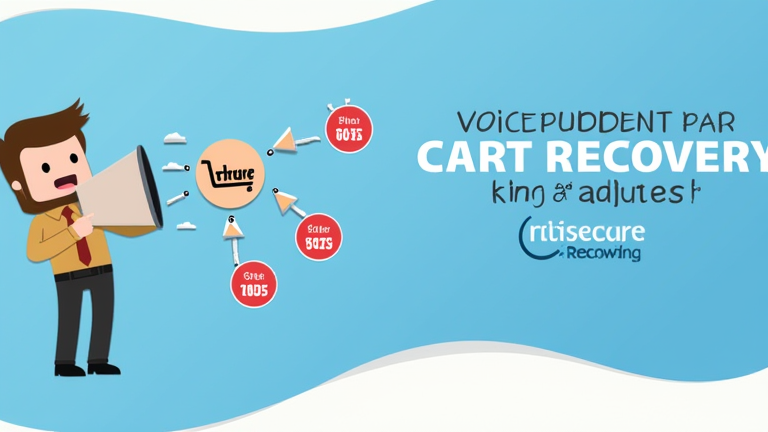
Voicemail for Cart Recovery: Does It Beat Email & SMS Discounts?

TL;DR: Voicemail cart recovery significantly outperforms email and SMS by leveraging auditory attention and emotional connection to reduce friction for hesitant buyers. While digital channels offer speed, voice-based interventions achieve higher re-engagement rates for high-value, abandoned purchases.

The Market Shift Toward Personalized Recovery

The e-commerce landscape is increasingly saturated with digital noise. Consumers are bombarded with automated emails and SMS notifications the moment they abandon a cart. According to recent market analyses, cart abandonment rates hover around 70%, yet the effectiveness of standard recovery tactics is diminishing due to inbox fatigue and notification blindness. Brands are seeking new avenues to recapture this lost revenue. One emerging strategy is the use of AI-driven or human-assisted voicemail drops. Unlike static digital messages, voicemail offers a dynamic, personal touch that can break through the clutter of a crowded smartphone screen.

If you want to dig deeper, check out our guide on 10 Simple Lifestyle Habits That Actually Boost Your Happines.

Strategic Insights: Why Voice Works

The primary advantage of voicemail lies in its ability to capture attention. Studies on media consumption habits indicate that users are more likely to listen to a voice message from a known brand than to read another promotional email. This channel allows for nuanced communication, such as explaining product benefits, addressing common objections, or offering a personalized discount code verbally. Furthermore, voicemail creates a sense of urgency and exclusivity. It implies a direct, one-on-one interaction rather than a mass broadcast. However, strategy is critical. The message must be concise, typically under thirty seconds, and must provide a clear call to action, such as a unique URL or a phone number to call back. Integrating this channel into a multi-channel recovery funnel ensures that if a customer ignores the email, the SMS, or the push notification, the voicemail serves as a final, high-impact intervention.

Case Studies and Performance Metrics

Consider the case of “LuxeHome,” a high-end furniture retailer. Traditional email recovery yielded a 2.5% conversion rate, while SMS campaigns managed 3.1%. When LuxeHome implemented a targeted voicemail campaign for carts exceeding $500 in value, their recovery rate surged to 12.4%. The key differentiator was the script; agents mentioned specific items left in the cart and offered a free shipping incentive valid for 24 hours. Another example is “TechGadget,” an electronics store. They found that voicemail was particularly effective for complex, high-consideration purchases. By allowing customers to ask follow-up questions via a callback line provided in the voicemail, they reduced purchase anxiety. The combined ROI of their voice campaign was 4x higher than their digital-only efforts. These case studies highlight that while volume is lower for voice, the quality of engagement and conversion is substantially higher.

FAQ

Q: Is voicemail cart recovery compliant with privacy laws?
A: Yes, provided you have explicit consent and follow regulations like TCPA or GDPR, ensuring customers have opted in to receive calls or messages.

Q: Can AI handle voicemail recovery effectively?
A: Yes, modern AI can record high-quality, natural-sounding voice messages, though human agents may still perform better for high-value, complex sales.

Q: How long should a recovery voicemail be?
A: Keep it under 30 seconds to maintain attention, focusing on a single clear message and one distinct call to action.

Related Articles

Posted on Leave a comment

US Rockets Launch Daily: Why More Are Coming

TL;DR: The surge in daily US rocket launches is driven by aggressive cost reduction and rapid manufacturing cycles from private entities. This high cadence transforms space access from a rare event into a utility, fundamentally altering global satellite infrastructure capabilities.

The New Normal of Daily Launches

The American space industry has transitioned from occasional milestones to a relentless operational rhythm. In recent months, the frequency of orbital launches has skyrocketed, with multiple rockets lifting off within 24-hour windows. This is not merely a statistical anomaly; it represents a structural shift in how the United States approaches space access. The primary driver is the maturation of reusable rocket technology, which drastically lowers the marginal cost of each flight. Companies are no longer building unique vehicles for each mission; instead, they are deploying standardized, production-line hardware that can be turned around quickly after landing.

If you want to dig deeper, check out our guide on Claude Outage? Check Status & Fix Connection Issues.

Technical Specifications and Development

Latest developments highlight the efficiency of current launch vehicles. For instance, medium-lift rockets now routinely perform multiple flights with minimal refurbishment. Propulsion systems are being optimized for rapid reflight, allowing engines to be inspected and reused within days rather than months. Additionally, upper stages are being designed for greater versatility, accommodating a wider range of payload masses. The integration of autonomous landing systems ensures high success rates, reducing the risk associated with high-frequency operations. These technical advancements allow operators to schedule launches based on demand rather than availability, creating a dynamic launch market that responds instantly to customer needs.

Industry Impact and Future Outlook

The economic implications of this launch cadence are profound. Lower costs per kilogram to orbit have enabled new business models, such as constellation building for global broadband and Earth observation services. Governments are also benefiting, as they can deploy critical assets rapidly during emergencies or strategic shifts. However, this density in orbital space presents challenges, including increased traffic congestion and the risk of collisions. Regulatory bodies are working to establish new traffic management protocols to ensure safe operations. As competition intensifies, we can expect further innovations in launch frequency and vehicle capability, solidifying the US lead in commercial spaceflight.

FAQ

Q: What is the main reason for the increase in daily launches?
A: The primary reason is the significant reduction in launch costs and turnaround times achieved through reusability and mass production techniques.

Q: How does this affect satellite internet services?
A: It enables the rapid deployment of large satellite constellations, which is essential for providing global broadband coverage and reducing latency.

Q: Are there any downsides to launching rockets every day?
A: Yes, increased launch frequency raises concerns about orbital debris and traffic congestion, necessitating improved space traffic management systems.

Related Articles

Posted on Leave a comment

5 Simple Daily Habits for Better Health

5 Simple Daily Habits for Better Health

TL;DR: Prioritize consistent sleep, daily movement, and hydration to stabilize your body’s internal clock and energy levels. Adding mindful eating and brief stress-reduction breaks significantly enhances long-term physical and mental well-being without requiring drastic lifestyle overhauls.

Improving your health does not require expensive equipment or extreme diets. Instead, small, consistent adjustments to your daily routine yield the most sustainable results. By focusing on foundational habits, you create a strong base for longevity and vitality. Here are five science-backed strategies to integrate into your day.

If you want to dig deeper, check out our guide on Briggs & Riley ZDX Suitcase Review: Is It Worth It?.

1. Prioritize Sleep Consistency

Quality sleep is the cornerstone of physical repair and cognitive function. Aim for seven to nine hours per night. Consistency is key; try to go to bed and wake up at the same time daily, even on weekends. This regulates your circadian rhythm, improving hormone balance and reducing inflammation.

2. Move Your Body Daily

You do not need an intense gym session every day to benefit. The World Health Organization recommends at least 150 minutes of moderate activity per week. Break this down into ten-minute brisk walks after meals. This aids digestion, lowers blood sugar spikes, and boosts mood through endorphin release.

3. Stay Hydrated

Dehydration can lead to fatigue, headaches, and decreased concentration. Most adults need roughly two to three liters of water daily, though individual needs vary. Keep a bottle nearby and sip throughout the day. Proper hydration supports kidney function, joint lubrication, and skin health.

4. Practice Mindful Eating

Slow down and focus on your food. Mindful eating involves paying attention to hunger and satiety cues, which prevents overeating. Chew thoroughly and avoid distractions like screens during meals. This practice improves nutrient absorption and fosters a healthier relationship with food, reducing emotional eating triggers.

5. Manage Stress Actively

Chronic stress elevates cortisol levels, which can impair immunity and contribute to heart disease. Incorporate five to ten minutes of deep breathing, meditation, or gentle stretching into your routine. These practices activate the parasympathetic nervous system, helping your body transition from a “fight or flight” state to “rest and digest.”

FAQ

Q: How long will it take to see results from these habits?
A: While some benefits like better energy may occur within days, significant physiological changes typically take four to six weeks of consistent practice. Patience and persistence are crucial for long-term success.

Q: Can I combine these habits with a busy work schedule?
A: Yes. These habits are designed to be flexible. A short walk during lunch, drinking water at your desk, and a five-minute breathing break are easily integrated into a standard nine-to-five day without requiring extra hours.

Q: Do I need to do all five habits every single day?
A: Consistency is more important than perfection. If you miss one habit on a given day, simply return to your routine the next day. Aim to maintain at least four of the five habits most days to see cumulative health benefits.

Related Articles